
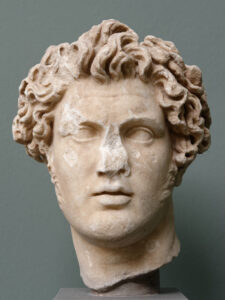
Pyrrhus (~319-272 BC): Famous Greek King Who Fought Rome
By the beginning of the 3rd century BC, Rome had become the dominant power in much of Italy. City after city had fallen under its influence, and the Roman Republic …
By the beginning of the 3rd century BC, Rome had become the dominant power in much of Italy. City after city had fallen under its influence, and the Roman Republic …
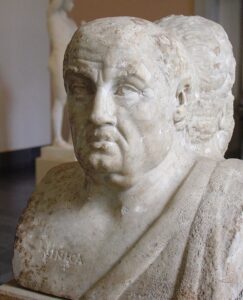
Lucius Annaeus Seneca the Younger (c. 4 BC–AD 65) was one of the most influential intellectuals of Imperial Rome: a Stoic philosopher, statesman, dramatist, essayist, and political adviser who rose …
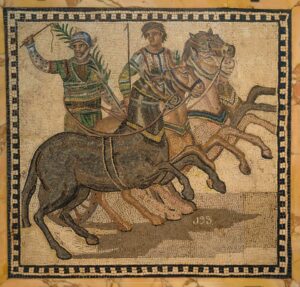
In the final decades of the first century AD, few figures in Rome could command the attention of a crowd like Scorpus. Born around AD 68 and dead by about …
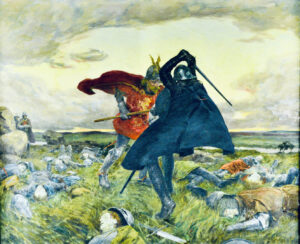
For centuries, King Arthur has stood somewhere between history and legend. The stories describe a great warrior who defended Britain, defeated enemies, and became one of the most famous figures …
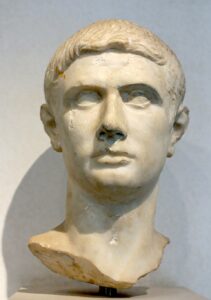
Marcus Junius Brutus is remembered primarily as the Roman senator who joined the conspiracy that assassinated Julius Caesar on the Ides of March in 44 BC. Yet reducing Brutus to …

Publius Cornelius Scipio Africanus was one of the most consequential commanders of the Roman Republic. He defeated Hannibal at Zama in 202 BCE, ended the Second Punic War, destroyed Carthage’s …

Quintus Horatius Flaccus, better known as Horace, was one of the defining literary figures of Augustan Rome. Born in 65 BC and dying in 8 BC, he lived through the …
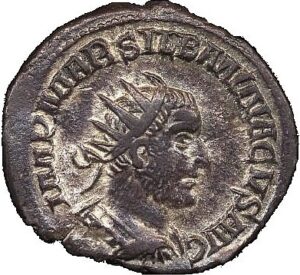
Silbannacus is one of the most obscure figures associated with the Roman Empire. No surviving ancient historian mentions him. No inscription records his name, and no statue preserves his image. …
In 89 BC, a young man entered Rome in chains. He was a captive from Picenum, one of the Italian regions that had rebelled against Rome during the Social War. …

On 24 August AD 410, something happened that had seemed almost impossible for centuries. The gates of Rome opened to a Gothic army. For centuries, Rome had not been captured …
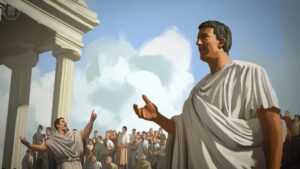
You look at Rome and ask how one city gained control over much of the known world so fast. You focus on power, rules, and the people who shaped them. …
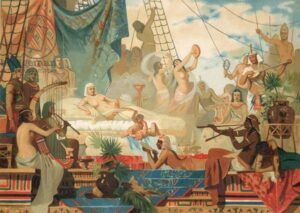
History is often decided by moments so pivotal that a single victory or defeat can shape the destiny of empires. One of the most famous turning points in ancient history …
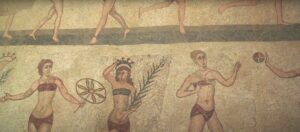
Female gladiators in ancient Rome challenged the expectations of their society. Though often dismissed as myth, written accounts, carvings, and burial evidence show that some women did take part in arena …

In the dying days of the Roman Republic, as civil wars tore the state apart and the old values decayed under the weight of ambition and greed, one voice rose …