
At the height of its power, ancient Rome was more than a military superpower. It was an enormous economic and administrative machine, supported by an interconnected network of ports, roads, aqueducts, public facilities, and professional soldiers. Sustaining a capital with more than one million inhabitants required an extraordinary level of engineering, logistical coordination, and political organization.
Rome’s expansion created an increasingly complicated challenge: how could a single city continuously feed, supply, and protect such a massive population? The answer was a combination of ambitious infrastructure projects and institutional reforms that transformed the Roman Republic into one of the most formidable civilizations of the ancient world.
Portus: The Mega Harbor That Fed Rome
By the first century CE, Rome depended heavily on imported commodities. Grain arrived from Egypt and North Africa, olive oil came from Hispania, and wine was transported from Gaul and Greece. Timber, marble, metals, glass, leather, and countless other materials also flowed into the capital.
The existing harbor facilities at Ostia struggled to accommodate the growing volume of maritime traffic. Emperor Claudius therefore initiated construction of a major artificial harbor approximately 25 kilometers from Rome in 42 CE.
Known as Portus, this enormous maritime complex became one of the most ambitious infrastructure projects of the Roman Empire. Its original harbor was protected by massive moles and featured a lighthouse, while subsequent construction under Emperor Trajan expanded the complex with a remarkable hexagonal basin.
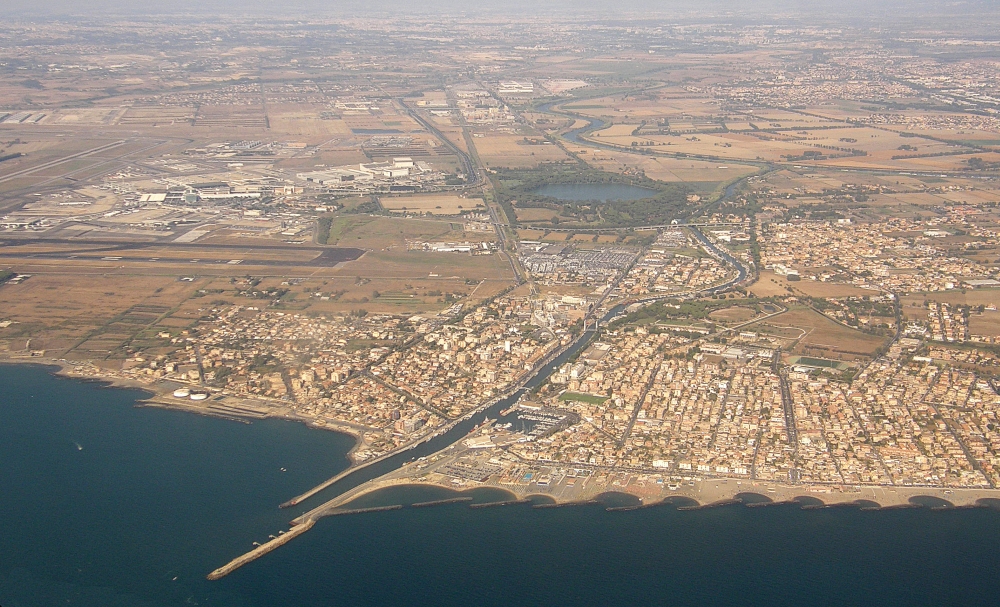
Built using Roman hydraulic concrete, the hexagonal harbor provided sheltered docking facilities and improved the handling of commercial shipping. Its geometric design maximized usable waterfront space while connecting the harbor to extensive warehouse and transportation facilities.
Portus was not simply a place for ships to unload cargo. It was a carefully engineered gateway connecting Rome to the commercial resources of the Mediterranean world.
Ostia: The Commercial Engine Behind the Capital
Portus solved much of Rome’s maritime access problem, but transporting imported goods from the harbor to the capital required another extensive logistical network.
Nearby Ostia developed into a major commercial center dedicated to supporting Rome’s supply system. At its height, the port city accommodated approximately 30,000 inhabitants, including merchants, shipowners, customs officials, warehouse operators, and dockworkers.
Archaeological evidence reveals the sophisticated commercial organization behind this economy. Mosaics in the Piazzale delle Corporazioni, or Square of the Corporations, depict ships, grain, elephants, and other trading symbols associated with different commercial activities.
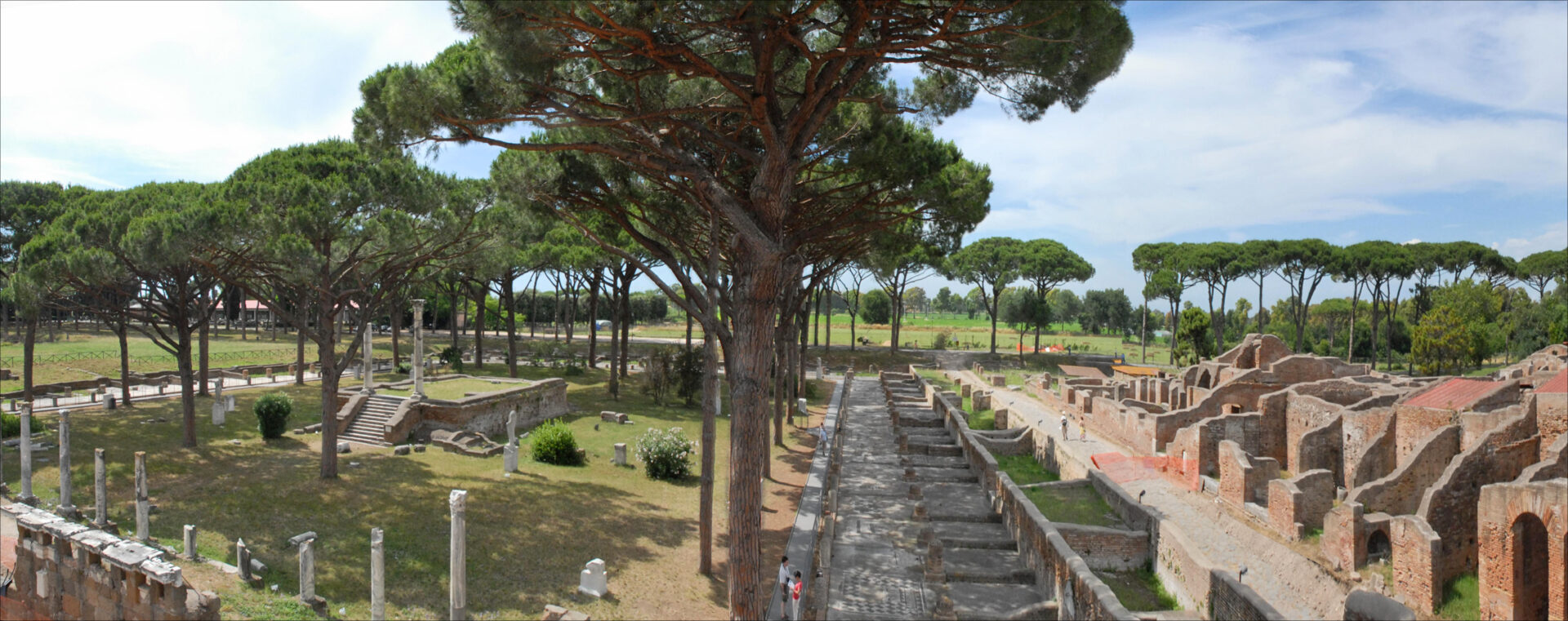
These provide valuable evidence of the international character of Roman trade. Grain shipments sustained the capital’s population, while imported luxury goods and construction materials supported its expanding economy.
Warehouses, river transport, merchant associations, and administrative facilities connected Ostia with Rome through the Tiber. Together, Portus and Ostia formed a logistical system capable of handling enormous quantities of imported commodities.
Roman Aqueducts: Engineering Water for a Million People
Food was only one part of Rome’s growing infrastructure requirements. Its expanding population also needed reliable access to fresh water.
In 312 BCE, the Romans began constructing the Aqua Appia, their first aqueduct. Traditionally associated with the censor Appius Claudius Caecus, this project established the foundation for an increasingly sophisticated water-supply network.
Over the following centuries, Rome developed 11 major aqueducts, extending approximately 500 kilometers in total when their routes are combined. Their channels transported millions of liters of water daily from distant springs, rivers, and reservoirs into the capital.
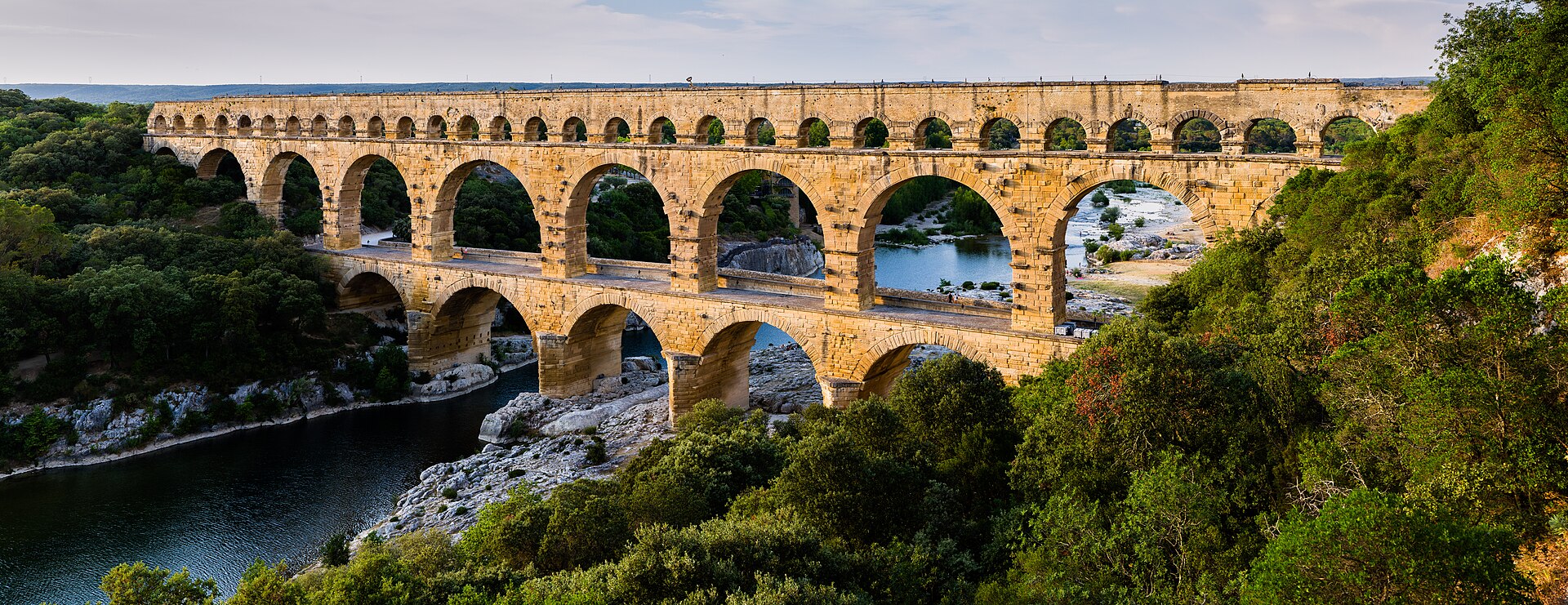
The engineering principle was deceptively simple but technically demanding. Aqueduct channels followed carefully calculated gradients, allowing gravity to move water continuously without mechanical pumping.
Roman engineers used surveying instruments, masonry channels, tunnels, bridges, and elevated arcades to navigate difficult terrain. Contrary to popular assumptions, much of an aqueduct’s length ran underground or along natural contours rather than across monumental arches.
These systems supplied public fountains, private residences, baths, workshops, and industrial facilities. Their reliability supported population growth and helped establish Rome’s reputation for exceptional urban engineering.
Public Baths: Infrastructure and the Social Life of Rome
The availability of abundant water also enabled the development of enormous public bathing complexes.
Roman baths were far more than facilities for personal hygiene. They functioned as social institutions where citizens exercised, conducted business, discussed politics, relaxed, and participated in everyday urban culture.
The Baths of Caracalla, constructed during the reign of Emperor Caracalla and inaugurated around 216 CE, demonstrate the extraordinary scale of these establishments.
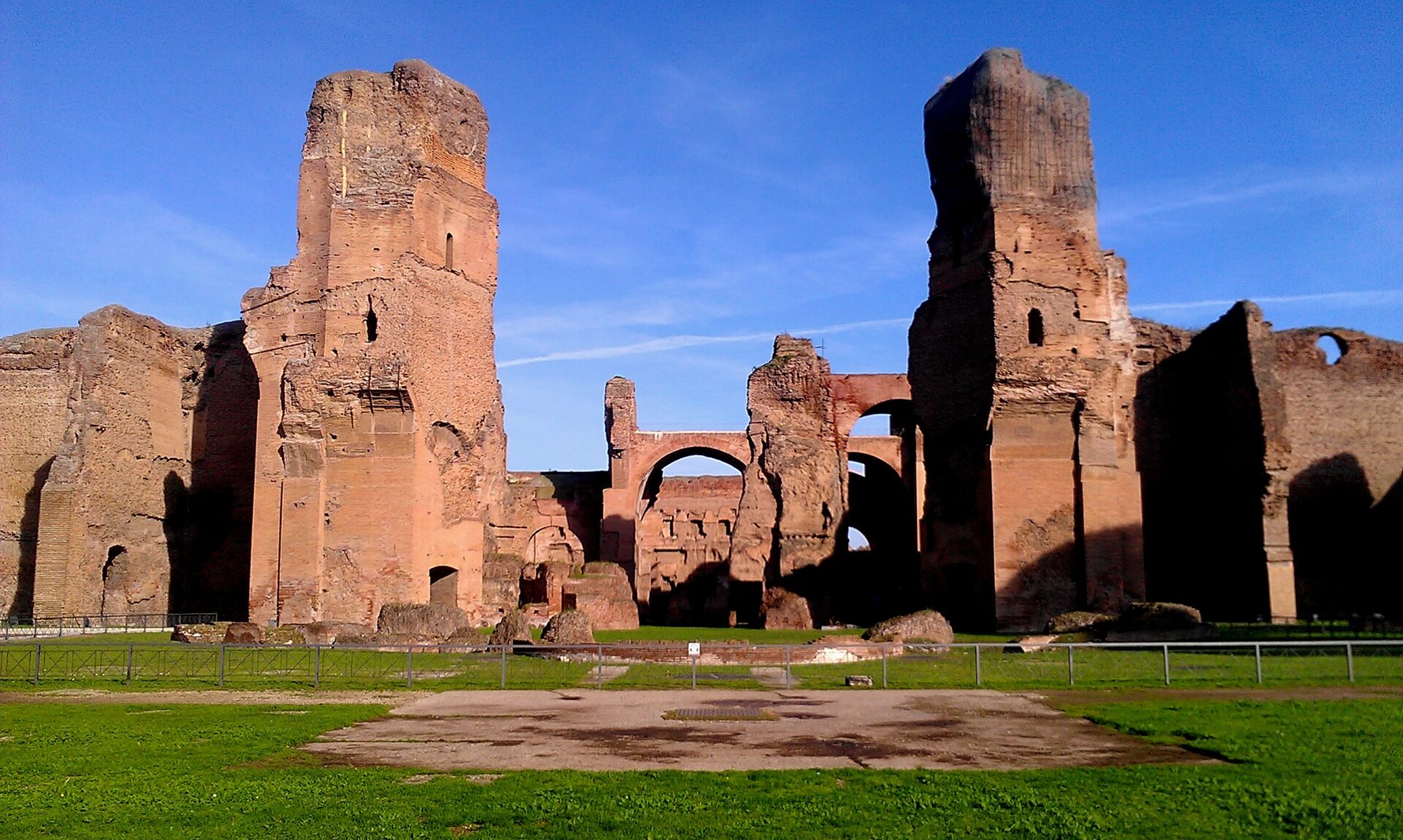
The complex incorporated enormous bathing halls, a swimming pool, gymnasiums, gardens, libraries, and spaces for social interaction. Its architectural decoration included elaborate marble surfaces, granite columns, mosaics, and monumental sculpture.
Roman engineers also developed sophisticated heating systems. The hypocaust circulated hot air beneath raised floors and through wall cavities, allowing different rooms to maintain different temperatures.
Bath complexes required substantial quantities of water, fuel, labor, and maintenance. Their construction demonstrated how Roman emperors used public infrastructure to communicate imperial generosity, reinforce political legitimacy, and create a shared urban identity.
The Professionalization of the Roman Army
While infrastructure sustained Rome economically, military organization enabled its expansion and territorial defense.
During the early Republic, Roman military service was closely associated with property ownership. Soldiers generally supplied their own equipment, meaning that military participation placed considerable financial demands on citizens.
As Rome expanded, this system became increasingly inadequate. The growing state needed a larger, more dependable military force capable of maintaining prolonged campaigns and defending distant territories.
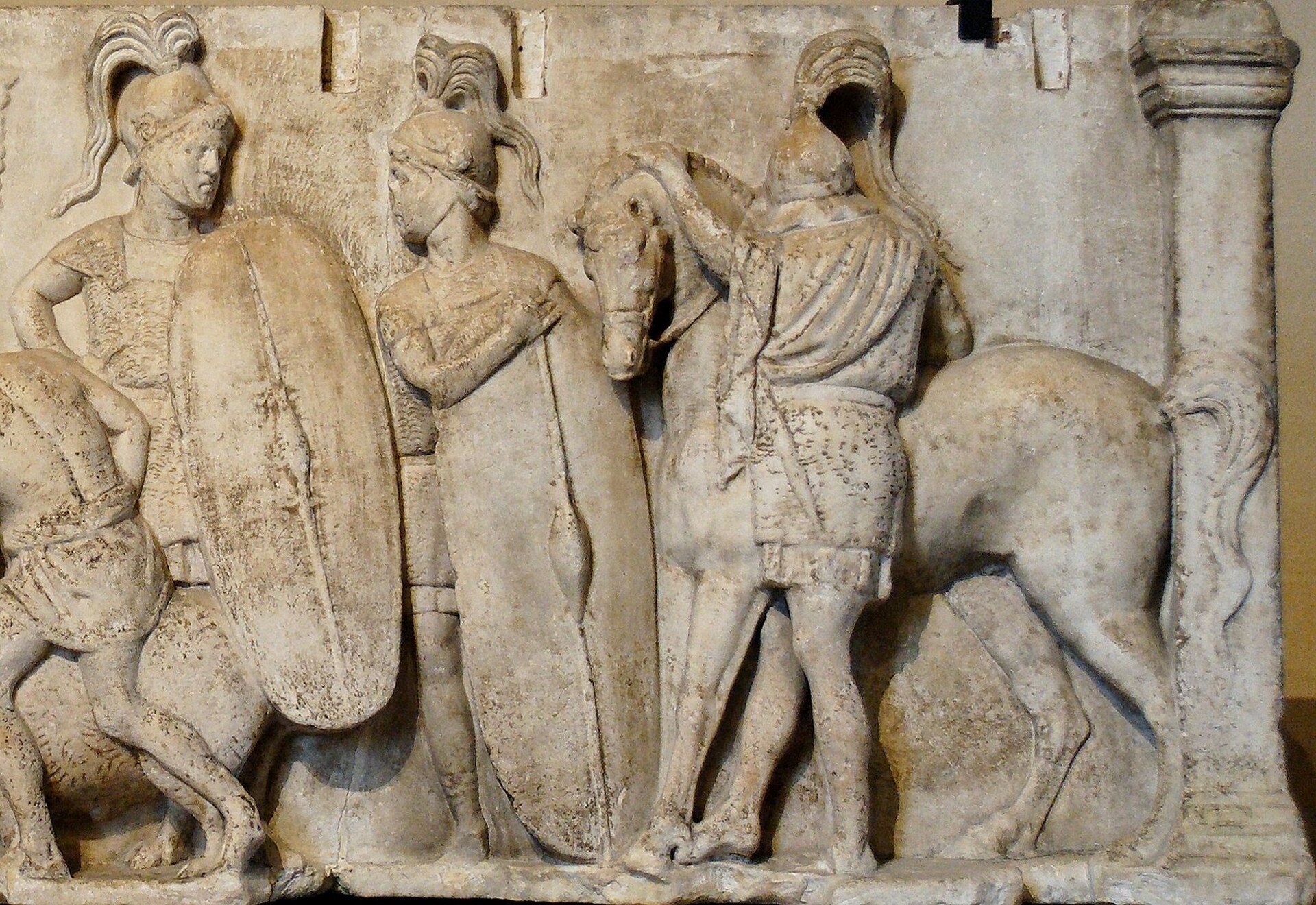
The reforms traditionally associated with Gaius Marius around 107 BCE helped accelerate this transformation. Recruitment became more accessible to poorer citizens, while soldiers increasingly received state-provided equipment and opportunities for long-term service.
Military service developed into a more professional institution, with regular pay, structured training, and greater continuity between campaigns.
Standardized equipment, including helmets, mail armor, swords, spears, and the distinctive rectangular scutum shield, helped create a recognizable and disciplined fighting force.
The scutum offered substantial protection, particularly when soldiers coordinated their movements. Combined with the gladius, the Roman short sword, it became an important component of Roman infantry tactics.
The Legion: Organization Behind Roman Military Power
Roman military strength depended on more than weapons and individual bravery. Its greatest advantage was the ability to organize large numbers of soldiers into coordinated formations.
During the imperial period, the legion typically consisted of approximately 5,000 soldiers, although its actual strength varied. It was organized into ten cohorts, with the first cohort generally larger than the others.
Each cohort contained centuries commanded by centurions. A typical century during the imperial period consisted of approximately 80 soldiers, rather than the 100 suggested by its historical name.
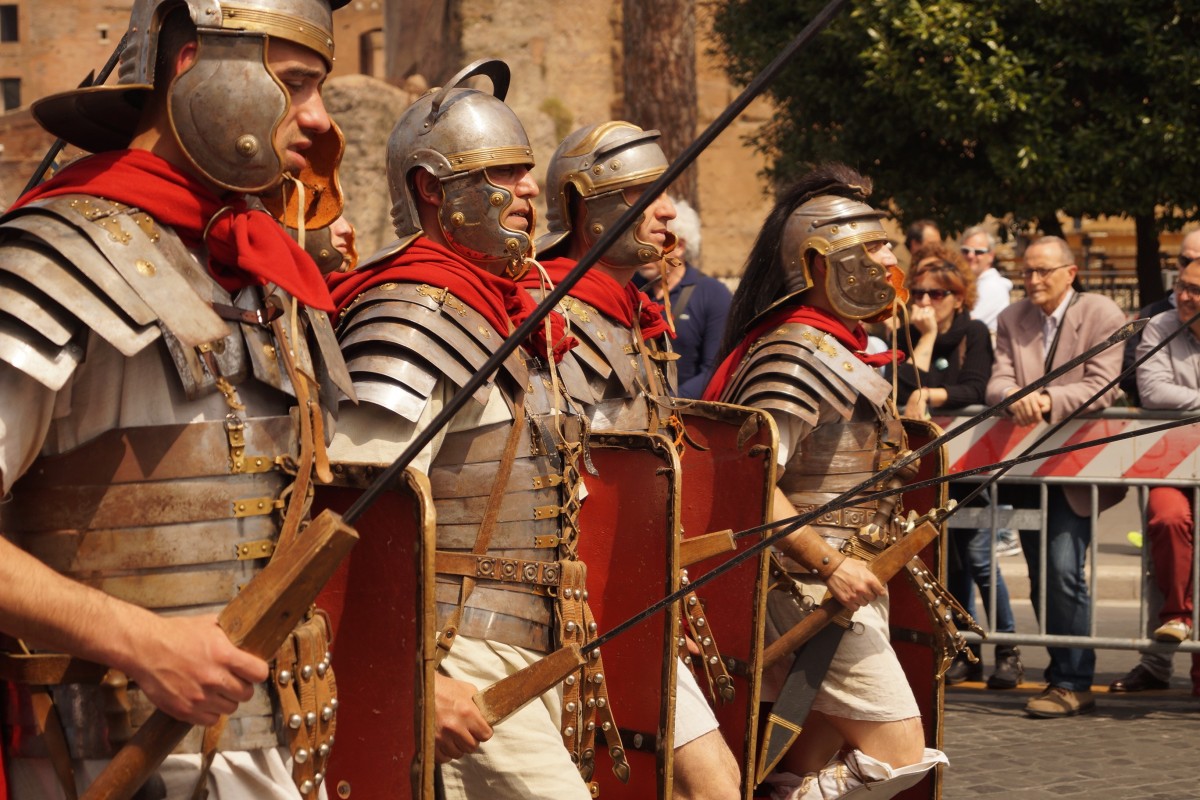
This hierarchical structure allowed commanders to coordinate complex battlefield movements while maintaining discipline throughout the formation.
Roman soldiers also practiced specialized defensive formations. The famous testudo, or tortoise formation, involved overlapping shields to protect troops against incoming projectiles. It was particularly useful during sieges and exposed advances, although it was not a universal battlefield formation.
Other tactical methods emphasized controlled rotations, reserves, and coordinated advances, allowing units to maintain pressure while exhausted or injured soldiers withdrew from the front.
Such discipline transformed the legion into a highly adaptable military organization capable of operating across vastly different environments.
Foreign Recruitment: The Strength and Weakness of Imperial Expansion
As Roman territory expanded, its military increasingly incorporated soldiers recruited from outside Italy.
Provincial communities provided manpower, while auxiliary formations recruited from different regions of the empire supplied specialized cavalry, archers, and infantry.
Military service offered pay, opportunities for advancement, and, for many auxiliary soldiers, Roman citizenship upon honorable discharge.
This recruitment system helped integrate diverse populations into the imperial military structure. Soldiers from Gaul, Hispania, North Africa, and other provinces could serve under Roman standards while retaining elements of their regional identities.
However, the system also created political and military complications. Rome increasingly depended on commanders and soldiers whose loyalties could become entangled with regional interests and imperial rivalries.
The relationship between military power and political authority became particularly unstable during the third century CE, when civil wars, economic disruption, and external invasions weakened imperial control.
The Aurelian Walls: When Rome Had to Defend Itself
For centuries, Rome’s position as the center of a powerful territorial state meant that the capital itself had relatively little need for extensive defensive fortifications.
That changed dramatically during the third century CE.
Following repeated military crises and invasions, Emperor Aurelian ordered the construction of a massive defensive circuit around Rome in approximately 271 CE.
Completed and subsequently modified under his successors, the Aurelian Walls extended roughly 19 kilometers around the city.
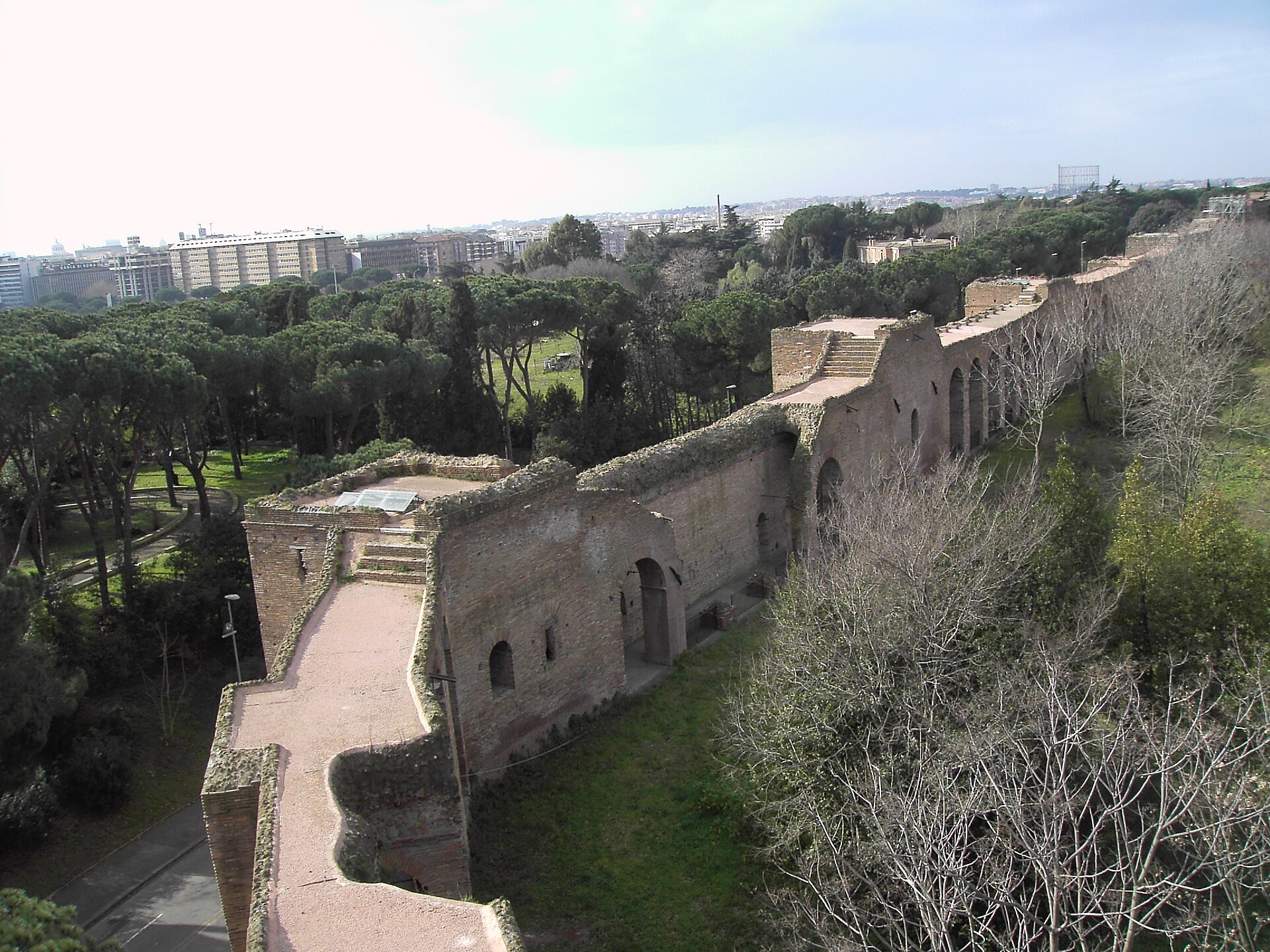
Standing originally about 8 meters high in many sections, with substantial defensive towers and fortified gates, the walls incorporated existing buildings and monuments into their construction.
The use of reused architectural materials reflected the urgency and practicality of the project. Structures that had once represented Rome’s prosperity were dismantled or incorporated into the city’s new defenses.
The fortifications marked a fundamental change in Rome’s strategic position. The capital could no longer rely exclusively on distant legions to protect it from external threats.
The Sack of Rome in 410 CE: The Collapse of an Imperial Myth
Despite its formidable defenses, Rome eventually faced an enemy capable of exploiting its political and economic vulnerabilities.
In 408 CE, the Visigoths under Alaric besieged the city. Negotiations, political instability, and shortages placed enormous pressure on Rome’s population.
After repeated confrontations, the Visigoths entered the city on August 24, 410 CE. They looted Rome for three days, an event that shocked the Roman world.
The sack was especially significant because Rome had not experienced a successful capture by a foreign enemy for approximately eight centuries.
However, 410 did not mark the immediate end of the Western Roman Empire. The imperial government continued to function, and the western imperial court remained active for several decades before the final deposition of Romulus Augustulus in 476 CE.
Nevertheless, the sack shattered the longstanding perception that Rome was an inviolable city.
The Infrastructure Behind Rome’s Greatness
Rome’s success was never dependent on military conquest alone. Its ability to sustain an enormous population, transport resources across the Mediterranean, provide reliable water supplies, and maintain a disciplined professional army was equally important.
Portus and Ostia connected the capital to international trade. Aqueducts and public baths demonstrated the sophistication of Roman hydraulic engineering. Military reforms and standardized organization allowed Rome to control territories extending across three continents.
These systems were interconnected. Trade supplied the resources needed to maintain cities and armies, infrastructure supported population growth, and military organization protected the commercial networks that sustained imperial wealth.
Ultimately, Rome’s greatest achievement was not simply conquering territory. It was developing the engineering capabilities, administrative institutions, and logistical systems required to govern an enormous and diverse empire. Its eventual decline demonstrated that even the most sophisticated infrastructure and military organization could not indefinitely compensate for political instability, economic pressures, and the challenges of defending an increasingly fragmented state.
