
Slavery was not a marginal institution in ancient Rome. It was deeply embedded in Roman agriculture, households, commerce, mining, manufacturing, public administration, and entertainment. Enslaved people were legally treated as property, yet their actual experiences varied enormously according to their owner’s wealth, their occupation, their skills, their sex, their location, and the period in which they lived.
There was no single Roman slave experience. A highly educated Greek slave employed as a tutor could live very differently from an enslaved agricultural laborer chained to a rural work gang or a person condemned to the mines. What united them was their lack of personal freedom and their subordination to another person’s authority.
Slavery Was Fundamental to Roman Society
Roman slavery expanded dramatically alongside Rome’s territorial conquests. Prisoners of war were among the most important sources of enslaved labor, while piracy, slave trading, kidnapping, and birth to an enslaved mother also contributed to the supply. Rome enslaved people from across the Mediterranean world, including Greece, Gaul, North Africa, Egypt, and Asia Minor. Slavery was therefore not organized primarily around a racial distinction in the modern sense. Enslaved people could come from many different ethnic and cultural backgrounds.
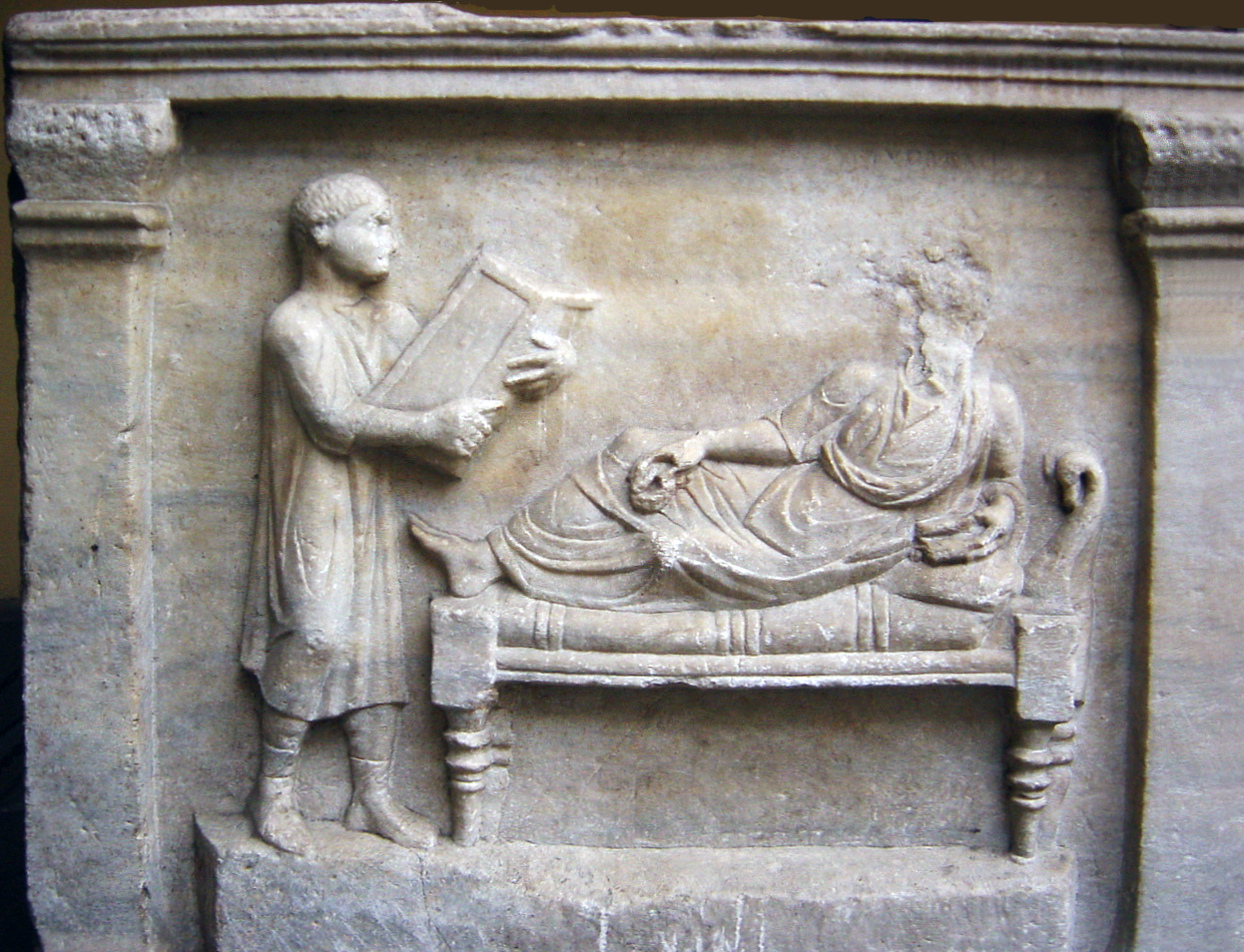
The scale was enormous, although precise figures remain uncertain. Some estimates suggest that enslaved people constituted roughly one-third of Italy’s population during certain periods and perhaps around one-fifth of the population of the wider Roman Empire. These figures should be treated as estimates rather than precise censuses.
For wealthy Romans, slaves were both labor and property. An aristocratic household could contain dozens or even hundreds of enslaved people, while smaller households might possess only one or two.
What Jobs Did Roman Slaves Perform?
Enslaved labor reached virtually every sector of Roman society.
On agricultural estates, slaves cultivated grain, olives and grapes, tended livestock, repaired equipment, baked bread, worked as blacksmiths and performed domestic duties. Agricultural labor could be particularly severe. Large estates sometimes housed enslaved workers in barrack-like quarters, and archaeological evidence from sites such as Pompeii indicates that some agricultural laborers endured extreme physical stress, malnutrition and confinement.
Urban slaves could have very different responsibilities. Some worked as cooks, cleaners, waiters, personal attendants or craftsmen. Others possessed valuable specialist skills and worked as accountants, tutors, physicians, musicians, copyists or business managers. Literacy and education could therefore increase an enslaved person’s economic value without changing their fundamental legal status.

The Roman state also employed enslaved people. They could perform maintenance, administrative and other public duties, while some were assigned particularly unpleasant occupations, including execution-related work.
Mining was among the most dangerous forms of enslaved labor. Gold, silver and other mineral extraction required exhausting physical work under hazardous conditions, and people sent to the mines generally faced little prospect of an ordinary life or eventual freedom.
The Law Treated Slaves as Property
The central fact of Roman slavery was legal ownership.
An enslaved person was subject to dominium, the master’s authority over property. Roman law did not recognize a slave as an independent citizen with the normal legal rights of a free Roman. The master’s authority was extensive, although Roman law and custom evolved over time and placed some restrictions on owners.
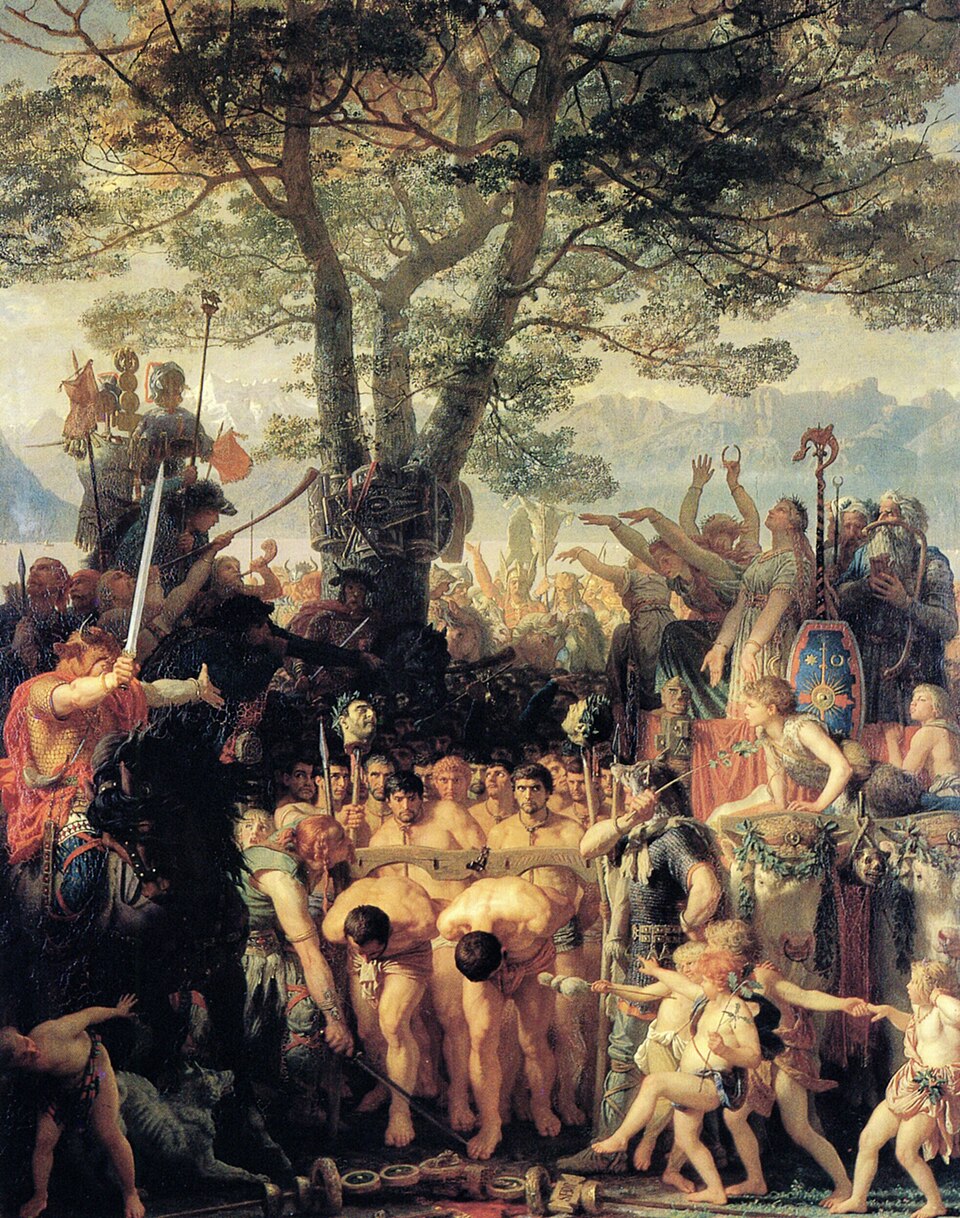
This legal status created an extraordinary contradiction. A slave could be highly educated, manage money, conduct business, teach children or administer an estate, yet still legally belong to another person.
The consequences of disobedience could be severe. Physical punishment included beatings, shackling and confinement. Runaway slaves could face branding and other penalties. In particularly severe circumstances, execution was possible. The precise powers available to masters changed over time, and Roman authorities did eventually impose restrictions on extreme forms of private violence, but an enslaved person’s vulnerability remained fundamental to the institution.
Food, Clothing and Living Conditions
Living standards depended heavily on occupation and the master’s resources.
Cato the Elder’s agricultural writings provide an unusually detailed glimpse into the provisions expected for rural laborers. Rations could include grain for bread, wine and olives, with quantities adjusted according to the season and workload.
These provisions were not evidence of comfortable living. Food was a means of sustaining a labor force.
Domestic slaves could live inside the owner’s residence, sometimes sleeping near the rooms where their services were required. Rural workers were more commonly housed separately, sometimes in collective quarters near agricultural facilities.
Clothing was similarly basic. Enslaved people generally wore simple garments rather than the clothing associated with higher-status Roman citizens. Male slaves did not ordinarily wear the toga, while female slaves were excluded from the stola, a garment associated with respectable freeborn women.
Seneca reports a revealing debate over whether slaves should be given distinctive clothing. The proposal was ultimately rejected because it could have made the enormous size of the enslaved population more apparent. Whether every detail of this episode should be taken literally, the story reflects an important Roman anxiety: the sheer number of enslaved people and the possibility of collective resistance.
Could a Roman Slave Buy Freedom?
Unlike some systems of hereditary slavery, Roman slavery contained a recognized legal path to freedom: manumission.
A master could free a slave, including through provisions made in a will. Enslaved people could also accumulate peculium, a fund or property placed under their control, even though the law ultimately regarded it as belonging to the master. In some circumstances, a slave could use accumulated wealth to secure freedom.
Manumission did not simply erase the past.
A freed slave became a libertus or liberta and entered Roman society with a different legal position from a freeborn citizen. Freedmen could become citizens under Roman law, but they remained connected to their former owners through the institution of patronage. Their children, however, enjoyed a substantially different status and could possess the full rights of Roman citizens.
The restrictions also changed over time. Under the Augustan legislation, particularly the Lex Aelia Sentia of 4 CE, restrictions were placed on certain forms of manumission, including restrictions involving slaves under the age of 30. The source’s simple statement that all slaves under 30 could not be freed therefore needs qualification: Roman manumission law was considerably more complicated.
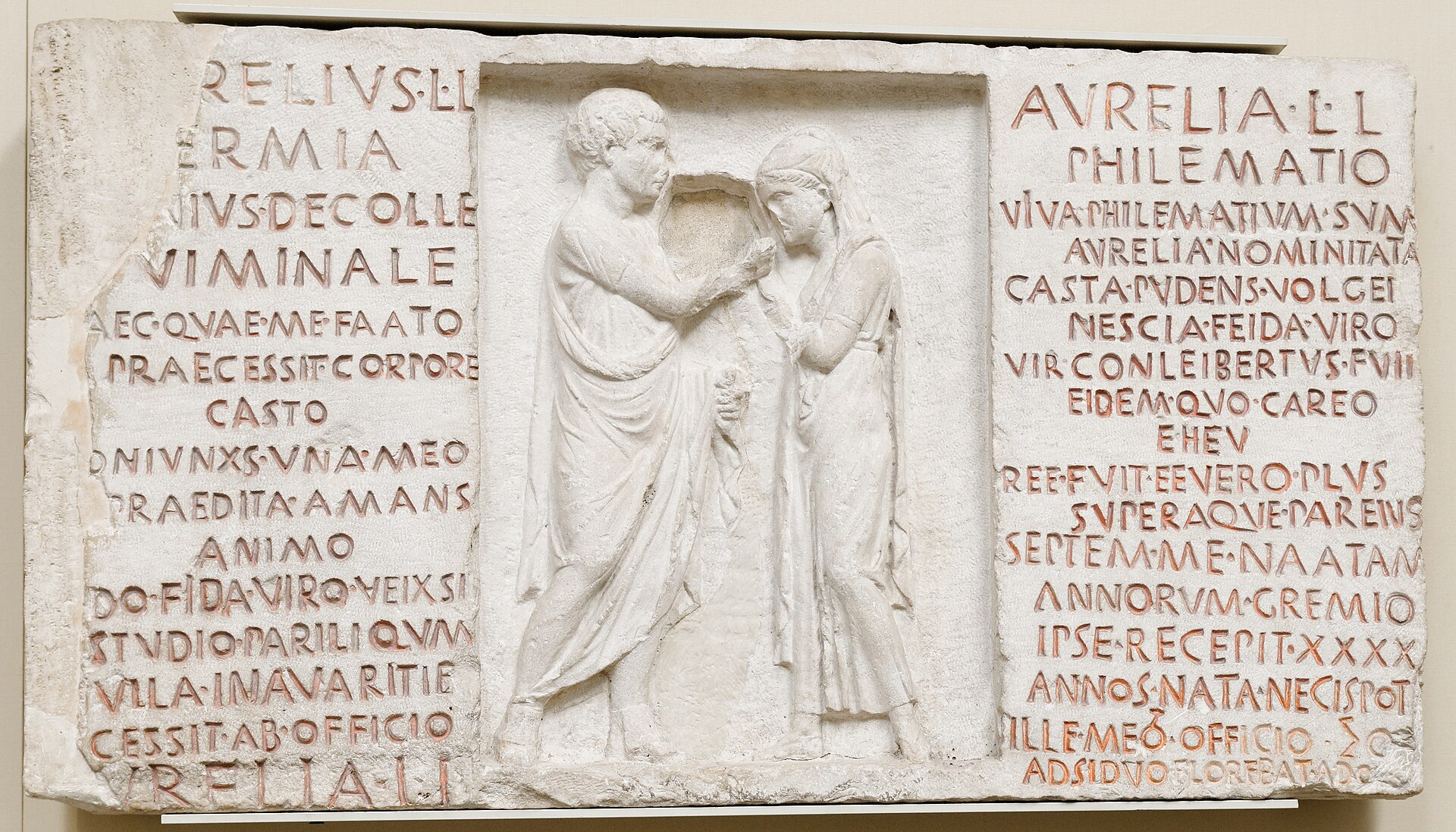
For some slaves, however, the possibility of freedom was an important incentive. A master could benefit from an enslaved person’s productivity while allowing the prospect of eventual manumission to encourage loyalty and economic performance.
Women Faced Additional Vulnerabilities
Enslaved women worked throughout Roman society.
Some performed agricultural labor and domestic work, while others served elite households as attendants, hairdressers, cosmetic assistants, wet nurses and child carers. Their proximity to wealthy households could provide access to comparatively skilled work, but it also exposed them to forms of exploitation that male slaves did not necessarily experience in the same way.
Sexual exploitation was a persistent vulnerability. An enslaved woman could not exercise the same legal autonomy over her body as a free Roman woman. Sexual access to enslaved people was embedded within the broader power relationship between owners and the enslaved.
The existence of highly privileged household positions should therefore not be confused with freedom. An enslaved person could receive better food, clothing or accommodation and still remain legally owned.
Gladiators Were Enslaved Entertainers
The arena represents one of the most famous manifestations of Roman slavery, but the popular image of gladiators needs some qualification.
Gladiators came from several backgrounds. Many were enslaved people, prisoners of war or condemned criminals, but some free men also voluntarily entered gladiatorial service.
Gladiatorial schools were highly controlled environments. Trainees received specialized weapons training, food and medical attention because gladiators represented valuable investments to their owners and trainers. Contrary to modern cinematic portrayals, gladiators were not simply thrown into every fight with the expectation that they would immediately die. Their survival and continued ability to fight had economic value.
One of the most famous gladiators was Spartacus, a Thracian who became the leader of the revolt that began in 73 BCE.
Spartacus and the Fear of Slave Revolt
The rebellion associated with Spartacus became one of Rome’s most serious slave uprisings.
Spartacus escaped from a gladiatorial school at Capua with a group of fellow gladiators. The rebellion rapidly expanded as other enslaved people joined the movement. Ancient sources give different figures for the size of the rebel force, making modern claims of a precise 70,000-man army difficult to establish. Estimates in the ancient tradition range considerably higher.
Between 73 and 71 BCE, the rebels defeated several Roman forces before the uprising was ultimately crushed by Marcus Licinius Crassus. Spartacus died during the final campaign. Thousands of captured rebels were subsequently crucified along the Appian Way, providing Rome with a deliberately brutal warning against further rebellion.
Spartacus was not the first major slave rebel in Roman history. Earlier uprisings, particularly the First and Second Servile Wars in Sicily, had already demonstrated the danger posed by large concentrations of enslaved workers.
The significance of Spartacus was therefore not simply that one slave challenged Rome. His revolt demonstrated how quickly a local escape could develop into a military crisis when large numbers of enslaved people saw an opportunity to resist.
Roman Intellectuals Recognized the Humanity of Slaves
Roman society did not have a single opinion about slavery.
The institution itself was widely accepted, but some Roman philosophers criticized the cruelty with which masters treated enslaved people.
The Stoic philosopher Seneca the Younger argued that slaves possessed the same fundamental human nature as their masters and urged owners to treat them with greater humanity. Epictetus, himself formerly enslaved, became one of antiquity’s most influential Stoic philosophers.
These arguments did not amount to a modern abolitionist movement. Neither Seneca nor the Stoic tradition demanded the immediate destruction of Roman slavery as an institution. Instead, they emphasized moral obligations between human beings and condemned unnecessary cruelty.
That distinction matters. Roman society could recognize the humanity of enslaved people while simultaneously maintaining a system that legally deprived them of freedom.
Roman Slavery Was Brutal—but Not Uniform
The greatest mistake in describing Roman slavery is to imagine a single experience.
A mine worker, an agricultural laborer, a domestic servant, a highly educated tutor and a skilled artisan could all technically be slaves while living radically different lives.
Some were worked under brutal conditions and died young. Others accumulated wealth, developed professional skills and eventually purchased their freedom. Some became trusted household managers. A few achieved remarkable social and economic success after manumission.
None of these exceptions changes the fundamental nature of the institution.
The possibility of a better life existed precisely because Roman slavery was flexible enough to exploit different forms of labor. Education, skill and loyalty could increase an enslaved person’s value and improve their prospects without giving them freedom.
The Legacy of Roman Slavery
Slavery did not end with the fall of the Western Roman Empire in 476 CE. Enslavement continued in the Mediterranean and European worlds for centuries afterward, including within the Byzantine Empire and successor societies. The disappearance of the Western imperial government therefore should not be treated as the end of Roman slavery.
What did change over time were the sources of slaves, the economic importance of slavery, legal regulations and the organization of labor.
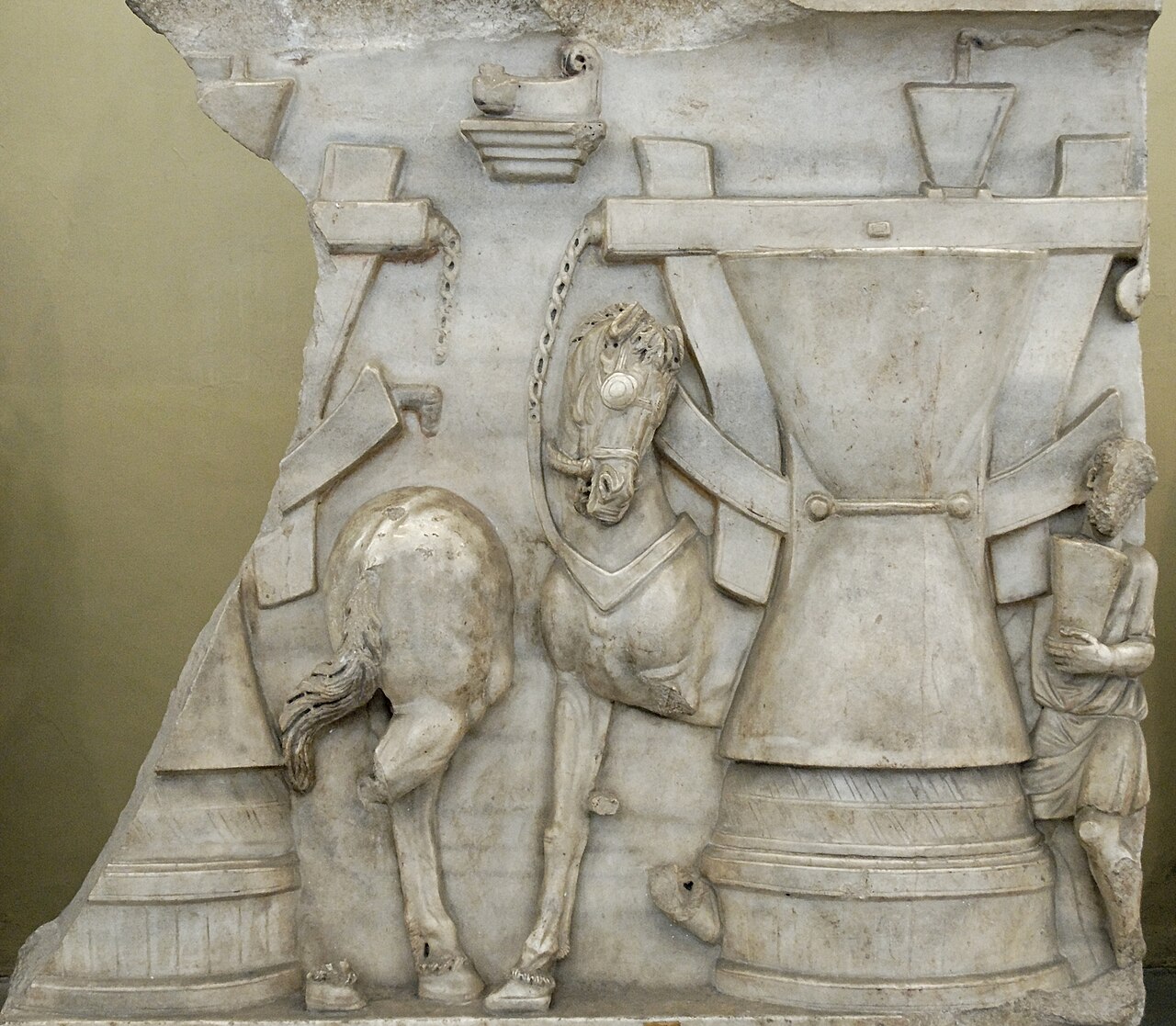
Roman civilization nevertheless provides one of history’s clearest examples of a society in which forced labor was integrated into everyday economic and social life. Enslaved people cultivated food, extracted minerals, manufactured goods, managed businesses, educated children, maintained elite households and entertained enormous crowds.
Their labor helped sustain the wealth and leisure of the free population.
That is the essential reality of Roman slavery. It was not merely an institution that existed at the margins of Roman civilization. It was woven into the civilization itself.
