
In ancient Rome, slavery was a legally entrenched institution, but Roman law also developed formal mechanisms through which an enslaved person could become free. The most important of these was manumission, from the Latin manumissio, literally meaning “release from the hand.” It was the legal process by which an enslaved person was released from the ownership of a dominus and, depending on the method and period, could enter Roman society as a libertus—a freed person.
Manumission was not simply an act of personal generosity. It was a carefully regulated legal institution that connected slavery, citizenship, property, labor, inheritance, and social relationships. Its operation also changed considerably over the centuries, particularly under Augustus, when the Roman state placed new restrictions on the ability of masters to free slaves.
What Was Manumission?
Under Roman law, an enslaved person was legally the property of another person. A slave could work in agriculture, domestic service, manufacturing, commerce, administration, or highly skilled professions, but possessed no independent legal personality equivalent to that of a free Roman citizen.
Manumission changed that status.
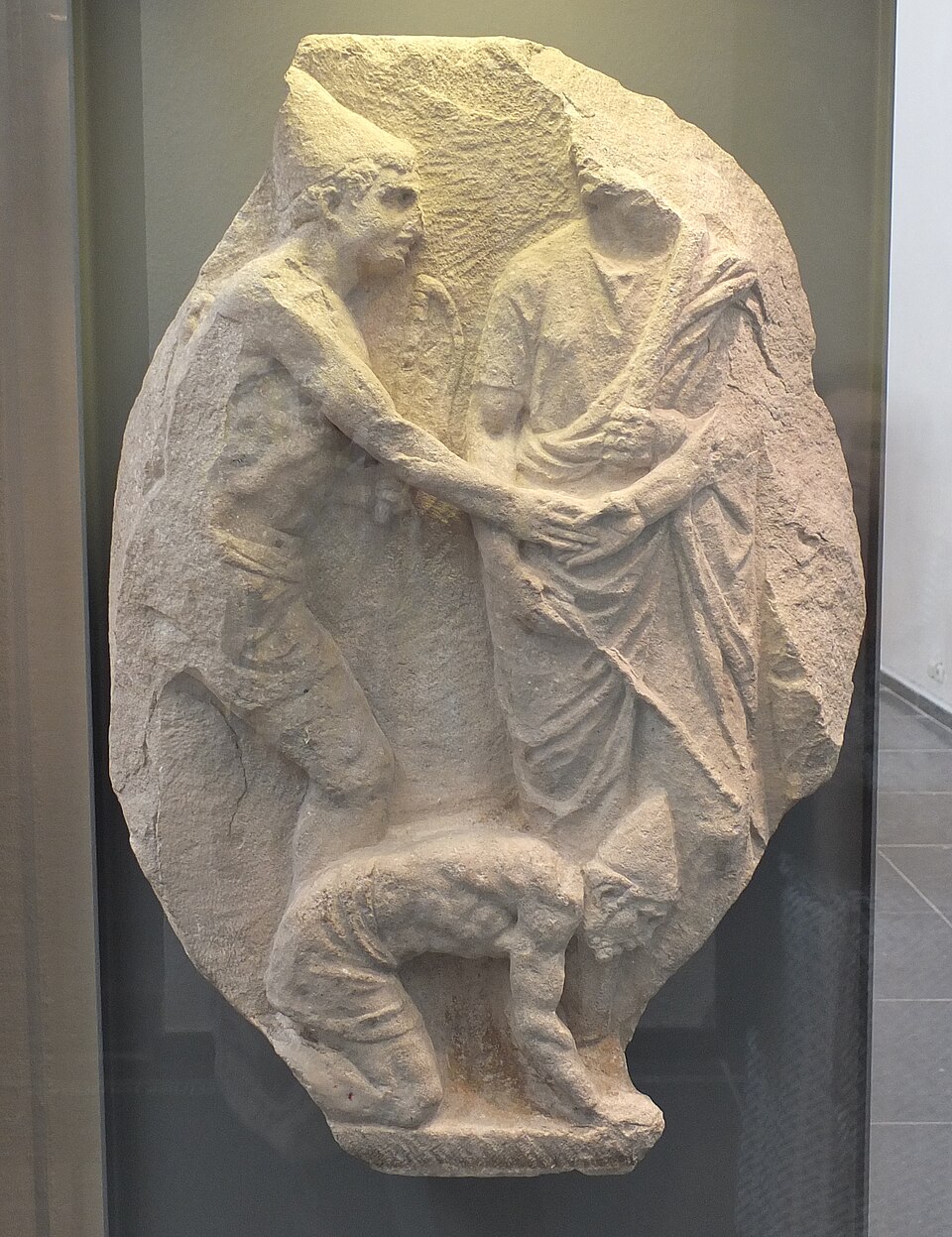
The freed person became a libertus or liberta, while the former master became the freedperson’s patronus or patrona. This meant that freedom did not necessarily sever the social and economic relationship between the two individuals. Freedpeople could acquire property, conduct business, marry and participate in economic life, but they remained bound to their former masters through legally recognized obligations.
This distinction is important because Roman manumission should not be understood as equivalent to modern concepts of emancipation. Freedom removed the person’s status as property, but it did not erase every obligation created by slavery.
Manumissio Vindicta: Freedom Before a Magistrate
One of the principal formal methods was manumissio vindicta, usually translated as manumission by the rod.
The ceremony originated in the older Roman legal procedure known as in iure cessio. The slave, the master and an individual acting as an assertor of liberty (adsertor libertatis) appeared before a competent magistrate. In later practice, a magistrate’s lictor could perform the role of the assertor.
The symbolic rod, known as the vindicta, was placed against the slave as part of the formal claim that the person was free. The master did not contest the claim, and the magistrate confirmed the slave’s liberty.
The important point is that this was not merely a master announcing, “You are free.” It was a public legal act involving Roman authority.
During the Republic and early Empire, vindicta became an important means of obtaining formal freedom during a master’s lifetime. Over time, the ceremony became less elaborate, but the legal concept survived into later Roman law.
Manumissio Censu: Freedom Through the Census
A second ancient method was manumissio censu, or manumission through the census.
During the Roman census, the master could authorize the slave to be entered among the Roman citizen population. Enrollment by the censor therefore transformed the slave’s legal status.
The procedure was inherently connected to the political organization of Republican Rome because the census was not simply a population count. It registered citizens and their property and helped determine their position within the Roman state.
However, this method had an obvious practical limitation: the census was conducted periodically rather than continuously. Consequently, manumissio censu was never as convenient as other methods and eventually disappeared as the traditional census system itself ceased to operate.
Thus, while the census was one of the classic forms of Roman manumission, it should not be portrayed as a normal procedure available to slaves at any moment throughout Roman history.
Manumissio Testamento: Freedom Through a Will
A master could also provide for a slave’s freedom through a testamentum, or will.
This became particularly important because a Roman could arrange for a slave to receive freedom after the master’s death. The will could directly grant liberty or, under certain arrangements, impose an obligation on the heir to free the slave.
A slave whose freedom depended upon a future event could occupy an intermediate legal position known as statuliber. The precise timing of freedom therefore depended upon the terms of the testamentary provision and the relevant legal conditions.
For the enslaved person, this could provide a powerful incentive to remain loyal to the household. For the master, testamentary manumission could serve as a reward for service or as part of the owner’s broader arrangements for the household after death.
Informal Manumission Also Existed
Roman society also recognized less formal expressions of a master’s intention to free a slave.
A master could indicate freedom before witnesses, through a letter, or through other customary gestures. These forms could receive legal protection, but historically they did not necessarily produce the same legal status as the formal methods of vindicta, census, or testament. Under later legislation, people freed through certain informal methods could receive Latin status rather than full Roman citizenship.
This distinction became particularly important under the laws of the early Empire.
The Peculium and the Purchase of Freedom
One of the most important economic mechanisms associated with manumission was the peculium.
Roman law did not recognize a slave as the independent legal owner of property. Nevertheless, masters could allow slaves to administer money, goods, businesses, or even other slaves as a peculium. In practical terms, this could function as a personal fund, although legally it remained connected to the master’s ownership.
A skilled or commercially active slave could therefore accumulate savings and sometimes negotiate a price for freedom.
This is sometimes described as “buying freedom,” but the distinction matters: a slave did not possess an absolute legal right to purchase himself simply because he had accumulated sufficient money. The master still controlled the legal act of manumission.
The peculium nevertheless created a powerful economic incentive. A slave who managed a workshop, commercial enterprise, household administration, or other profitable activity could potentially accumulate enough wealth to negotiate manumission.
Augustus Restricts Manumission
The system changed substantially under Augustus.
The emperor’s legislation placed restrictions on manumission, reflecting the increasing importance attached to the legal distinction between different categories of freedpeople. The Lex Fufia Caninia of 2 BC restricted testamentary manumissions according to the number of slaves in an owner’s household, while the Lex Aelia Sentia of AD 4 introduced further restrictions concerning the ages of masters and slaves and the legal consequences of certain manumissions.
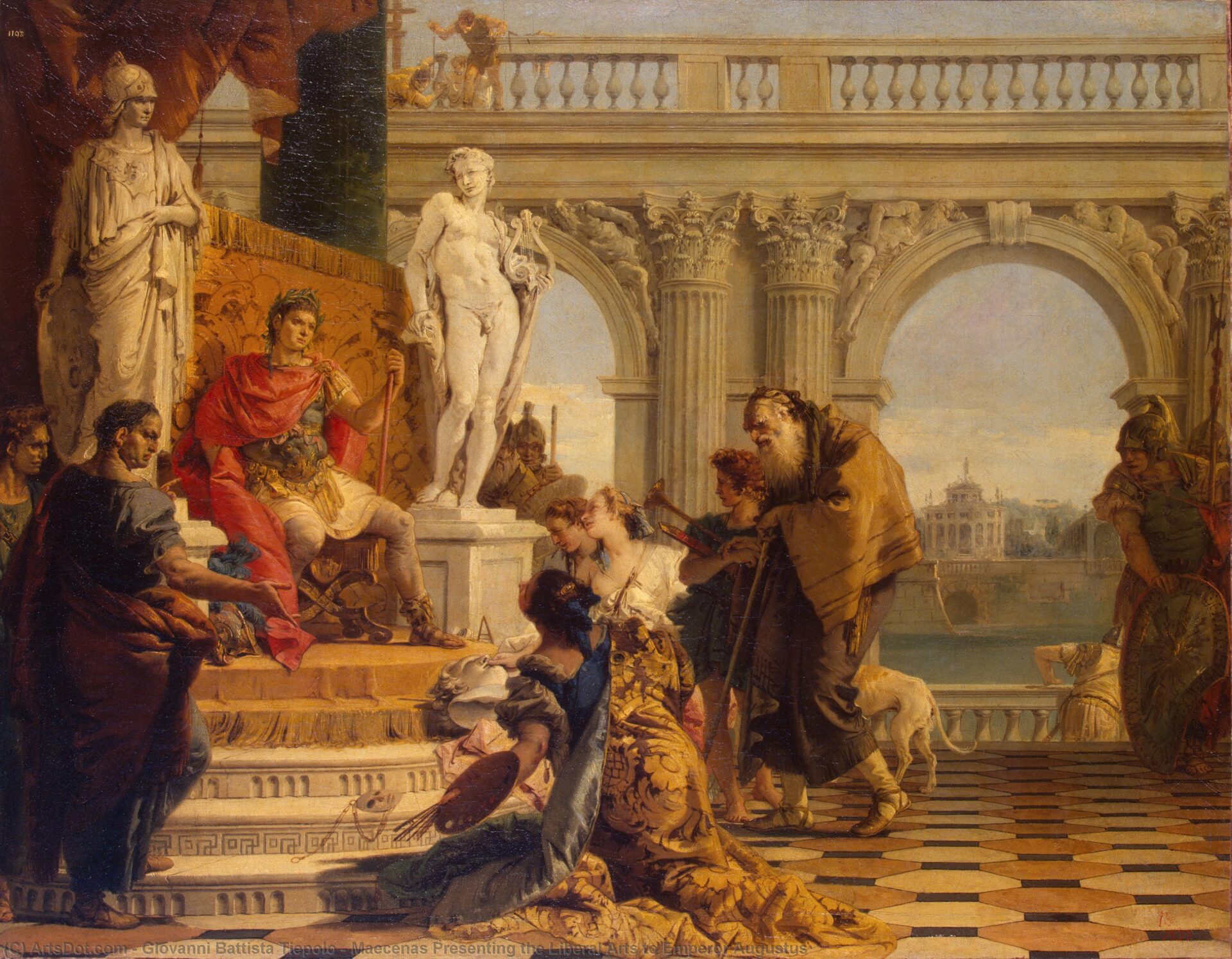
Under the Lex Aelia Sentia, for example, an owner generally needed to be at least 20 years old to perform certain forms of manumission that produced full citizenship, while slaves under 30 faced additional restrictions. Special procedures could permit some younger slaves to obtain citizenship, but manumission was no longer simply an unrestricted private decision.
The legislation also created serious consequences for slaves who had suffered certain punishments. Those who had been chained, branded, tortured in connection with offenses, or subjected to other specified penalties could, after manumission, fall into the category of dediticii rather than becoming Roman citizens.
Freedom Did Not Mean Complete Equality
A formally manumitted slave could become a Roman citizen, particularly when freed through a recognized form of iusta manumissio, but freedpeople did not immediately become socially equivalent to freeborn Romans.
The freedman remained connected to the former master as a client and patron. Obligations could include obsequium—respect or deference toward the patron—and various forms of service. The exact nature of these obligations changed over time and depended on the circumstances.
Freedpeople could engage in business, accumulate wealth, own property and participate extensively in commerce. Their economic activity could be substantial, and some became prosperous entrepreneurs or commercial agents.
Their descendants could also experience greater social mobility because the stigma and legal restrictions attached specifically to the freed status did not necessarily carry forward in the same form to later generations.
What Happened After Manumission?
The newly freed person did not simply walk away from Roman society with no further obligations.
A freedman generally took the praenomen and nomen of the former master, while retaining his original name as a cognomen. This created a visible connection between patron and freedman.
The former master also became the freedperson’s patron, creating a relationship that could benefit both sides. The patron gained a continuing social and economic connection, while the freedperson gained access to networks of protection, business and social advancement.
This relationship helps explain why manumission was not necessarily economically irrational for slaveholders. A master could transform a trusted slave into a freed worker who continued to provide services while acquiring a degree of independence. Manumission could therefore function as both a reward and an economic strategy.
Why Did Roman Masters Free Their Slaves?
There was no single reason.
A slave might be freed after years of loyal service, because of a personal relationship with the master, because the slave had demonstrated exceptional ability, or because the owner considered manumission economically advantageous.
Some manumissions were connected to the slave’s accumulated peculium. Others were written into wills. In still other cases, freedom formed part of a broader patron-client relationship.
What is important historically is that manumission was controlled by the slaveholder and Roman law rather than being an automatic reward for good behavior. The existence of a possible path to freedom should not obscure the fundamental reality that the individual remained enslaved until the legally effective act of manumission occurred.
Manumission and the Roman Economy
Manumission occupied an unusual position within Roman slavery.
The institution allowed Roman society to maintain a large enslaved workforce while also creating a mechanism through which selected slaves could eventually enter the free population. Urban slaves, particularly those working in skilled occupations and commerce, could have opportunities unavailable to many agricultural slaves, although the frequency of manumission remains uncertain. The British Museum notes that historians do not know the overall rate at which Roman slaves were freed and that urban slaves appear to have had greater opportunities for manumission than those working in rural settings.
This made freedom part of the economic structure of Roman slavery rather than an exception completely outside it.
The peculium, the prospect of manumission, and the obligations of freedpeople all connected the enslaved workforce to a larger system of labor, property and patronage.
Manumission Was Freedom Within a Hierarchy
Roman manumission was therefore neither a simple act of kindness nor a modern concept of emancipation.
It was a legal transformation of status.
A person moved from servus—slave—to libertus—freedperson. Depending on the legal form and period, that transition could include Roman citizenship, but it also created continuing obligations toward the former master. Augustus’ legislation demonstrates that the Roman state regarded the process as important enough to regulate closely.
The system ultimately reveals one of the defining contradictions of Roman slavery. Slavery was a permanent legal institution, yet Roman society deliberately maintained controlled routes out of it. Masters could use the promise of freedom to reward service, encourage productivity, preserve loyalty and create long-term patronage relationships. Slaves, meanwhile, could sometimes use skill, savings and years of service to negotiate a different legal status.
Manumission therefore did more than free individual slaves. It helped reproduce the social and economic structure of Roman society by transforming selected enslaved people into freed members of the Roman community who remained connected to the very households from which they had emerged.
