
The Roman Empire was not inherently opposed to religious diversity. Across its vast territory, Romans encountered and incorporated an extraordinary range of gods, rituals, priesthoods, and foreign cults. Egyptian Isis and Serapis, Persian Mithras, Syrian deities, Celtic gods, and countless local traditions could find places within the religious landscape of the empire. Yet Christianity eventually became a serious problem for Roman authorities.
The reason was not that Christians possessed armies, territory, or political institutions. They possessed none of these. The problem was that Christianity challenged assumptions about the relationship between religion, society, and political authority that were fundamental to Roman public life. To understand why, it is necessary to understand what religion meant to the Romans.
Roman Religion Was a Public Obligation
Roman religion was not primarily organized around a universal creed that every individual had to accept. It was embedded in public and private life. Families maintained household cults, communities celebrated festivals, magistrates performed sacrifices, and cities honored their traditional gods.
The Roman concept of pax deorum, meaning the peace or favorable relationship between the Roman community and its gods, was particularly important. Roman prosperity was understood, in part, to depend on maintaining proper relations with the divine world through the correct performance of religious rituals.
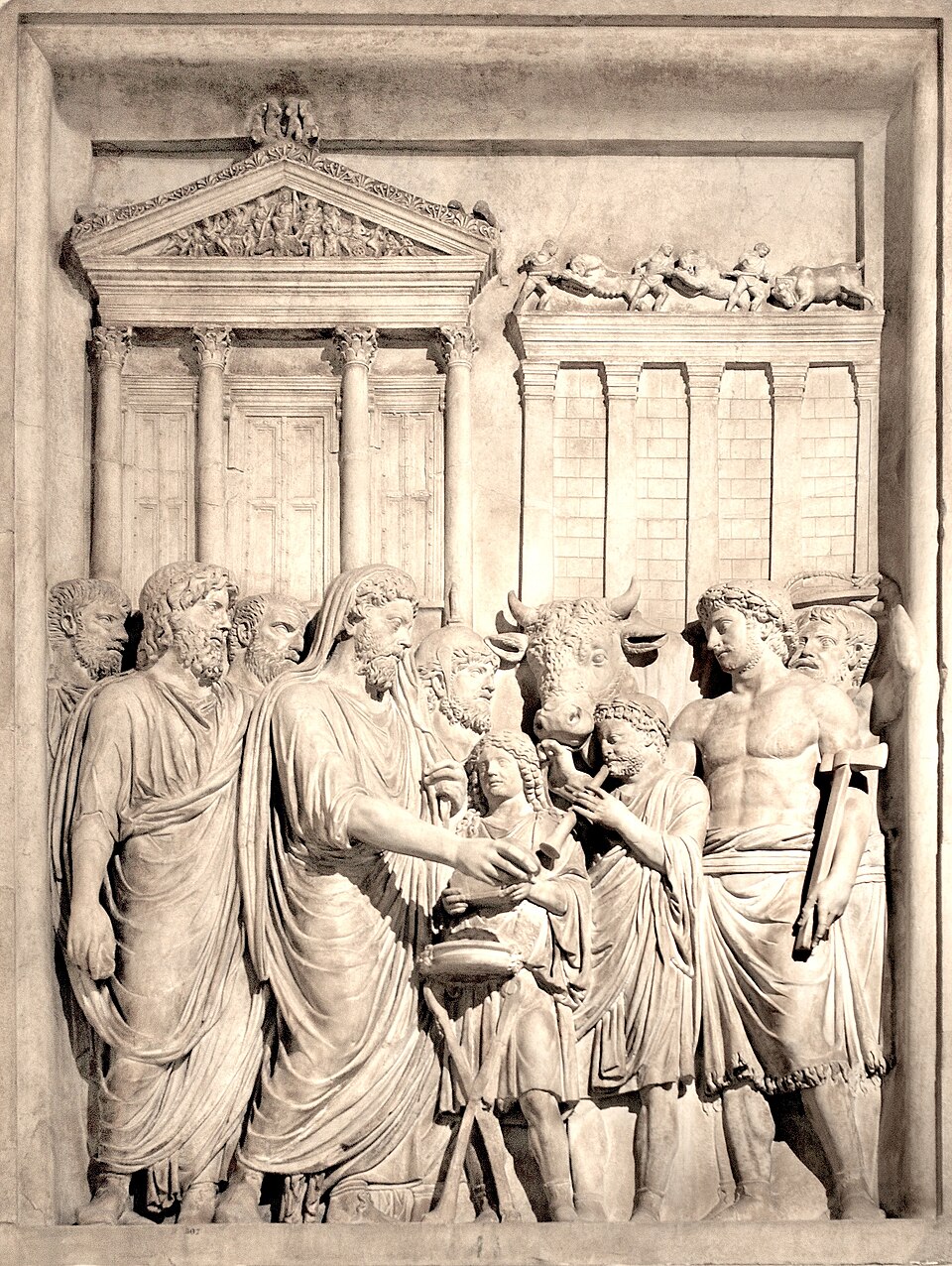
This made religious practice a matter of public responsibility.
Roman religion was therefore less concerned with what an individual privately believed than with whether the appropriate rituals were performed correctly. A person could honor additional gods without necessarily abandoning existing ones. This helps explain why the empire could absorb foreign cults without automatically treating them as threats.
Christianity was different because Christians did not simply add Jesus to an existing collection of gods. They regarded the worship of other gods as incompatible with their faith. The Christian God demanded exclusive worship, and Christians rejected sacrifices to traditional Roman deities.
That distinction mattered enormously.
The Refusal to Sacrifice
For Roman officials, the crucial issue was often not whether Christians believed in Christ but whether they would participate in established religious practices.
A Christian could live peacefully among polytheists, but participation in a sacrifice could constitute apostasy from Christian belief. Conversely, refusal to participate could be interpreted by Roman authorities as obstinacy, impiety, or disregard for civic obligations.
This became particularly significant when imperial loyalty was expressed through religious ritual. The emperor was not necessarily regarded everywhere or at all times as a god in precisely the same way, and modern descriptions of “emperor worship” can oversimplify a complicated and evolving institution. Nevertheless, imperial cult practices formed part of civic religious life in many parts of the empire. Public sacrifices, oaths, festivals, and honors connected the emperor with the political order he represented.
For Christians, however, ultimate allegiance belonged to God and Christ. The resulting conflict was therefore not simply theological; it could become a confrontation over public conformity.
A governor who ordered a Christian to sacrifice was not necessarily asking the individual to abandon every private religious conviction. From the Roman perspective, the demand could be framed as a straightforward act of civic participation: perform the accepted ritual, demonstrate respect for the gods and authorities, and return to ordinary life. Christians could see the same act as religious betrayal, creating an impasse that could escalate into criminal proceedings.
Christianity Was Also Misunderstood
Roman suspicion was intensified by the secrecy surrounding some Christian practices. Early Christians commonly met in private residences, particularly before Christianity possessed publicly recognized places of worship. Their meetings were not necessarily secret in the conspiratorial sense, but their rituals were unfamiliar to outsiders and sometimes deliberately restricted to members.
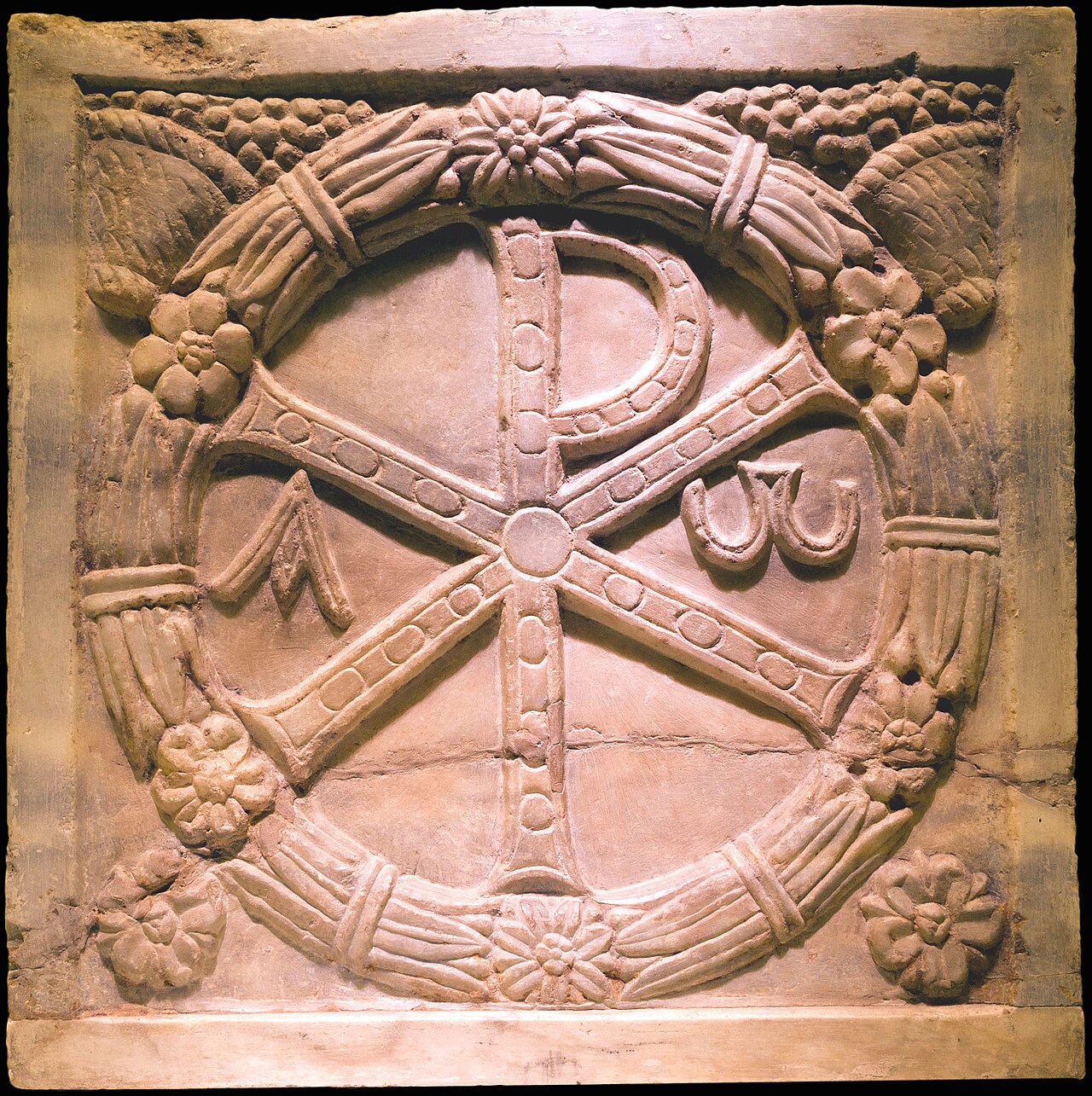
Christian terminology could also be misunderstood. Believers described themselves as brothers and sisters, while participating in the Eucharist and consuming bread and wine understood within Christian theology as the body and blood of Christ. To Christians, these were central elements of their faith. To hostile outsiders unfamiliar with Christian teaching, however, such language could become the foundation for grotesque rumors.
Christians were accused at various times of incest, sexual immorality, ritual murder, and cannibalism. The so-called “Thyestean banquet” accusation, which alleged that Christians consumed human flesh, appears in the wider tradition of ancient accusations against suspect religious groups.
These charges were not descriptions of Christian practice. They were products of misunderstanding, hostility, and polemical exaggeration. Yet accusations did not need to be true to become socially dangerous.
A movement that met privately, rejected traditional gods, used unfamiliar ritual language, and claimed allegiance to a crucified figure could easily appear strange to outsiders.
Rome’s Deeper Concern Was Social Order
It is tempting to describe Roman persecution simply as religious intolerance, but that explanation is incomplete. Roman authorities could be remarkably pragmatic about religion. The empire governed populations with different languages, customs, and religious traditions on an enormous scale, and it routinely accommodated local religious practices.
The critical distinction was between religious diversity and religious defiance.
A new cult could generally coexist with existing traditions if it did not fundamentally disrupt public order or challenge established authority. Christianity’s exclusive monotheism made that accommodation more difficult.
Christians were not merely worshiping a new deity. They were rejecting the legitimacy of the gods whose protection was believed to sustain the community. Their refusal could therefore be interpreted as impiety toward the gods, contempt for civic customs, and potentially disobedience toward Roman authority.
This did not mean that every Roman official regarded Christianity as a revolutionary political movement. Most Christians were not attempting to overthrow the empire, nor did Christianity initially possess anything resembling a coordinated political program. The Roman concern was more immediate and practical: what happened when a growing number of people refused to perform rituals that their communities regarded as essential?
Persecution Was Neither Constant Nor Empire-Wide
There was no continuous Roman policy of persecuting Christians from the first century until Constantine. That is one of the most important facts for understanding early Christian persecution.
For much of the first two centuries, Christian communities experienced periods of relative peace interrupted by episodes of local or imperial repression. Roman authorities did not possess a permanent empire-wide apparatus devoted exclusively to hunting Christians. The response varied according to emperor, province, governor, local circumstances, and the political climate.
The correspondence between Emperor Trajan and Pliny the Younger around AD 112 provides an especially important example. Pliny, governing Bithynia and Pontus, asked Trajan how Christians should be treated. Trajan instructed him not to conduct systematic searches for Christians, but those formally accused and refusing to demonstrate loyalty through appropriate religious acts could be punished.
The exchange reveals that Christianity was not automatically being hunted everywhere. Yet once Christians were brought before Roman authority, their refusal to comply could become decisive.
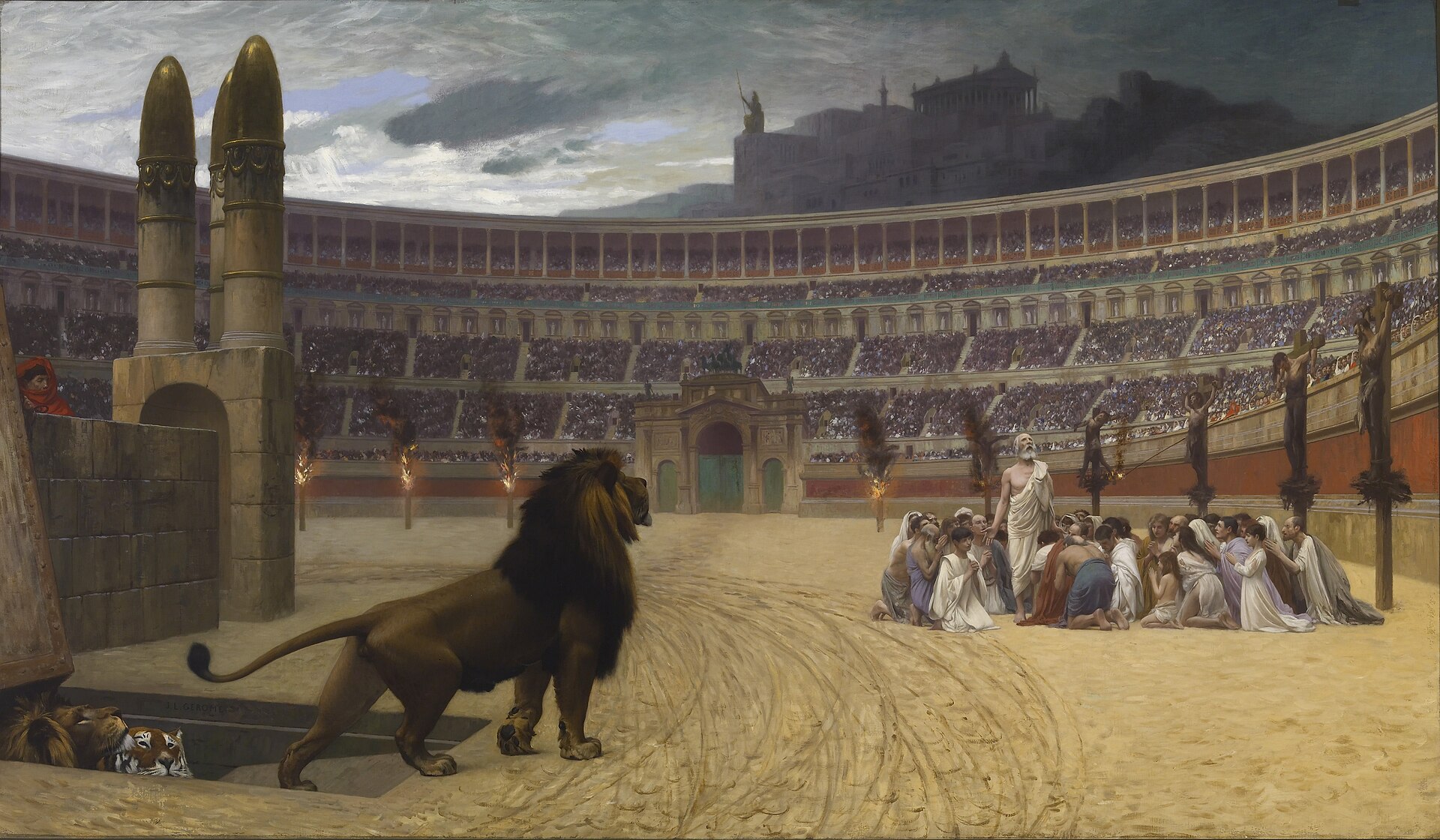
The issue was often obedience. A Christian willing to perform the required sacrifice could avoid punishment, while someone who stubbornly refused could be treated as a criminal. That pattern helps explain why martyrdom became such a powerful feature of early Christian memory.
Why Execution Could Become the Issue
Roman criminal justice was not based on a modern principle of religious freedom. Authorities possessed broad powers to punish behavior considered threatening, impious, or disruptive. Punishment could range from imprisonment and fines to execution, depending upon circumstances, social status, and period.
The Christian refusal to compromise therefore created a particularly stark confrontation. From the Roman perspective, the expectation was straightforward: sacrifice, demonstrate conformity, and return to ordinary life. From the Christian perspective, sacrifice to another god could constitute betrayal of the faith.
The confrontation could therefore become absolute.
Christians who refused were sometimes praised by fellow believers as martyrs, witnesses who demonstrated their faith by accepting death rather than renouncing Christ. This created a paradox for Roman authorities. Punishment could remove individual Christians, but it did not necessarily eliminate the movement. Stories of martyrdom could instead strengthen Christian identity and reinforce the commitment of surviving communities.
Christianity Was Becoming an Imperial-Wide Movement
Christianity’s expansion made the situation increasingly difficult to ignore. The movement traveled through the same networks that connected the Roman world: roads, ports, commercial centers, and urban populations.
Its social reach also widened. Christian communities included people from different ethnic and economic backgrounds. Women played important roles in many early Christian communities, while slaves, freedpeople, merchants, artisans, wealthy householders, and members of local elites could all encounter the movement.

This does not mean Christianity immediately became a mass religion or that all social classes converted in equal numbers. Its growth was gradual and uneven. By the second and third centuries, however, Christianity could no longer easily be dismissed as a minor Jewish sect confined to a handful of communities.
It had become an increasingly interconnected religious movement operating throughout the empire, and that changed its political significance.
The Real Roman Anxiety
The Roman Empire did not fear Christians because they possessed military power. It feared what their refusal represented.
Christianity introduced a form of religious allegiance that could compete with the traditional religious obligations of the community. Christians belonged to organized communities that crossed conventional boundaries of city, ethnicity, and social class. They maintained their own rituals, moral expectations, leaders, and networks of communication.
Most importantly, they claimed that the authority of God stood above every earthly ruler. That did not automatically make Christians political rebels, but it created a potential conflict whenever imperial authority demanded something Christianity considered forbidden.
The Roman state could tolerate many gods. It had considerably more difficulty tolerating a growing population that insisted there was only one God and that participation in the worship of other gods was unacceptable.
This tension remained manageable for long periods, but it could become explosive when political instability, social anxiety, or imperial policy turned Christians into convenient targets.
The first major imperial persecution traditionally associated with Rome came under Nero following the Great Fire of Rome in AD 64. The fire transformed Christianity from a marginal and sometimes misunderstood movement into a convenient target for imperial punishment in the capital.
