
The Roman Empire was one of the most influential civilizations in human history, leaving behind an extraordinary architectural and cultural legacy that stretches across three continents. From monumental amphitheaters and imperial palaces to sophisticated aqueducts, ancient cities, military fortifications, and remarkably preserved settlements, Roman engineering and urban planning transformed the Mediterranean world.
At its height under Emperor Trajan in the early 2nd century AD, the empire encompassed territories across Europe, North Africa, and the Middle East. Its influence extended far beyond the boundaries of modern Italy, creating an interconnected world united by roads, commerce, military infrastructure, administrative institutions, and a shared architectural tradition.
Today, many of the most spectacular remnants of this civilization enjoy protection as UNESCO World Heritage Sites. Some preserve entire Roman cities, while others showcase the monumental ambitions of emperors, the engineering abilities of military architects, and the extraordinary prosperity of provincial communities.
What makes these destinations particularly fascinating is their diversity. The Roman legacy is not limited to the Colosseum or the ruins of Pompeii. It can also be found in the deserts of Tunisia, the mountains of Lebanon, the British countryside, and the historic cities of Germany and Croatia.
Here are 12 of the most fabulous UNESCO World Heritage Sites associated with the Roman Empire, offering an extraordinary journey through the architecture, engineering, politics, and everyday life of ancient Rome.
1. Historic Centre of Rome – The Eternal City and Heart of an Empire
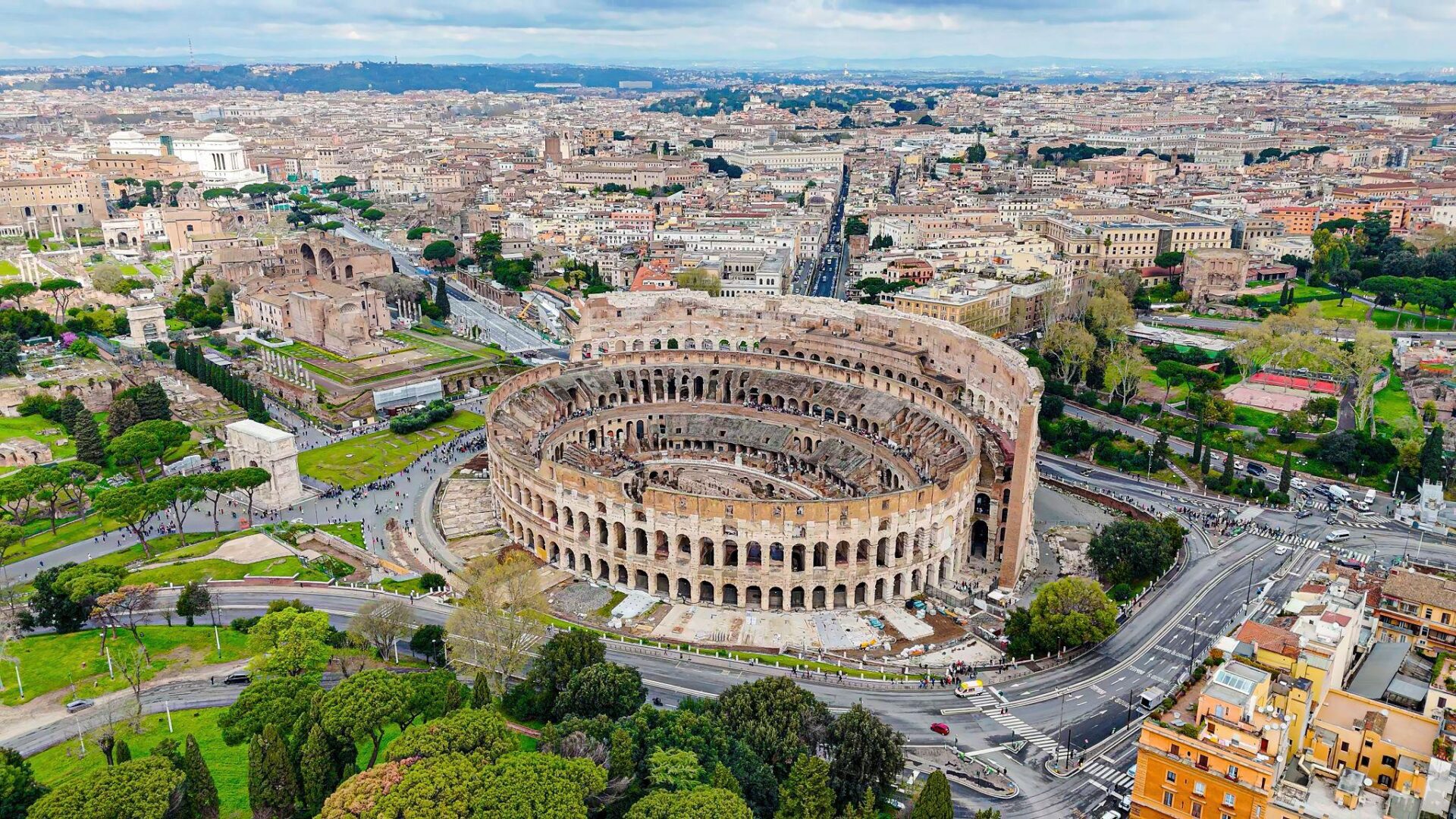
No exploration of Roman heritage would be complete without starting in Rome itself. Inscribed on the UNESCO World Heritage List in 1980 and extended in 1990, the Historic Centre of Rome encompasses an extraordinary collection of monuments documenting the city’s evolution from an ancient political powerhouse into the center of Christianity and later Renaissance and Baroque culture.
Among its most recognizable ancient attractions are the Colosseum, Roman Forum, Pantheon, Trajan’s Column, Mausoleum of Augustus, and Mausoleum of Hadrian, now incorporated into Castel Sant’Angelo.
The Colosseum remains one of the greatest achievements of Roman engineering. Completed under Emperor Titus in AD 80, this enormous amphitheater accommodated tens of thousands of spectators and hosted gladiatorial contests, animal hunts, and other public spectacles. Its sophisticated system of entrances, corridors, seating arrangements, and underground facilities demonstrated the Romans’ understanding of crowd management and monumental construction.
Nearby, the Roman Forum preserves the political and religious center of ancient Rome. Its temples, basilicas, triumphal arches, and public spaces witnessed elections, judicial proceedings, political speeches, religious ceremonies, and celebrations of military victories.
The Pantheon is another engineering masterpiece. Rebuilt under Emperor Hadrian around AD 118–128, it features an enormous unreinforced concrete dome with a central oculus that remains one of the most remarkable architectural achievements of antiquity.
Rome is particularly exceptional because its ancient monuments exist alongside medieval churches, Renaissance palaces, and Baroque masterpieces. Rather than presenting an isolated archaeological landscape, the UNESCO property illustrates nearly three millennia of continuous urban development.
2. Pompeii, Herculaneum and Torre Annunziata – A Roman World Frozen in Time
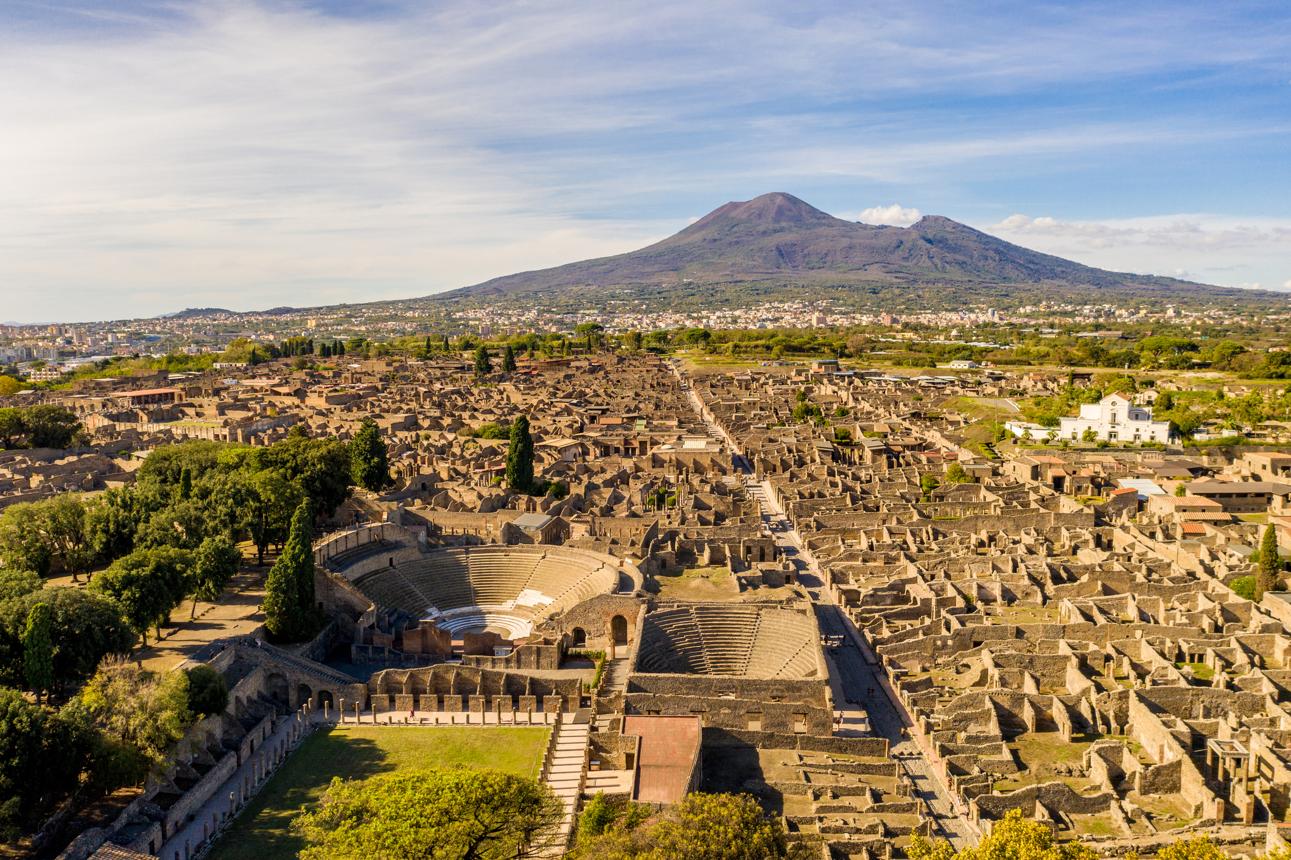
Few archaeological destinations provide such an intimate understanding of Roman society as Pompeii and Herculaneum. Together with the archaeological remains of Torre Annunziata, including the magnificent Villa of Poppaea, these settlements form one of the most important UNESCO World Heritage properties in Italy.
On August 24, AD 79, Mount Vesuvius erupted, burying Pompeii and Herculaneum beneath volcanic deposits. The disaster destroyed thriving communities but inadvertently preserved an extraordinary archaeological record of their architecture, commercial activities, domestic interiors, and everyday routines.
Pompeii offers an extensive picture of a Roman commercial town. Its streets reveal residential houses, bakeries, workshops, taverns, public baths, temples, theaters, and an impressive amphitheater. The House of the Vettii, Villa of the Mysteries, and numerous surviving frescoes provide glimpses into the wealth, tastes, and social aspirations of its inhabitants.
Herculaneum offers a different experience. Buried beneath deep pyroclastic deposits, it preserves remarkable architectural details, including upper floors, wooden objects, furniture, and shop interiors. The Villa of the Papyri, an exceptionally luxurious residence, is particularly important for its architecture, sculptures, and surviving ancient library.
At Torre Annunziata, the Villa of Poppaea displays some of the finest surviving examples of Roman domestic wall painting. Its elaborate decorative schemes illustrate the sophisticated tastes of wealthy Romans during the early imperial period.
The archaeological complex was inscribed in 1997. Its significance lies not simply in its spectacular ruins but in the unparalleled opportunity to investigate Roman life at a specific historical moment.
3. Leptis Magna – The Magnificent African City of Septimius Severus
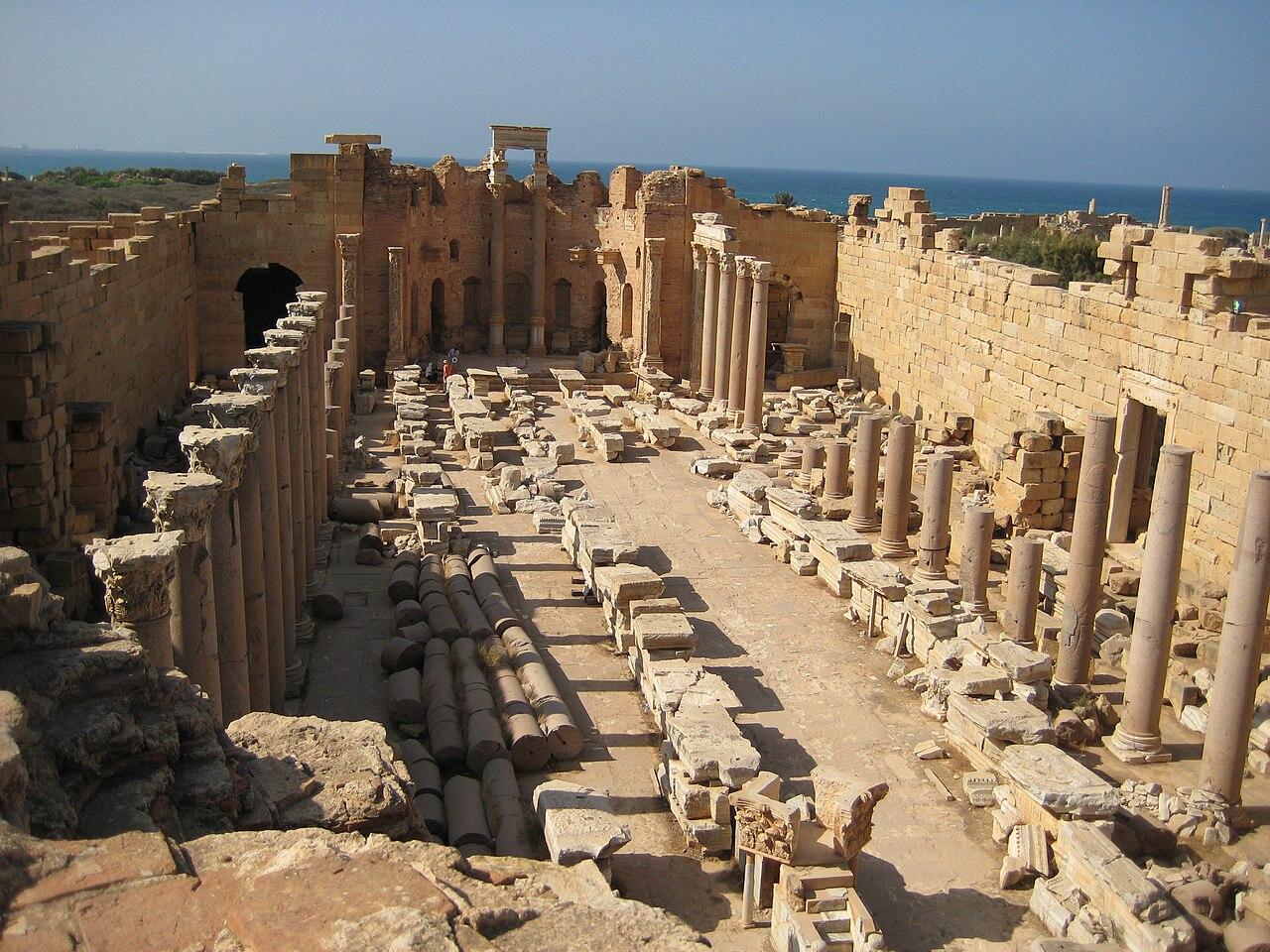
Located along the Mediterranean coast of modern Libya, Leptis Magna was one of the most magnificent urban centers of Roman North Africa. Its extraordinary architectural remains demonstrate how provincial cities could rival the imperial capital in monumental ambition and sophistication.
Originally established by Phoenician settlers during the 7th century BC, Leptis Magna expanded considerably under Roman rule. Its most spectacular transformation occurred during the Severan dynasty, particularly under Emperor Septimius Severus, who was born in the city around AD 145.
After becoming emperor in AD 193, Severus invested heavily in his hometown, commissioning monumental public buildings and improving its infrastructure. The resulting architectural ensemble included a new forum, basilica, colonnaded streets, baths, and an impressive harbor complex.
The Severan Forum and Basilica are among the site’s most remarkable structures. Their elaborate marble decorations, monumental columns, and sculptural ornamentation reflect the wealth and artistic sophistication of the Severan period.
Equally impressive is the ancient harbor. Roman engineers constructed an artificial basin, a barrage, and a canal designed to regulate the Wadi Lebda, creating an important commercial facility that connected the city with Mediterranean trade networks.
Leptis Magna also preserves a theater, amphitheater, circus, marketplace, residential neighborhoods, and numerous triumphal monuments.
Inscribed in 1982, the archaeological site is particularly valuable because much of its ancient urban fabric remains recognizable. It provides an exceptional picture of a thriving provincial city and demonstrates the importance of North Africa within the Roman imperial economy.
4. Baalbek – The Colossal Temples of Roman Heliopolis
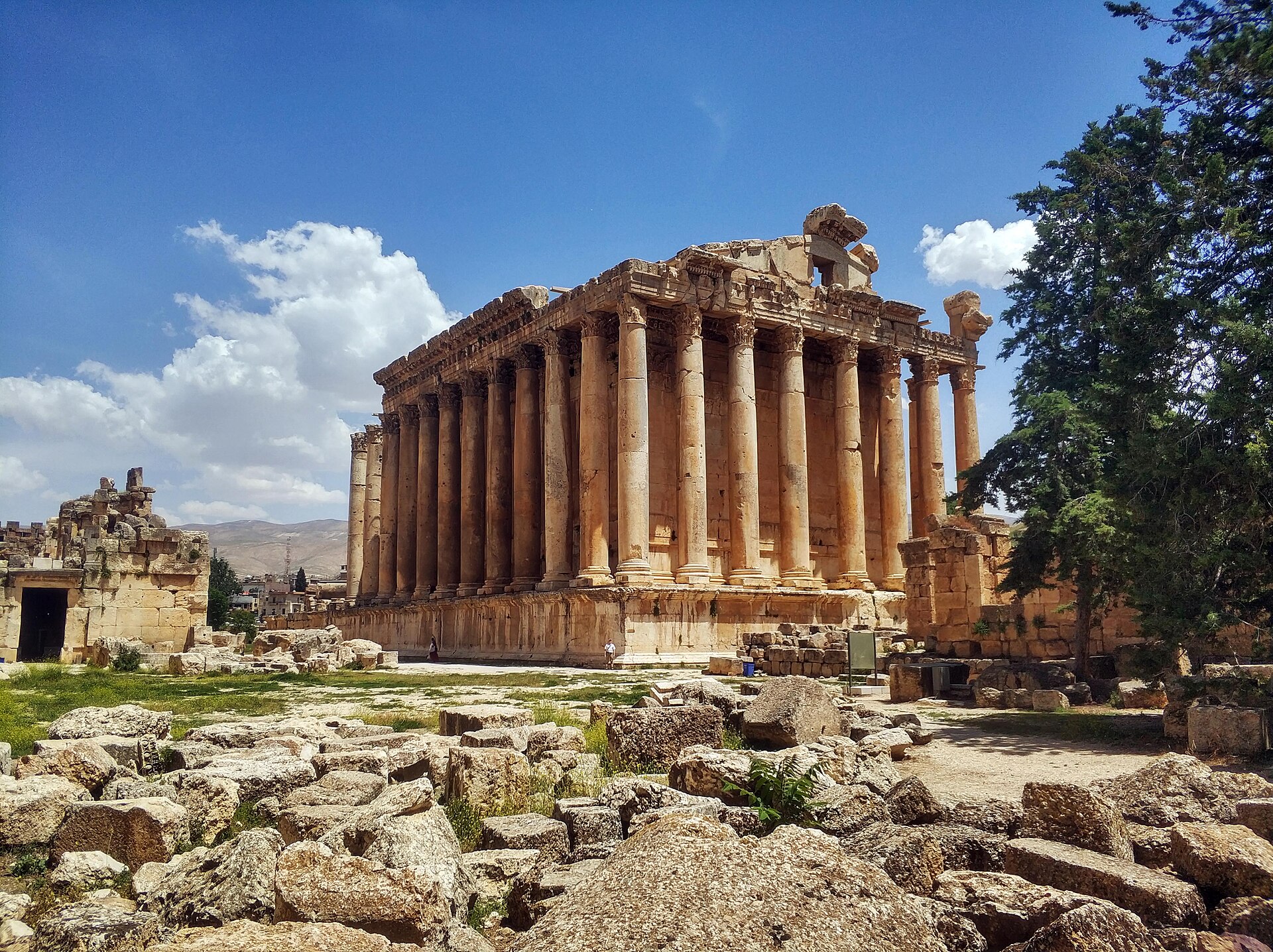
In the Bekaa Valley of modern Lebanon stands Baalbek, an archaeological complex that demonstrates the extraordinary scale and ambition of Roman religious architecture.
Known as Heliopolis during the Hellenistic and Roman periods, the city became one of the most important religious centers in the eastern Mediterranean. Its sanctuary attracted pilgrims who worshipped a distinctive religious triad associated with Jupiter, Venus, and Mercury.
The most imposing structure was the Temple of Jupiter, whose monumental columns once dominated the sanctuary. Although much of the building has disappeared, six enormous columns remain standing, providing a sense of its original scale.
The nearby Temple of Bacchus is even better preserved. Dating primarily to the 2nd century AD, it features an impressive colonnade, elaborate sculptural decoration, monumental doorways, and remarkably detailed architectural ornamentation. Its surviving interior is among the finest examples of Roman temple architecture.
The complex also contains the remains of the Temple of Venus, monumental courtyards, stairways, and ceremonial spaces that illustrate the importance of religious architecture in the eastern provinces.
One of Baalbek’s most fascinating engineering features is its enormous foundation masonry, including the famous Trilithon, a group of three colossal limestone blocks incorporated into the podium of the Jupiter sanctuary. Their immense dimensions continue to attract attention from archaeologists and architectural historians.
Inscribed in 1984, Baalbek represents one of the finest examples of Imperial Roman architecture at its height, demonstrating how Roman building traditions adapted to established religious landscapes in the eastern Mediterranean.
5. Dougga (Thugga) – An Extraordinary Romanized Numidian City
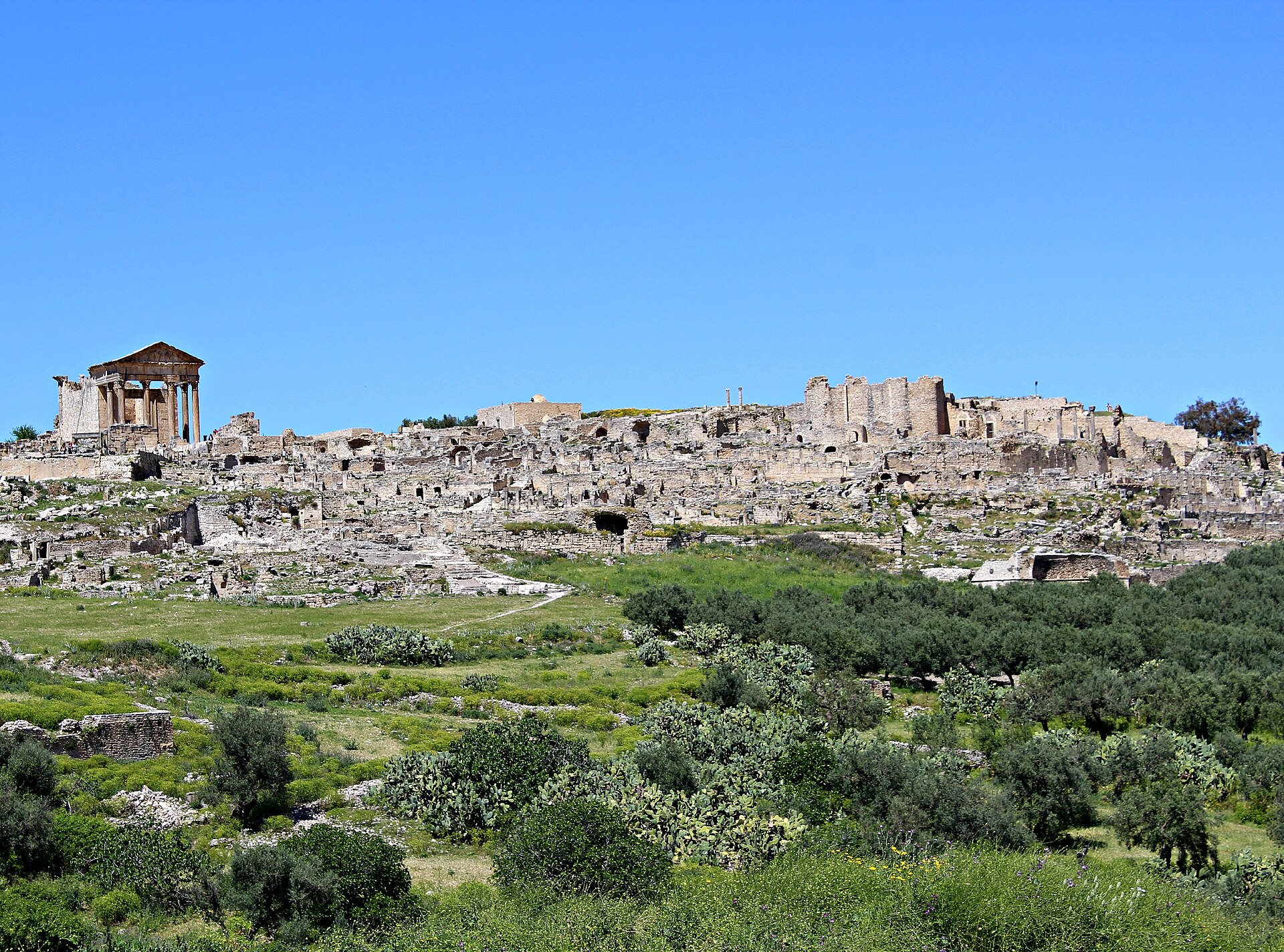
Tunisia contains some of the most impressive Roman archaeological remains outside Italy, and Dougga is among its most remarkable destinations.
Situated on a hillside overlooking a fertile agricultural valley, the ancient city of Thugga existed long before Roman annexation. It was an important center of the Numidian kingdom and developed into a prosperous urban settlement under Roman and Byzantine rule.
What makes Dougga particularly fascinating is the coexistence of indigenous North African, Punic, Hellenistic, and Roman architectural traditions.
Its most recognizable monument is the Capitol, a remarkably preserved temple dedicated to Jupiter, Juno, and Minerva. Constructed during the 2nd century AD, it features a monumental Corinthian façade and an inscription commemorating its dedication.
The Roman theater is another highlight. Built into the hillside, it could accommodate approximately 3,500 spectators and demonstrates how Roman entertainment architecture was adapted to the natural landscape.
Other surviving structures include public baths, temples, residential buildings, a marketplace, a forum, and the impressive Libyco-Punic mausoleum, which predates Roman domination.
Unlike major imperial capitals, Dougga was not one of the empire’s most politically important cities. Its value lies in demonstrating how Roman urban culture developed alongside established North African traditions.
UNESCO inscribed Dougga in 1997, recognizing it as one of the best-preserved examples of an Africo-Roman town.
6. Archaeological Ensemble of Mérida – The Roman Capital of Lusitania
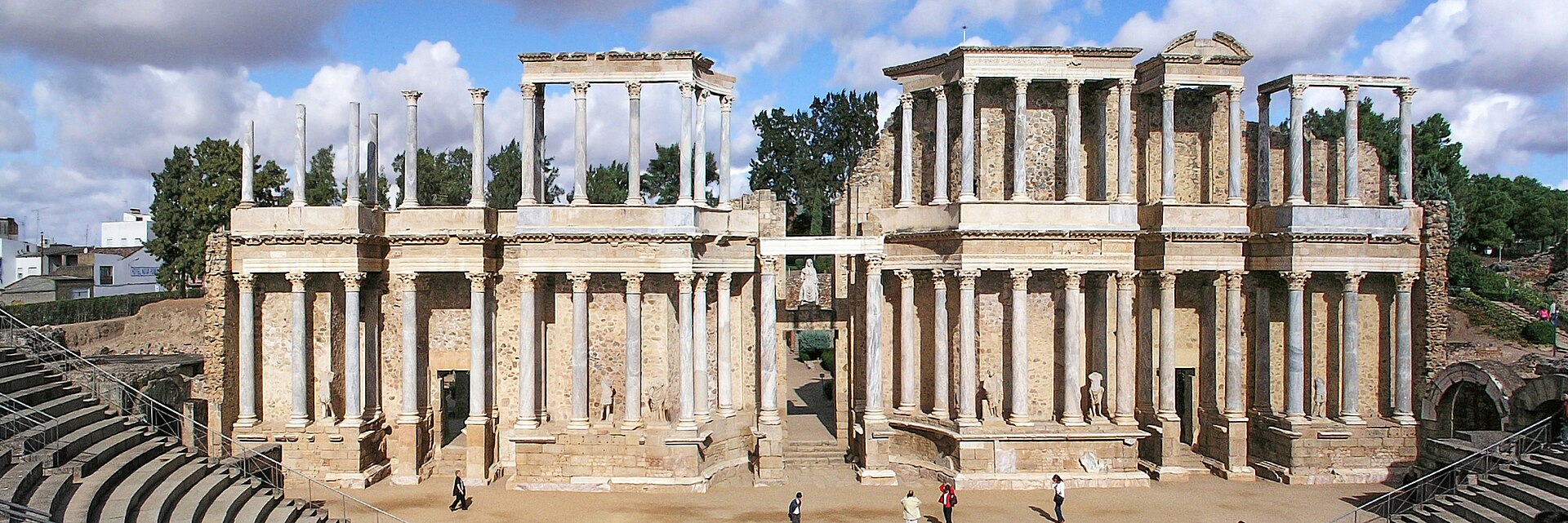
Founded in 25 BC under Emperor Augustus, Augusta Emerita became the capital of Lusitania, one of the western provinces of the Roman Empire. Present-day Mérida preserves an exceptional concentration of Roman public buildings and infrastructure.
The Roman theater is arguably its most spectacular monument. Constructed during the late 1st century BC and subsequently modified, it featured a monumental stage façade decorated with columns and sculptures. Unlike many ancient theaters that survive only as foundations, Mérida’s theater retains much of its architectural character.
Adjacent to it stands the Roman amphitheater, which hosted gladiatorial contests and animal spectacles. Together, these structures demonstrate the importance of public entertainment in provincial Roman society.
The city also preserves an enormous Roman circus, which accommodated chariot races and other public spectacles. Its scale illustrates the popularity of competitive entertainment throughout the empire.
Engineering achievements are equally impressive. The Puente Romano, spanning the Guadiana River, is one of the most significant surviving Roman bridges in Spain. The city’s water infrastructure includes aqueducts, dams, reservoirs, and drainage systems that supported its growing population.
Mérida also preserves evidence of its later Visigothic and Islamic history, creating a layered archaeological landscape that extends well beyond the Roman period.
Inscribed in 1993, the Archaeological Ensemble of Mérida is one of the finest examples of a Roman provincial capital and an outstanding destination for understanding how Roman urban planning was implemented in Hispania.
7. Trier – The Rome of the North
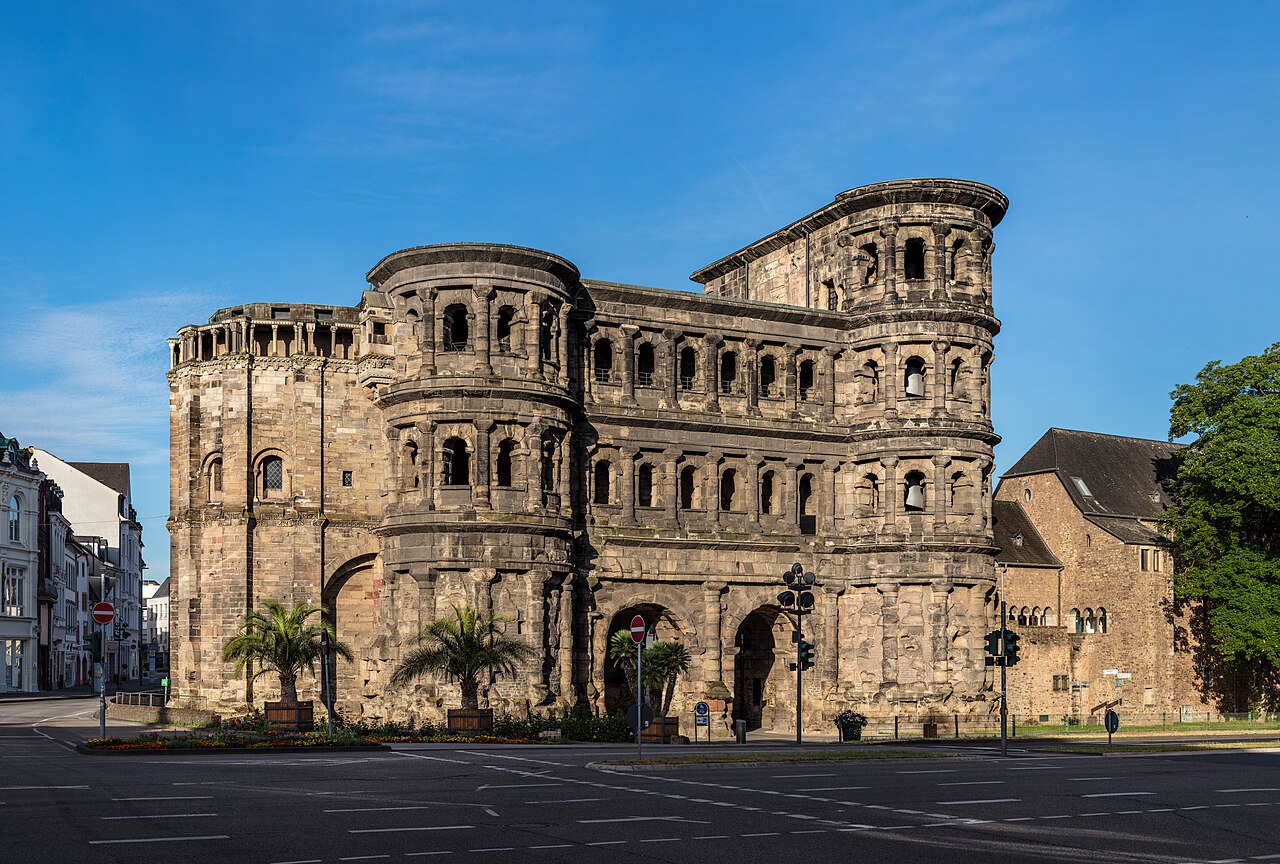
Germany’s Trier is one of the most important Roman archaeological destinations north of the Alps. Founded as a Roman colony during the 1st century AD, the city became an important commercial and administrative center.
Its importance increased dramatically during the late 3rd century when it became one of the principal imperial residences of the Tetrarchy, earning a reputation as the Rome of the North.
The most recognizable monument is the Porta Nigra, a monumental fortified city gate constructed during the 2nd century AD. Built from enormous sandstone blocks, its imposing towers and multiple levels demonstrate the sophistication of Roman military and civic architecture.
Trier also preserves the Aula Palatina, commonly known as the Basilica of Constantine. Built during the early 4th century, this enormous audience hall was associated with imperial administration and remains one of the most impressive surviving examples of Roman palace architecture.
The Imperial Baths provide another glimpse into the city’s monumental development. Their extensive remains reveal the scale and technical complexity of Roman bathing facilities.
Other important monuments include the Roman amphitheater, Barbara Baths, the Roman Bridge over the Moselle, and the Igel Column.
Inscribed in 1986, Trier’s UNESCO property combines Roman monuments with later Christian architecture, illustrating the city’s significance during the transformation of the Western Roman Empire.
8. Historical Complex of Split with the Palace of Diocletian – Inside an Emperor’s Retirement Palace
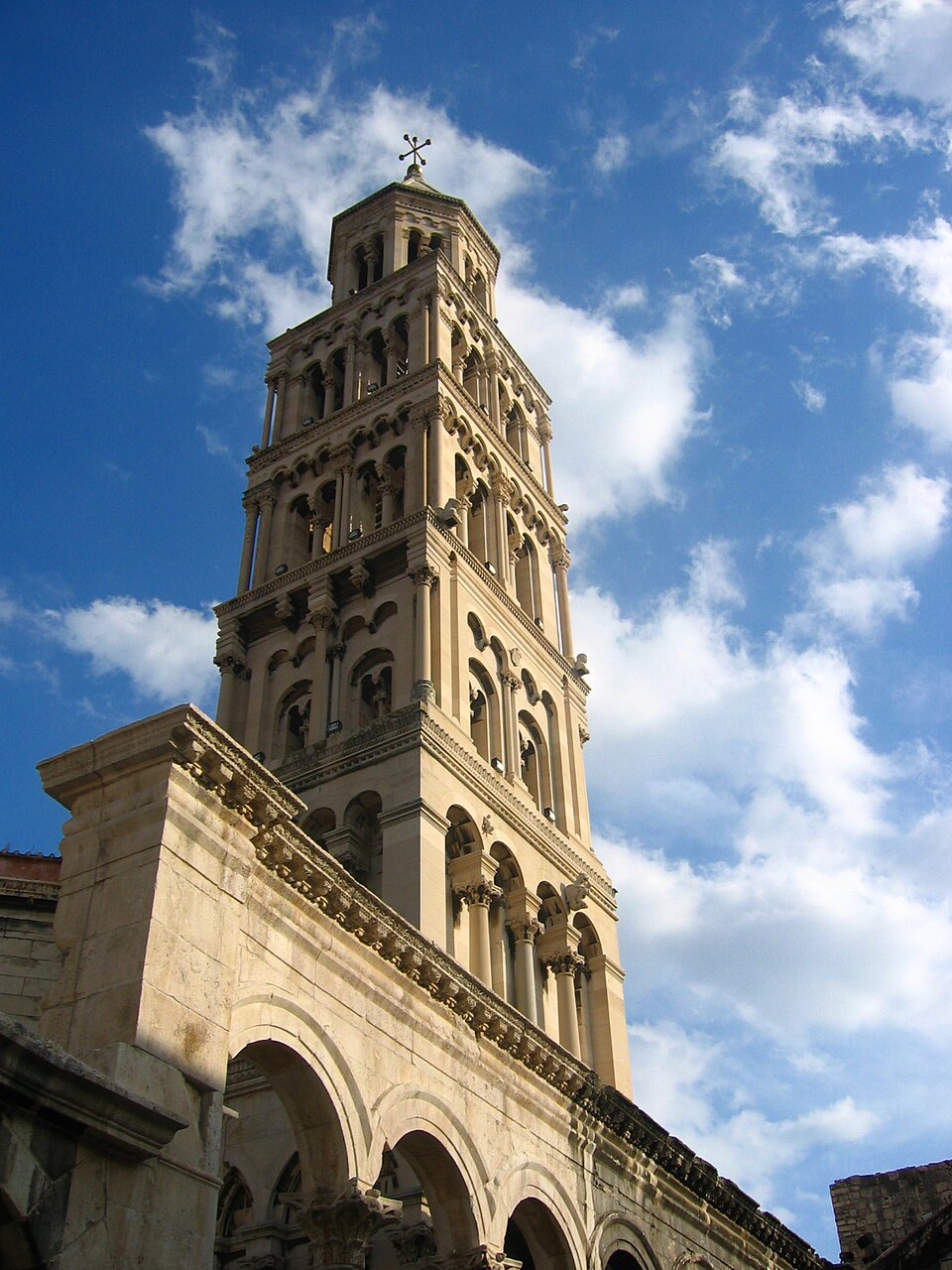
The historic city of Split offers one of the most unusual encounters with Roman imperial architecture. Rather than preserving an isolated palace among archaeological ruins, the city has grown around and incorporated much of the enormous residential complex built for Emperor Diocletian.
Constructed between the late 3rd and early 4th centuries AD, Diocletian’s Palace was designed as an imperial residence and fortified complex overlooking the Adriatic Sea.
Diocletian, who ruled from AD 284 to 305, is particularly remembered for reorganizing the Roman Empire through the Tetrarchy, a system of government involving two senior emperors and two junior colleagues. After voluntarily abdicating in AD 305, he retired to his palace in Dalmatia.
The complex combined luxurious residential quarters with defensive walls, ceremonial courtyards, temples, and military facilities. Its rectangular layout incorporated monumental gates, towers, and an internal street system.
The Peristyle, a grand ceremonial courtyard surrounded by columns, remains one of the most impressive architectural spaces in the complex.
Another fascinating feature is the former imperial mausoleum, which was later converted into the Cathedral of Saint Domnius. Its continued use illustrates how Roman structures were adapted to the religious and architectural requirements of subsequent centuries.
UNESCO inscribed the Historical Complex of Split in 1979. Its significance comes from the remarkable survival of the palace within a functioning modern city, where ancient Roman architecture remains an integral part of everyday urban life.
9. Pont du Gard – The Engineering Masterpiece of Roman Aqueduct Construction
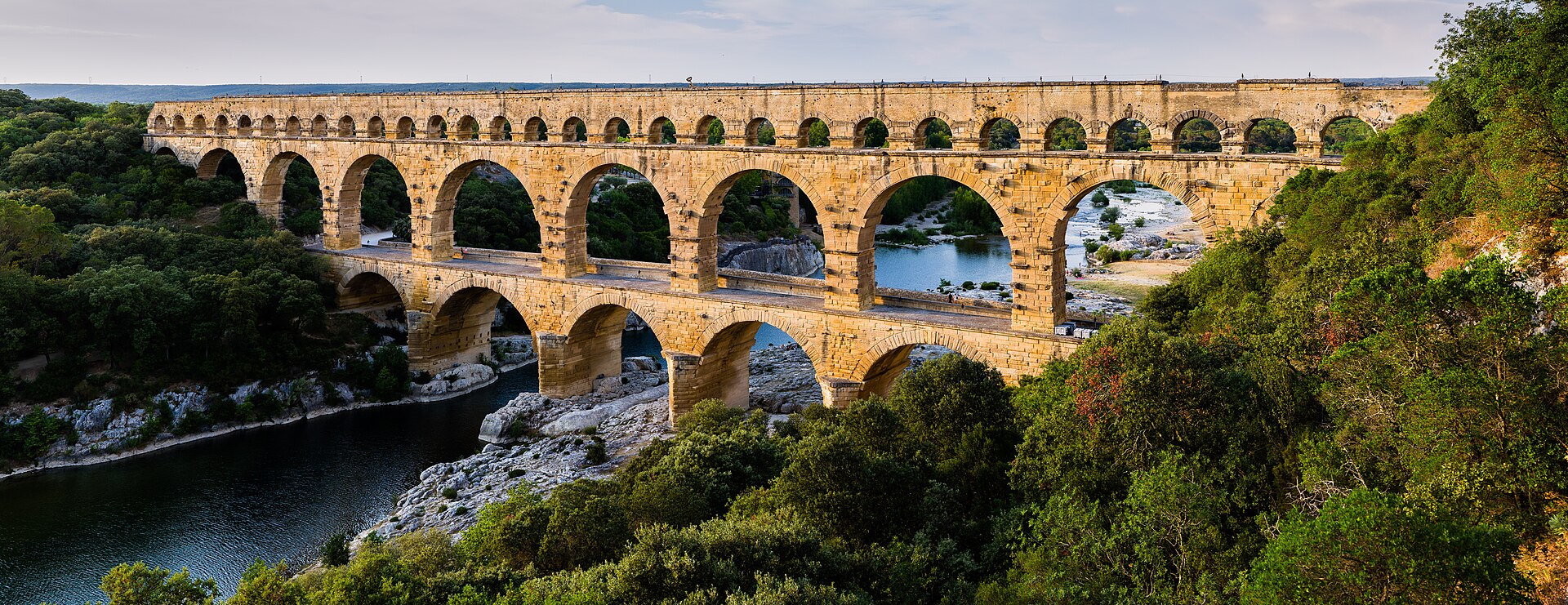
The Pont du Gard in southern France is among the most spectacular surviving examples of Roman hydraulic engineering. Built during the 1st century AD, this enormous aqueduct bridge formed part of a water-supply system transporting water approximately 50 kilometers from springs near Uzès to the Roman city of Nemausus, modern-day Nîmes.
Standing approximately 49 meters high, the monument features three levels of arches constructed from carefully positioned limestone blocks. Its proportions and structural sophistication demonstrate the technical abilities of Roman engineers, who designed the bridge to withstand the challenging conditions of the Gardon River.
The aqueduct was particularly important because reliable water supplies were essential to Roman urban development. Public fountains, baths, private residences, and other municipal facilities depended on sophisticated water-management systems.
The Pont du Gard is especially impressive because it combines engineering functionality with architectural beauty. Its three-tiered structure was designed to support the water channel while maintaining stability across a river valley.
The larger aqueduct system also demonstrates the Romans’ understanding of gravity-fed water transportation. Rather than relying on mechanical pumping, engineers established a carefully calculated gradient that allowed water to travel over long distances.
UNESCO inscribed the Pont du Gard in 1985, recognizing it as both a masterpiece of Roman engineering and an exceptional artistic achievement.
10. Frontiers of the Roman Empire – The Monumental Borders of Imperial Rome
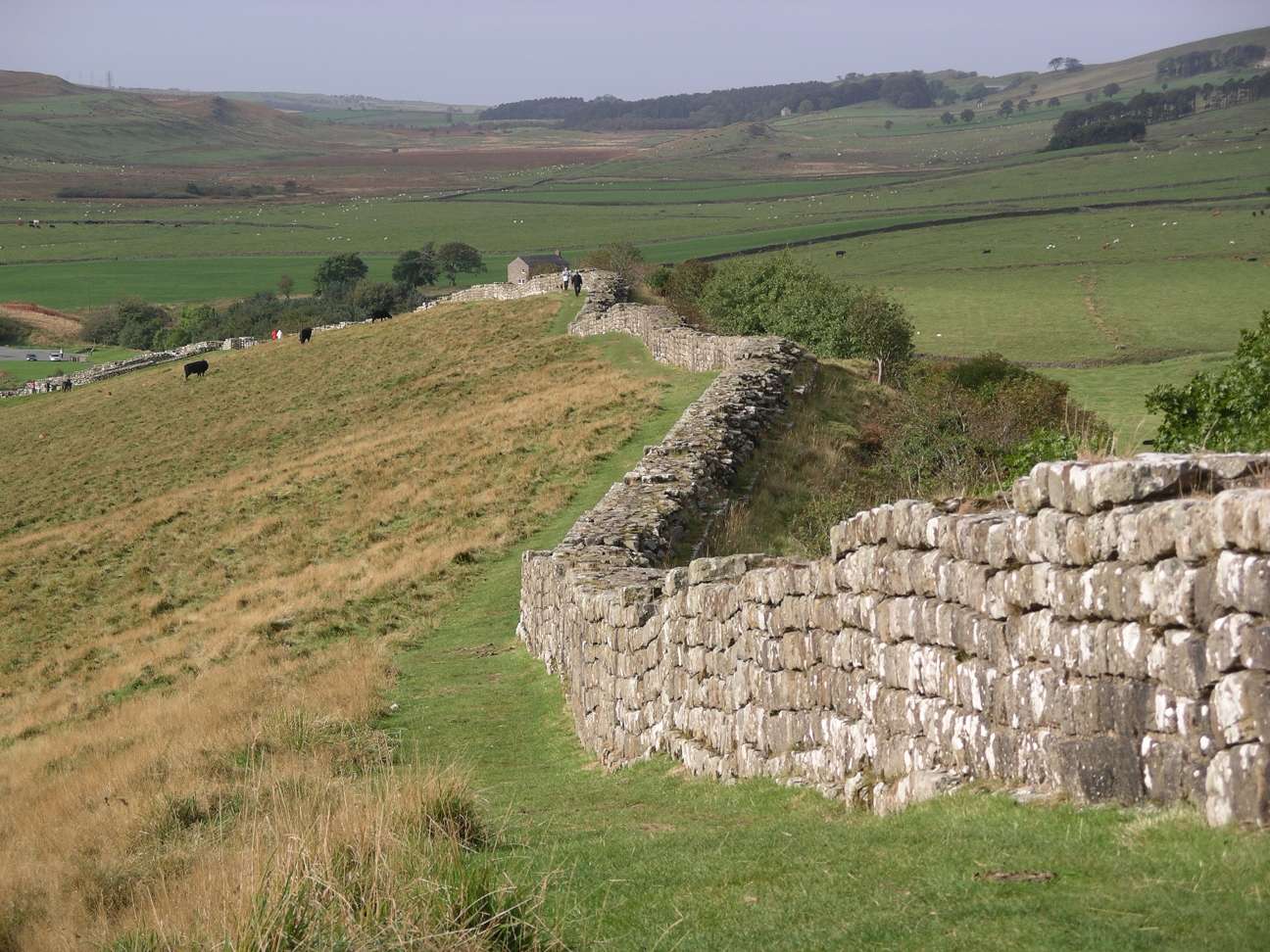
The Roman Empire’s extraordinary military organization is perhaps best represented by its extensive frontier system, known collectively as the Roman Limes.
Rather than a single continuous defensive wall, the Roman frontier consisted of an extensive network of fortifications, watchtowers, military roads, forts, settlements, and natural barriers. These installations helped regulate movement, protect provincial territories, and support the administration of the empire’s borders.
One of its most famous components is Hadrian’s Wall in northern England. Ordered by Emperor Hadrian around AD 122, the fortification extended approximately 118 kilometers from the River Tyne to the Solway Firth.
Its military infrastructure included forts, milecastles, turrets, and supporting settlements. Sites such as Housesteads and Vindolanda provide important archaeological evidence of military life along the frontier.
Another significant component is the Antonine Wall in Scotland, constructed under Emperor Antoninus Pius beginning around AD 142. Unlike Hadrian’s largely stone fortification, the Antonine Wall consisted primarily of an earth-and-turf rampart with a deep defensive ditch.
The German-Raetian frontier also demonstrates the sophistication of Roman military engineering, adapting defensive infrastructure to local geography and strategic requirements.
Importantly, the UNESCO property has expanded beyond its original European components. It now includes several additional frontier sections, including the Lower German Limes, the Danube Limes, and the Frontiers of the Roman Empire in Dacia, inscribed in 2024.
The UNESCO recognition of these frontiers provides a broader understanding of Roman military strategy, territorial administration, and interactions between imperial soldiers and neighboring populations.
11. Arles – A Mediterranean Center of Roman Entertainment and Commerce
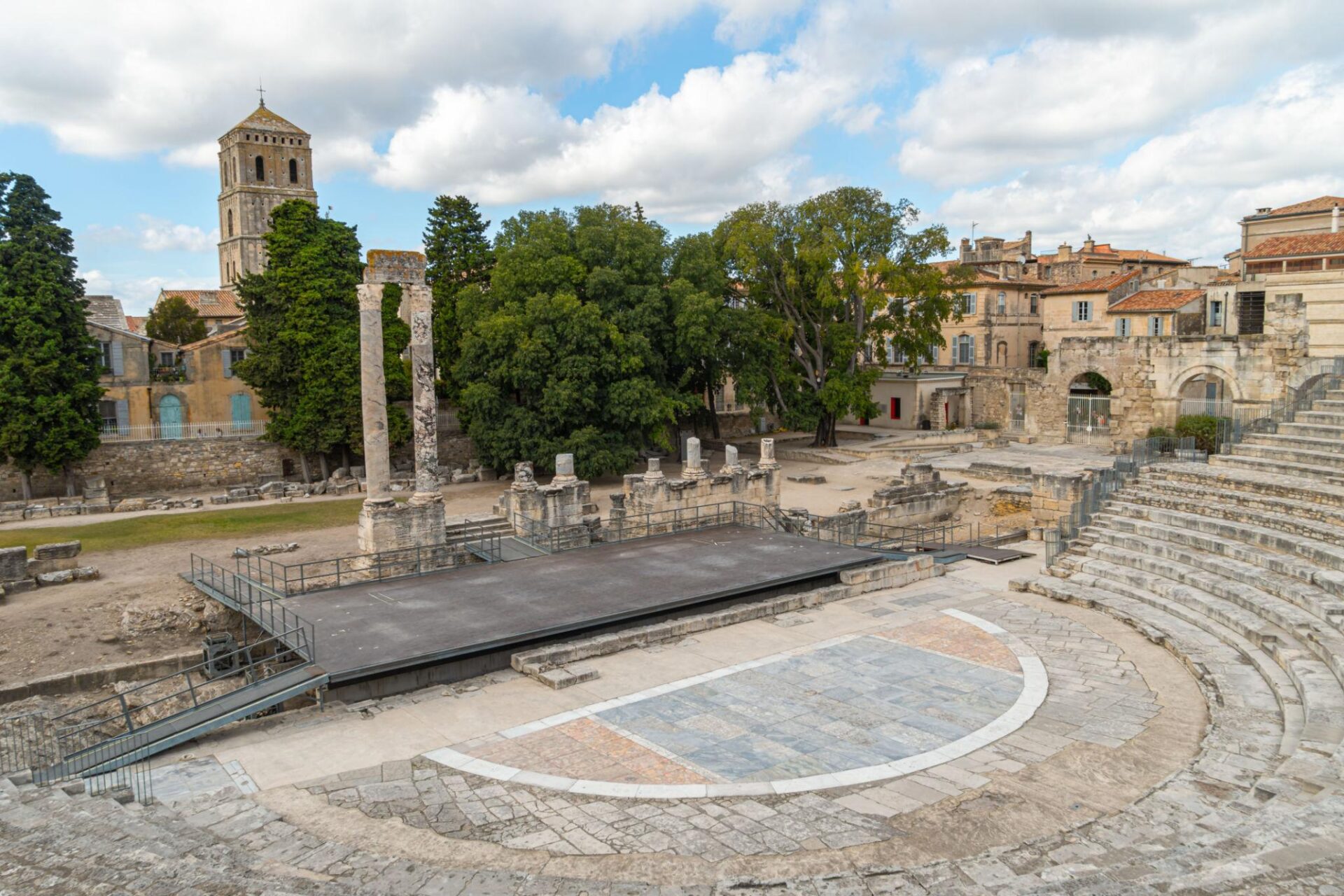
Situated along the Rhône River in southern France, Arles became an important Roman settlement following its incorporation into Roman territory during the late Republic.
Its strategic position made it an important commercial and administrative center connecting Mediterranean trade routes with inland territories.
The city’s most recognizable monument is its Roman amphitheater, constructed during the late 1st century AD. Capable of accommodating approximately 20,000 spectators, it hosted gladiatorial contests and other public spectacles.
The Roman theater is another important attraction. Although less extensively preserved than the amphitheater, its surviving remains reveal the architectural sophistication of Roman entertainment facilities.
Arles also preserves the cryptoporticus, a remarkable system of subterranean galleries associated with the ancient forum. These underground structures helped support the monumental public spaces above them.
The Baths of Constantine, dating from the 4th century AD, demonstrate the city’s continued importance during the later Roman Empire.
One of Arles’ most fascinating characteristics is its architectural continuity. Its ancient monuments exist alongside medieval religious buildings, particularly the Church of Saint-Trophime, creating a historical landscape that illustrates the transition from Roman antiquity to medieval European civilization.
UNESCO inscribed Arles in 1981, recognizing the exceptional combination of Roman and Romanesque monuments.
12. Early Christian Monuments of Ravenna – The Artistic Legacy of the Late Roman Empire
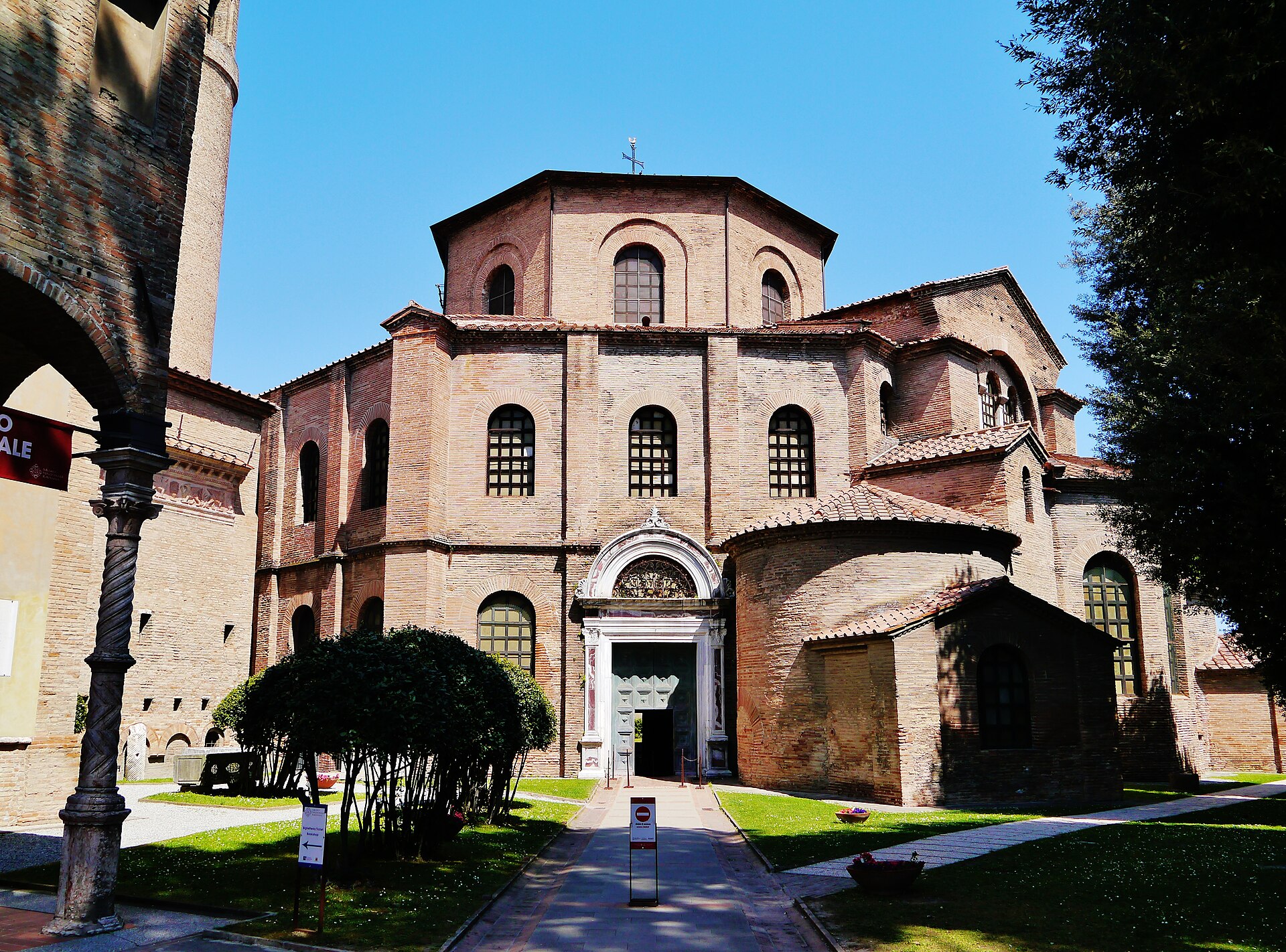
The final destination is Ravenna, a city that preserves some of the most extraordinary artistic achievements of the late Roman and early Byzantine worlds.
During the 5th century AD, Ravenna became the capital of the Western Roman Empire, replacing Milan as the principal imperial residence in the West. Its strategic location, protected by surrounding wetlands and connected to the Adriatic Sea, made it an important political and military center.
The city subsequently became the seat of Byzantine administration in Italy, and its monuments reflect the artistic and religious transformation of the Mediterranean world during late antiquity.
Among its most celebrated buildings is the Mausoleum of Galla Placidia, constructed during the 5th century. Its interior features extraordinary mosaics depicting Christian imagery against deep blue backgrounds, demonstrating the technical and artistic sophistication of late Roman decoration.
The Basilica of San Vitale is another masterpiece. Its famous mosaics include representations of Emperor Justinian and Empress Theodora, offering important visual evidence of imperial authority and Christian ceremonial culture during the 6th century.
The Basilica of Sant’Apollinare Nuovo preserves extensive mosaics illustrating religious processions, biblical scenes, and the artistic traditions of the period.
The Mausoleum of Theodoric, constructed for the Ostrogothic ruler in the 6th century, is another remarkable monument. Its distinctive construction and enormous stone roof distinguish it from other surviving buildings of the period.
UNESCO inscribed Ravenna’s eight early Christian monuments in 1996, recognizing their exceptional mosaics and their synthesis of Greco-Roman artistic traditions with Christian and Eastern influences.
Although these buildings postdate the traditional fall of the Western Roman Empire in AD 476, they preserve the cultural and artistic continuity of the late Roman world and its Byzantine successor.
UNESCO World Heritage Centre
The Enduring Legacy of the Roman Empire
The most fabulous Roman UNESCO World Heritage Sites are remarkable not simply because of their size, age, or architectural beauty, but because they preserve evidence of an interconnected civilization that operated across three continents.
From the monumental streets of Rome to the remote military installations of northern Britain, Roman achievements were built upon engineering expertise, administrative organization, economic networks, and cultural exchange.
Pompeii reveals the intimate details of everyday life, while Leptis Magna demonstrates the prosperity of Roman North Africa. Hadrian’s Wall exposes the complexity of imperial frontier management, and the Pont du Gard illustrates the technical sophistication that supported urban development.
Meanwhile, Trier and Ravenna demonstrate how Roman political and cultural traditions evolved during late antiquity.
More than 1,500 years after the disappearance of the Western Roman imperial government, these sites continue to shape our understanding of ancient history. They are not merely ruins of a vanished empire; they are enduring monuments to one of humanity’s most influential civilizations.
