
You look at Rome and ask how one city gained control over much of the known world so fast. You focus on power, rules, and the people who shaped them. I guide you through how Roman government worked, how it changed, and why those changes mattered.
You see a system that shifted over time to meet new pressures. You learn how shared rule, elections, and elite councils tried to prevent kings, yet still faced crisis and conflict. You also see how these struggles set the stage for one-man rule and a lasting empire.
Key Takeaways
- Roman power grew alongside changing systems of rule.
- Political conflict reshaped offices, laws, and authority.
- These changes left a lasting mark on later empires.
Growth of Roman Authority and Systems of Rule
You see Rome remove its last king in 509 BC and reject one-man rule. The city replaces monarchy with yearly elected officials who must share power. Two consuls lead together and cannot extend their terms.
These limits block any return to kingship. Fixed terms, shared office, and regular elections shape early Republican control.
Foundations of the Republican System
You rely on an unwritten constitution, known as the res publica, or public matter. Tradition and custom guide the state instead of a single legal code.
Key offices form a clear chain of command:
| Level | Role | Term |
|---|---|---|
| Top | Dictator (emergency only) | 6 months |
| Senior | Consuls | 1 year |
| Judicial/Military | Praetors | 1 year |
| Finance | Quaestors | 1 year |
| Civic Duties | Aediles | 1 year |
| Popular Protection | Tribunes | 1 year |
You also depend on the Senate, first set at 300 wealthy elites. Consuls, and later censors, appoint senators.
Voting runs through the Centuriate Assembly, which sorts citizens by wealth. This system links politics, voting power, and military service.
Shift Toward Imperial Control
You watch strain build in the late Republic. The Gracchi brothers push land reform to aid poor farmers. Their violent deaths make political force more acceptable.
You then see generals dominate politics. Marius holds the consulship seven times and uses violence to protect senatorial power. Sulla goes further by marching on Rome and taking control by force.
Sulla reshapes the state:
- He expands the Senate to up to 600 members
- He increases the number of magistrates and courts
- He centralizes power among wealthy elites
These changes weaken debate and unity. Over the next decades, rivalry and private power deals grow. In 27 BC, Augustus takes supreme authority, ending the Republic and beginning imperial rule.
Political Structure of the Roman Republic
The Senate: Authority and Membership
You see the Senate as the main body that guided state policy. It did not pass laws, but it advised magistrates and shaped decisions through tradition and influence.
Key features
- Size: about 300 members during most of the Republic
- Members: wealthy aristocrats
- Selection: chosen by consuls, later by censors
- Term: for life, unless removed
Customary Law and the Public State
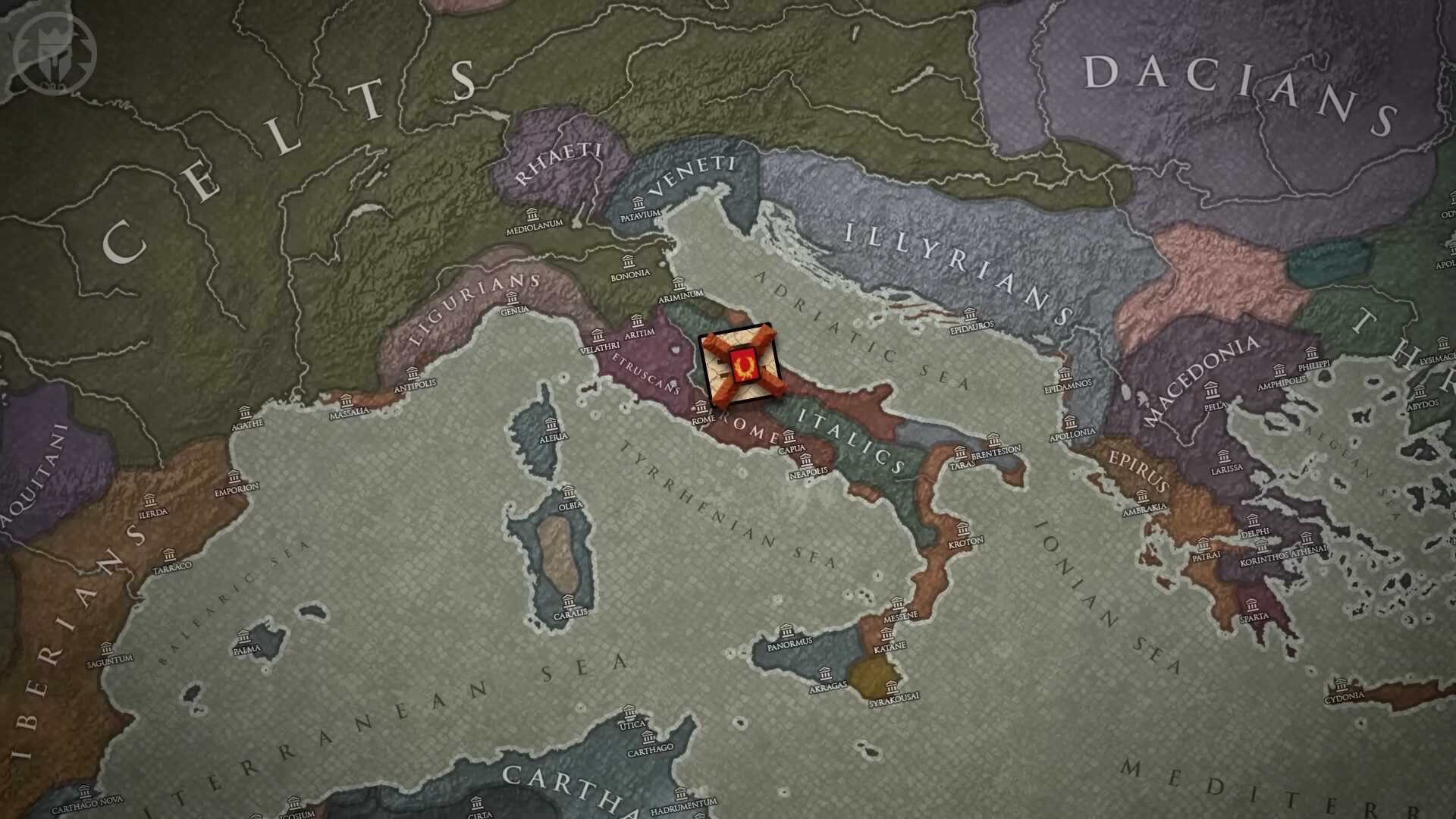
You operate without a single written constitution. Instead, you follow shared customs and practices known as the res publica, meaning the public matter.
This system grows from tradition, past decisions, and accepted limits on power. It begins after the kings were expelled in 509 BC and guides how offices and authority work.
Elected Officials and State Offices
You replace kings with officials who serve short terms and share power. This design blocks any return to monarchy.
Main offices
- Dictator: emergency role, 6 months only
- Master of Horse: deputy in emergencies
- Consuls (2): top yearly officials
- Praetors (2–8): often military roles
- Quaestors (4–20): manage state funds
- Aediles (4 total): public works and games
- Tribunes (2–10): represent common citizens
All offices, except the Senate, require annual elections.
Voting Assembly and Wealth Classes
You vote through the Centuriate Assembly, which reflects wealth and military role. Citizens are placed into 193 voting groups, called centuries.
| Class Type | Number of Centuries |
|---|---|
| Equestrian | 18 |
| Infantry | 170 |
| Other | 5 |
Every five years, elected censors update this system. Your class also decides your military equipment and place in battle formations.
Key Reforms and Political Crises
The Gracchi Brothers and the Rise of Political Bloodshed
You see the first major rupture when Tiberius and Gaius Gracchus hold the office of plebeian tribune. You watch them push land laws meant to return public land to poor farmers and support new settlements beyond Italy.
You also witness a sharp reaction from elite groups. Their violent deaths make political killing acceptable and set a new standard for how disputes get settled in Rome.
Key shifts you observe
- Land redistribution becomes a central issue
- Popular support clashes with elite resistance
- Violence enters formal politics
Marius, Sulla, and the Breakdown of Republican Customs
You then move into the era of Gaius Marius, a general elected consul seven times. You see this repeated rule weaken long-standing limits on power.
You also see Marius support killings of elected officials to protect senatorial control. That pattern deepens when Sulla marches his army on Rome, the first general to do so.
Actions that damage republican norms
- Armed force used inside the city
- Political enemies declared outlaws
- Civil war becomes a tool of power
The First Three-Man Alliance and Caesar’s Rise
You reach a turning point after Pompey returns from Asia and the Senate blocks land grants for his soldiers. You see Julius Caesar step in and form a private deal with Pompey and Crassus.
You understand this alliance serves personal goals, not public law. It bypasses the Senate and weakens shared rule.
| Member | Main Interest |
|---|---|
| Pompey | Land for veterans |
| Crassus | Financial relief |
| Caesar | Political advancement |
The Final Collapse of Republican Rule
You now face a system already damaged by decades of violence and personal rule. You see Sulla’s reforms expand the Senate but reduce its ability to act as a united body.
You also notice growing conflicts between offices and rising competition for power. Over the next fifty years, these pressures finish off the Republican constitution.
Caesar, Augustus, and the Shift to Empire
Caesar’s Changes to Power and Office
You see the Republican system weaken as leading men bend it to personal aims. Julius Caesar joins Pompey and Crassus in a private alliance to gain land, offices, and debt relief.
This pact works outside normal Senate control and shows how old limits no longer restrain top leaders.
Key feature of this alliance
| Element | What you observe |
|---|---|
| Nature | Private agreement, not a legal office |
| Purpose | Personal gain and political leverage |
| Effect | Reduced Senate authority |
Killing of Leaders and Its Impact
You witness political violence become common during this period. Earlier killings of elected officials set a pattern that makes force an accepted tool.
This climate shapes what follows and leaves the Republic unstable and fearful.
Alliance Rule and the Path to One Ruler
You watch alliances replace shared civic rule. After years of conflict and power deals, the Republican system fails to recover.
By 27 BC, you see Augustus rise, marking the end of Republican rule.
Creation of a New Political Order
You live through the final break with the old system. Augustus takes power, and the long Republican framework gives way to imperial rule.
The Senate still exists, but it no longer holds the same control over the state.
Senate and Political Institutions in the Eastern Roman Empire
Origins and Changes of the Eastern Senate
You see the Eastern Roman Senate as a successor, not a copy, of the old Republican body. It existed as a descendant shaped by centuries of earlier Roman political change rather than by the early Republic itself.
Its role reflected the long shift away from shared rule toward concentrated power. You should view it as part of an inherited structure that adapted to a very different political reality.
The Emperor as the Main Source of Power
You deal with a system where the emperor held authority that earlier Romans worked hard to limit. Fixed terms, shared offices, and emergency powers no longer defined political life in the same way.
You operate under an imperial model that replaced competition between magistrates. Power no longer depended on annual elections or balance between equals.
Governance and Bureaucratic Control
You rely on institutions that grew out of earlier Roman offices but served new purposes. These offices no longer acted as independent checks on power.
Administration followed a top-down structure. You answer to imperial authority rather than to a Senate that directs the state.
Survival and Loss of Republican Practices
You still recognize names and titles that came from the Republic. The Senate itself survived as an institution, even after the Republic ended.
You no longer see the Republic’s political spirit in action. Traditions that once limited ambition faded as imperial rule became permanent.
Legacy and Historical Impact
Enduring Effects of Roman Governance Systems
You see Roman rule leave a clear mark through its long use of shared offices, short terms, and layered authority. You watch the Senate act as a central body made of wealthy elites, shaped over centuries rather than by a written constitution. You also notice how voting groups tied wealth to both politics and military service.
Key features you observe:
- Shared leadership to block kingship
- Annual elections to limit power
- An unwritten system known as the res publica
How the Republic and Empire Differed in Practice
You recognize a shift when power moves away from balanced offices toward single rulers. In the Republic, you rely on elections, term limits, and shared command. Under the Empire, you see authority center on one man after Augustus takes control.
| Republican Model | Imperial Reality |
|---|---|
| Fixed terms | Ongoing rule |
| Shared offices | Central command |
| Senate influence | Reduced Senate power |
Loss of Cohesion and the Senate’s End
You witness unity break down as violence becomes a political tool. The deaths of the Gracchi make force acceptable in public life. You then see generals like Marius and Sulla use armies and killings to settle disputes, which weakens the Senate’s role.
You watch reforms expand the Senate but reduce its ability to act. Over time, competing priorities and repeated civil conflict leave the Senate unable to govern as it once did.
Conclusion
You can see how Rome relied on habit, custom, and shared limits instead of a written charter. This system worked because officials shared power, faced short terms, and answered to elections. These rules shaped how you understand Roman public life.
As pressures grew, you watch violence replace compromise. The deaths of the Gracchi, the actions of Marius, and Sulla’s march on Rome show how force entered politics. Each step weakened trust in the Senate and its authority.
You also notice how reforms meant to stabilize the state often made it more rigid. Changes to the Senate’s size and courts shifted power toward wealthy elites. These choices narrowed debate and made cooperation harder.
At this stage, you stand in a Republic where old safeguards still exist but no longer hold firm. Power now depends less on office and more on loyalty, wealth, and armies.
