
Chariot racing was one of the most popular forms of entertainment in ancient Rome, combining sport, religion, commerce, politics, and extreme physical danger. Its principal venue was the Circus Maximus, located in the valley between Rome’s Palatine and Aventine Hills. The stadium developed over centuries and, in its monumental imperial form, became one of the largest entertainment venues in the ancient world. Ancient capacity figures are uncertain, but it could accommodate a vast audience.
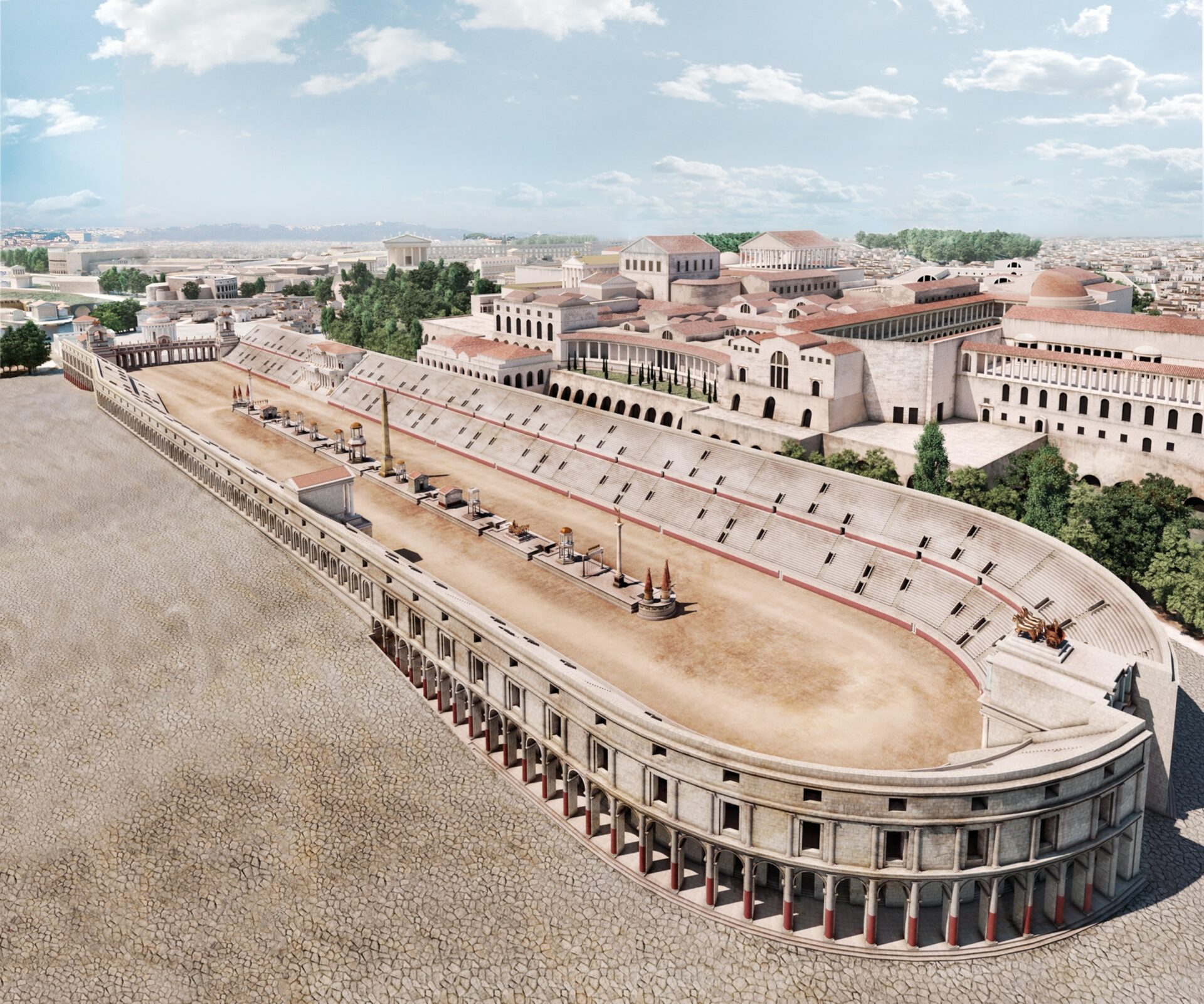
A typical race involved teams of horses pulling lightweight chariots around an elongated circuit divided by the spina, a central barrier. During the imperial period, races generally consisted of seven laps. A full program could contain numerous races, with some major events featuring as many as 24 contests in a single day.
Such programs required a substantial racing industry. Hundreds of horses could be needed for a major day’s competition, supported by trainers, grooms, stable workers, faction employees, and other personnel. Horses were sourced from throughout the Roman world, including North Africa, Hispania, Sicily, Italy, and Thessaly. Many racing horses were relatively compact and muscular compared with modern thoroughbreds.
The Race
The most dangerous sections of the Circus Maximus were the turns around the ends of the spina. Drivers competed aggressively for the inside line because controlling the corner could determine the outcome of the race. Precise ancient speed measurements do not exist, so modern claims of specific top speeds should be treated cautiously. Nevertheless, the lightweight chariots and powerful horses produced considerable speed, making collisions and overturns potentially fatal.
The chariots were constructed primarily for low weight and maneuverability. Their relatively small wheels and lightweight frames helped them negotiate the turns but offered limited protection in a crash.
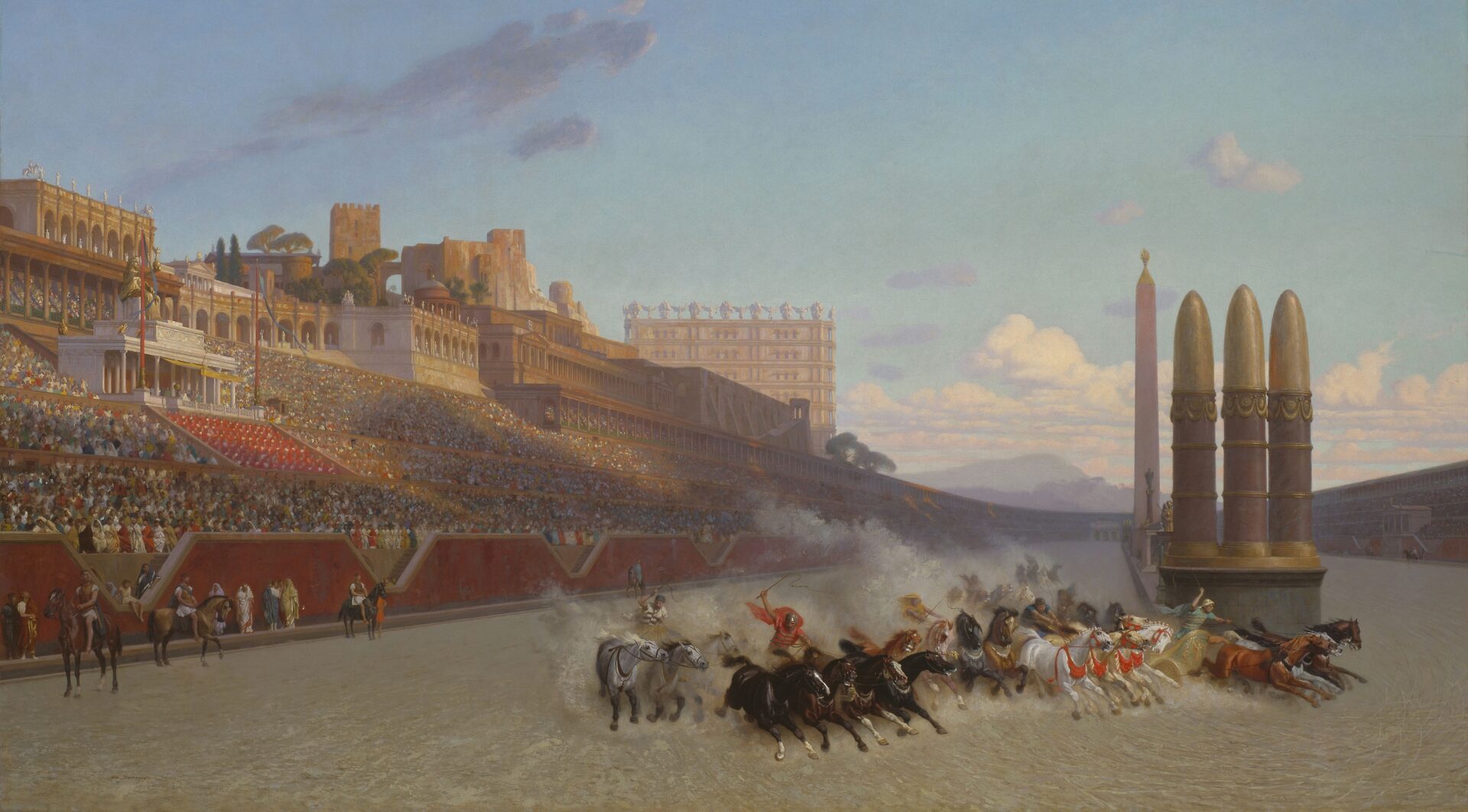
Charioteers stood while driving and controlled multiple horses simultaneously. The reins could be wrapped around the driver’s body, leaving a hand available for the whip. This technique provided control but created a serious hazard. If the chariot overturned, the driver could become entangled and dragged behind the horses.
For this reason, charioteers carried a knife to cut themselves free from the reins during an accident.
Horses and Team Tactics
Racing depended on more than individual horse speed. Horses had to work together as a coordinated team while responding to the driver’s commands under extreme conditions.
The arrangement of the team was critical, particularly during the turns. The outside or lead horses had important roles in controlling the chariot’s trajectory, and the driver had to make constant corrections to maintain the racing line.
A successful team therefore required carefully selected horses, extensive training, and a highly experienced driver.
The Religious Ceremony
Racing formed part of the broader Roman tradition of public games and religious festivals. Major events began with the pompa circensis, a ceremonial procession through Rome that included images of the gods and important members of Roman society before proceeding to the Circus Maximus.
The races were therefore integrated into religious and civic life rather than being treated as purely secular sporting events.
The Four Factions
Four principal racing factions competed in the imperial period: the Reds, Whites, Blues, and Greens. These factions were organized institutions that managed horses, drivers, training, and other aspects of racing.
Spectators developed strong loyalties to individual factions, particularly the Blues and Greens. Factional competition became a major component of Roman sporting culture, with victories and defeats generating intense public reactions.
Charioteers and Social Status
Despite their popularity, charioteers generally occupied a low position in Roman society. Many were slaves, freedmen, foreigners, or people from socially marginal backgrounds. Professional racing was not considered an occupation appropriate for the Roman elite.
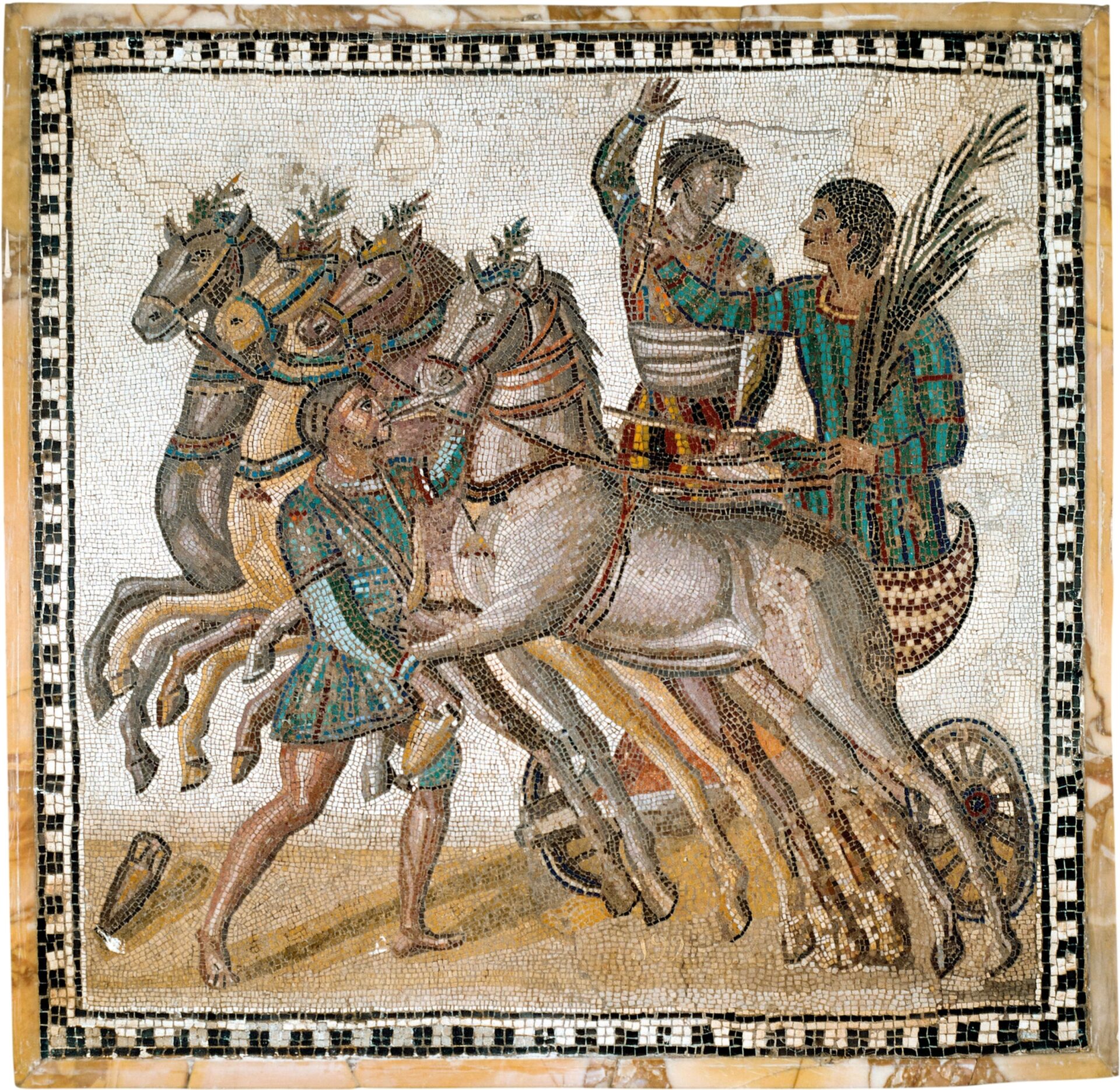
Exceptional drivers could overcome some of these limitations through success. Victories brought prize money, gifts, fame, and opportunities to accumulate considerable wealth. Successful charioteers could become recognizable public figures despite their low origins.
This combination of low social status and potentially enormous celebrity made professional racing unusual within Roman society.
The Risks of Racing
Accidents were common. A collision could destroy a lightweight chariot, throw a driver onto the track, or cause the horses to drag an entangled charioteer. Multiple competitors could become involved in a single crash.
Romans referred to major racing accidents as naufragia, or “shipwrecks,” reflecting the destructive nature of these incidents.
The danger was an inherent feature of the sport. Drivers had to balance speed and aggression against the risk of losing control at the turns. A successful race required precise positioning, coordinated horses, and the ability to react instantly to changing conditions.
An Industry Beyond Entertainment
Roman chariot racing supported a large economic network involving horse breeding, training, transport, equipment, faction management, and professional drivers. Wealthy owners and imperial establishments invested heavily in successful horses and racing teams.
The sport also had political importance. Roman emperors used public games to demonstrate generosity and maintain relationships with the urban population. The Circus Maximus provided a highly visible setting where rulers could associate themselves with religious ceremonies and public entertainment.
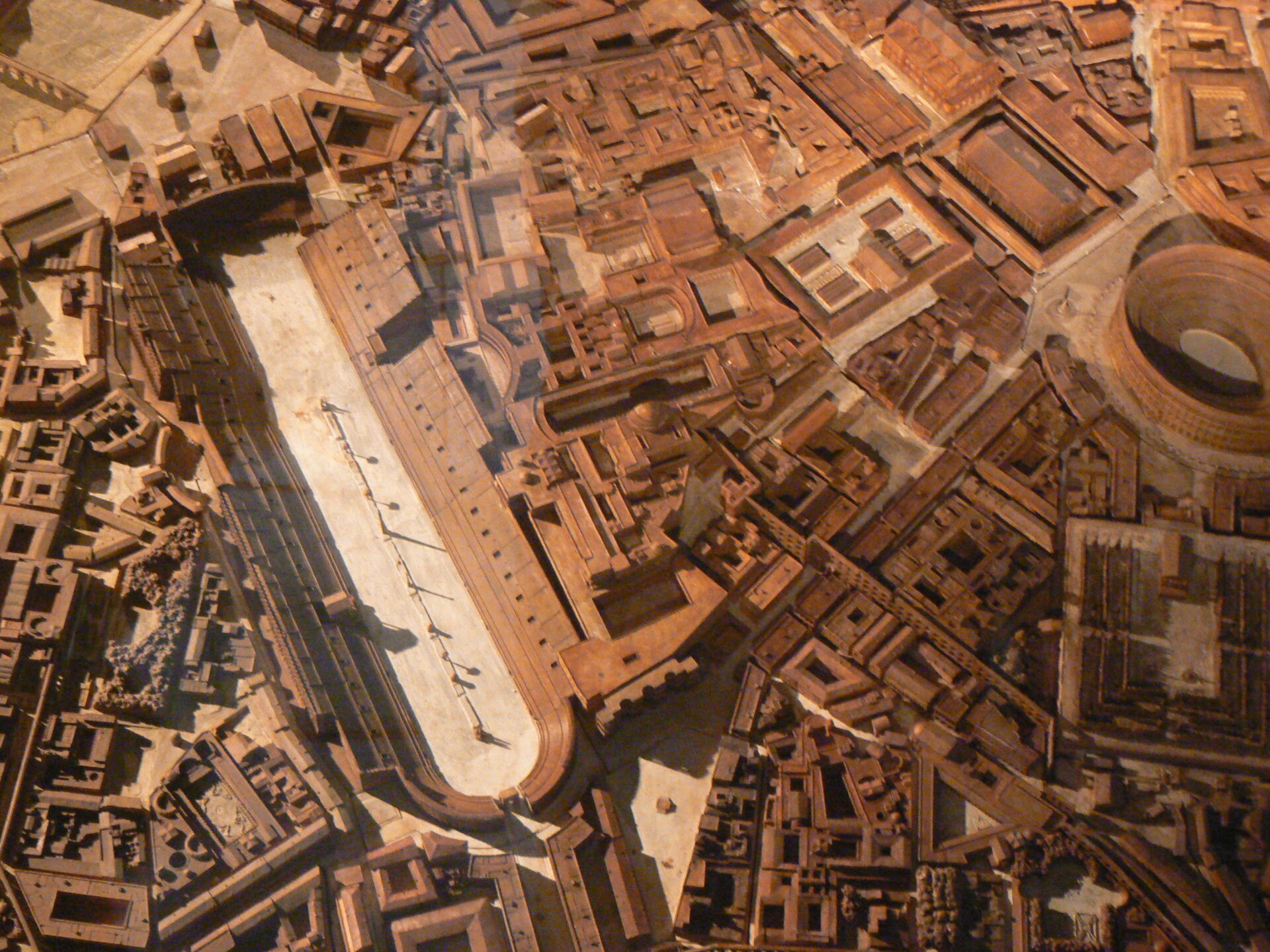
Chariot racing consequently became much more than a competition between drivers. It was a major Roman institution supported by an extensive professional industry and watched by enormous crowds.
The combination of lightweight chariots, powerful horses, aggressive tactics, factional rivalries, and potentially fatal accidents made it one of the most demanding and dangerous sports of the ancient world. For the drivers who mastered it, the rewards could include substantial wealth and fame; for those who failed, the consequences could be fatal.
