
Marcus Atilius Regulus became one of the most enduring figures of Roman moral tradition. A Roman consul and military commander during the First Punic War (264–241 BC), he was remembered not simply for his victories against Carthage but for a story of extraordinary loyalty to Rome and an oath he allegedly refused to break, even at the cost of his life.
His story combines military history with one of antiquity’s most famous examples of fides—the Roman virtue of faithfulness, trustworthiness, and keeping one’s word. However, the details of his captivity, diplomatic mission, and death come primarily from later Roman historical traditions. They cannot all be independently verified.
Rome’s War Against Carthage
The First Punic War began in 264 BC, when Rome and Carthage became embroiled in a struggle for control of Sicily. Carthage was a wealthy maritime power with an extensive trading network, a powerful navy, and territories across the western Mediterranean. Rome, meanwhile, was expanding beyond the Italian peninsula and increasingly competing for influence outside its traditional sphere.
The conflict marked Rome’s first major overseas war. Although the Romans initially lacked Carthage’s naval experience, they gradually developed their maritime capabilities and achieved important victories.
One of the most significant came in 256 BC, when the Roman consuls Marcus Atilius Regulus and Lucius Manlius Vulso defeated a Carthaginian fleet at the Battle of Cape Ecnomus. The Romans subsequently landed an army in North Africa, bringing the war directly to Carthaginian territory.
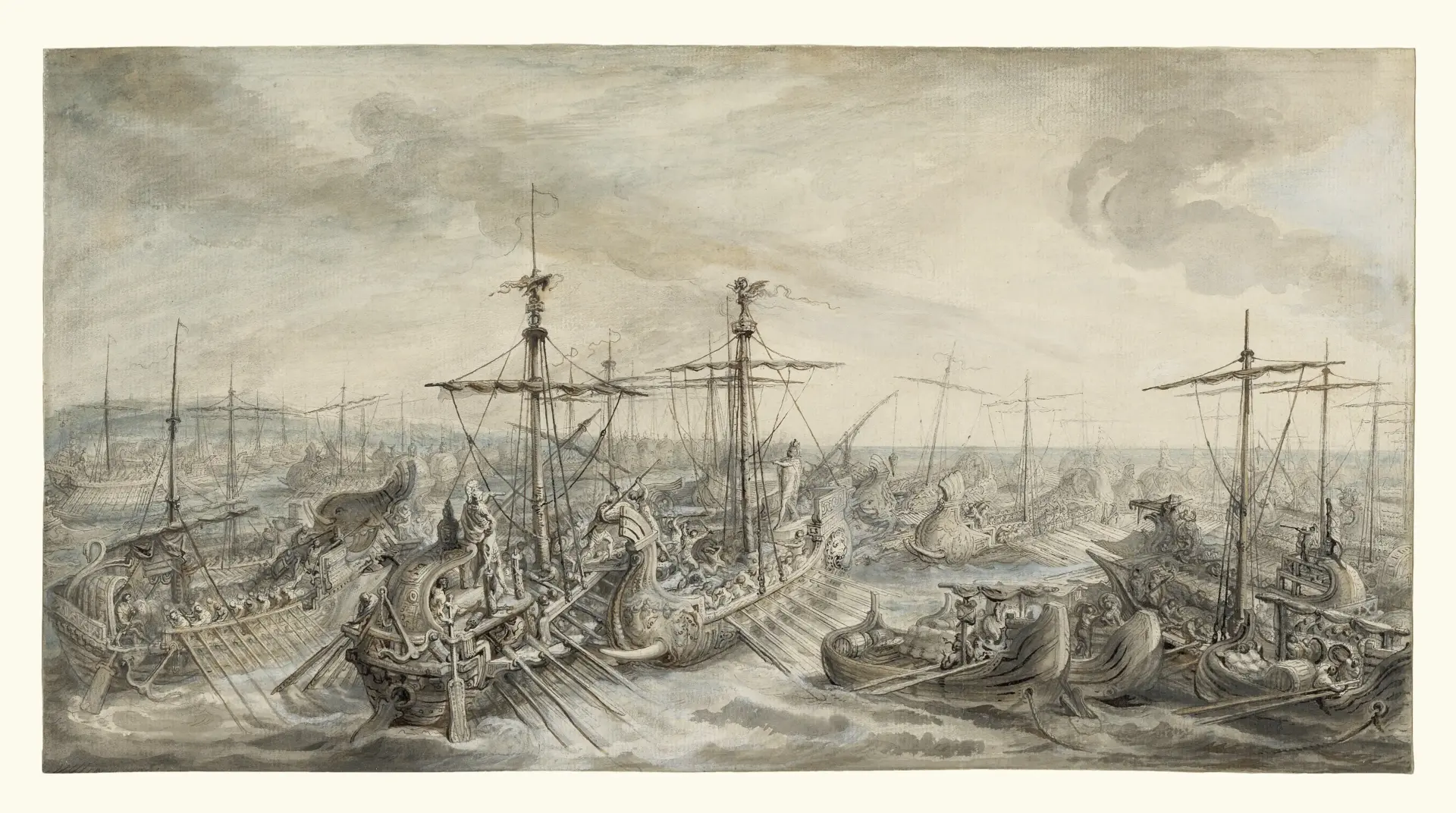
Regulus remained in Africa after his fellow consul returned to Rome. His forces achieved several successes against Carthaginian armies, including a victory near Adys. These defeats placed considerable pressure on Carthage, and its leaders reportedly began considering peace negotiations.
However, the war was far from over. Rome had not conquered Carthage, and the Carthaginian state retained substantial military and economic resources.
The Arrival of Xanthippus and the Defeat of Regulus
The Carthaginians reportedly sought outside military expertise to reverse their deteriorating position. They brought in Xanthippus, a Spartan commander whose military experience helped reorganize their forces.
In 255 BC, Xanthippus confronted the Roman army near Tunis, in what is commonly called the Battle of Tunis or the Battle of Bagradas.
The Carthaginian army made effective use of its cavalry and war elephants, exploiting the open terrain against the Roman infantry. The elephants disrupted the Roman formations, while Carthaginian cavalry attacked the Roman forces from the flanks.
The result was a devastating Roman defeat. Regulus was captured, and much of his army was destroyed. Ancient accounts differ in their descriptions of the casualties, so precise figures should be treated cautiously.
The reversal was particularly significant because Regulus had previously enjoyed considerable success in the African campaign. His defeat demonstrated how quickly military fortunes could change during the First Punic War.
The surviving Roman forces eventually withdrew or were evacuated, while Regulus remained a prisoner of Carthage.
The Captive General and the Famous Oath
What happened to Regulus after his capture is less certain than the military events surrounding his defeat.
According to the traditional account, he remained in Carthaginian captivity for several years. Around 250 BC, the Carthaginians sent him to Rome as part of a diplomatic mission intended to negotiate either peace or an exchange of prisoners.
There was an important condition attached to his release: Regulus supposedly swore an oath that he would return to Carthage if the Roman Senate rejected the proposed agreement.
This episode became central to his reputation in Roman literature.
The Carthaginians hoped that Regulus’s presence in Rome would help persuade the Senate to accept their proposals. As a former consul and respected military commander, he carried considerable symbolic weight.
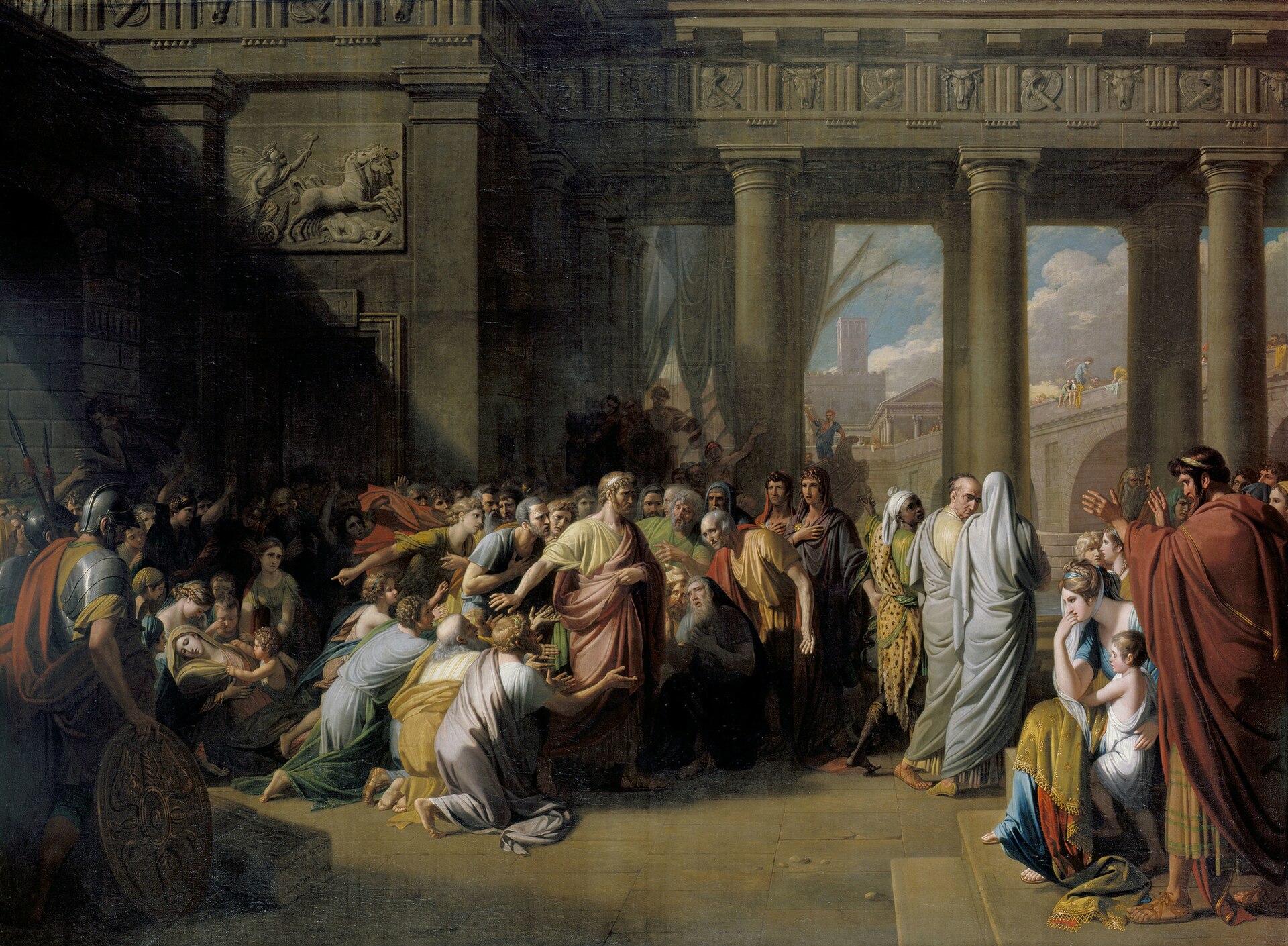
However, the traditional story takes an unexpected turn.
Rather than advocating the Carthaginian position, Regulus reportedly advised the Roman Senate to reject both peace negotiations and the proposed prisoner exchange.
According to the account preserved by the Roman statesman and philosopher Cicero, Regulus believed that accepting the exchange would benefit him personally but would not serve Rome’s interests.
Cicero recounts that Regulus argued against returning the Carthaginian prisoners because they were younger and potentially more valuable to their country’s military efforts. Regulus, by comparison, was already an older man who had lost his army and his freedom.
There is another important detail in Cicero’s version: Regulus refused to cast a vote in the Senate because he considered himself still bound by his oath to the enemy.
The story presented him with a choice between personal survival and fidelity to his sworn word.
Why Regulus Returned to Carthage
According to the traditional narrative, the Roman Senate followed Regulus’s recommendation and rejected the proposed arrangements.
He was now free to remain in Rome, surrounded by his family and fellow citizens. Yet his oath supposedly required him to return to Carthage.
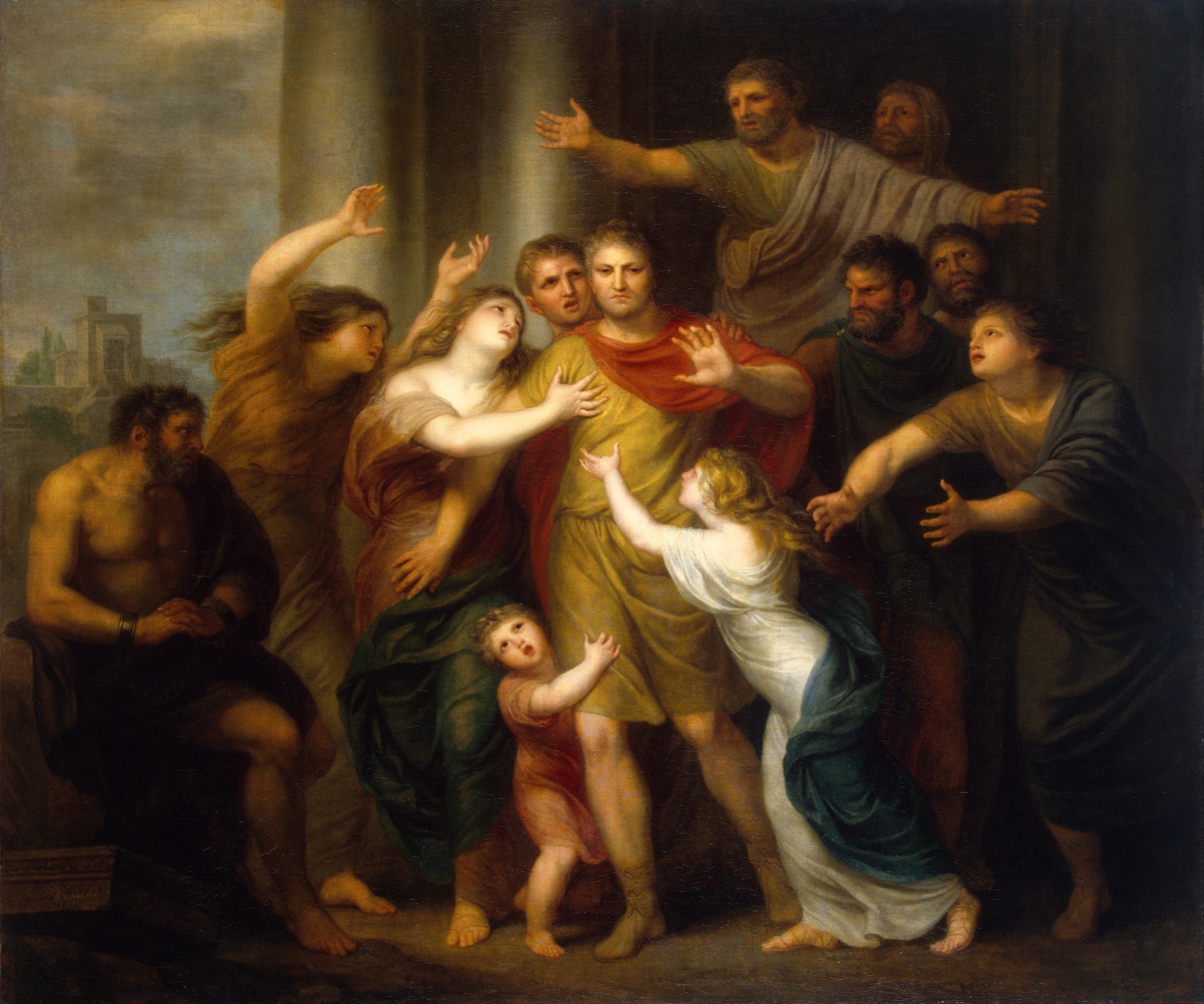
His friends and relatives reportedly attempted to persuade him to stay. Returning meant surrendering his freedom and facing the possibility of severe punishment.
Nevertheless, Regulus returned.
For Roman writers, this decision represented the highest expression of fides, the obligation to honor promises and agreements, even when doing so brought personal suffering.
It also illustrated constantia, the quality of steadfastness in the face of adversity. Regulus’s conduct became an example of how a Roman citizen was expected to subordinate personal advantage to moral duty.
Cicero used the episode in his philosophical work De Officiis (On Duties), written in 44 BC. He presented Regulus as an example of the conflict between what appeared personally advantageous and what was morally right.
The story was particularly useful to Roman moral teaching because Regulus had supposedly kept his promise even though it had been made to an enemy.
The Legend of Regulus’s Torture and Death
The traditional story does not end with Regulus’s return.
Roman accounts claim that the Carthaginians, angered by his role in rejecting their proposals, subjected him to an exceptionally cruel death.
Later versions describe horrific punishments, including mutilation of his eyelids and exposure to intense sunlight. Other traditions describe his confinement in a barrel or box lined with nails.
These details should not be treated as established historical facts.
The earliest reliable historical narrative of the First Punic War, written by the Greek historian Polybius, provides a detailed account of Regulus’s defeat and capture but does not confirm the famous embassy and torture story.
Livy’s surviving summary, known as the Periochae, does recount his diplomatic mission, return to Carthage, and execution. Cicero also discusses the episode, particularly its moral significance.
However, these accounts were written or preserved long after the events themselves. Historians therefore distinguish the well-established military defeat and capture from the much less certain details of his later life.
It is possible that Regulus died in Carthaginian captivity, but the precise circumstances of his death remain unknown.
Regulus and the Roman Ideal of Honor
Regardless of how much of the traditional story is historically accurate, Regulus became one of the most celebrated examples of Roman virtue.
His reputation rested on several qualities that Roman authors considered essential to public life.
-
Fides: Faithfulness to promises, agreements, and sworn oaths.
-
Virtus: Courage, excellence, and the qualities expected of a Roman man, particularly in military service.
-
Constantia: Steadfastness and the ability to remain committed to one’s principles despite adversity.
-
Pietas: A sense of duty toward family, community, and the gods.
Regulus became particularly important in discussions of fides. His willingness to return to captivity illustrated the Roman belief that a promise remained binding even when keeping it was personally disastrous.
His story also served a political and cultural purpose. Roman writers frequently used historical examples to demonstrate the qualities that supposedly distinguished exemplary Roman citizens from others.
In 44 BC, Cicero revisited Regulus’s conduct in De Officiis, making the episode part of a wider philosophical discussion about moral obligations and personal advantage. The poet Horace also celebrated Regulus in his Odes (3.5), reinforcing his reputation as a symbol of Roman endurance.
However, it is important to recognize that these works reflect Roman moral ideals rather than providing independent confirmation of every detail of Regulus’s life.
The First Punic War Continued Without Him
Regulus’s story unfolded during a conflict that would fundamentally change Rome’s position in the Mediterranean.
Despite the Roman defeat in Africa, the First Punic War continued until 241 BC. Rome gradually recovered from its setbacks and rebuilt its naval strength.
The decisive turning point came at the Battle of the Aegates Islands in 241 BC, where a Roman fleet defeated the Carthaginian navy. Carthage subsequently sought peace and accepted terms that included abandoning Sicily and paying an indemnity.
Rome emerged as the dominant power in Sicily, establishing its first overseas province and beginning a new phase of territorial expansion.
The war did not end with the destruction of Carthage, however. The two powers remained rivals, eventually fighting the Second Punic War (218–201 BC), during which Hannibal famously invaded Italy.
A Roman Hero Between History and Legend
Marcus Atilius Regulus occupies an unusual place in Roman history. His military career and capture during the First Punic War are historically established, but the famous account of his diplomatic mission, voluntary return to captivity, and elaborate torture remains disputed.
The absence of confirmation in Polybius, the earliest surviving major historian of the conflict, is particularly significant.
Nevertheless, Regulus became much more than a defeated Roman commander. His story survived because it expressed an ideal that Roman authors considered fundamental to their civilization: a person’s word should remain sacred, even when keeping it demands the ultimate sacrifice.
Whether every detail happened as later Romans described it is impossible to establish. What is certain is that Regulus became an enduring symbol of fides, demonstrating how historical figures could acquire a second life as examples of Roman morality.
His legacy is therefore not simply the story of a general who lost a battle. It is the story of a man whose reputation came to rest on the belief that honor and duty were worth more than personal survival.
