
The Roman Empire at its territorial height under Emperor Trajan, around AD 117, encompassed a vast network of provinces stretching from Britain and the Iberian Peninsula to the eastern Mediterranean, North Africa, and parts of Western Asia. Its territories covered much of the ancient world’s political, commercial, and cultural crossroads, connecting regions that today belong to dozens of independent nations.
More than 1,900 years later, these former imperial territories remain home to some of the world’s largest sporting venues. Modern football stadiums, with their enormous capacities, national significance, and role in public life, offer an intriguing way to reconsider the geographical legacy of Roman rule.
A presentation by SYM Stadiums explores this connection by identifying a modern stadium for each of 47 provinces associated with the Roman Empire at its greatest territorial extent. The selection draws on stadiums hosting national teams or major clubs, alongside venues scheduled to open within two years of the presentation. The result is a contemporary sporting tour through the lands once governed by Rome.
However, the comparison is geographical rather than a direct historical equivalence. Roman provinces changed over time, and the empire’s administrative boundaries did not correspond to modern national borders. The selection should therefore be understood as a modern reconstruction of Roman provincial geography, not a definitive map of the empire’s administrative structure in AD 117.
Western Europe: Britain, Gaul, and the Germanic Frontier
Britannia — Wembley Stadium, London, United Kingdom (90,000 seats)
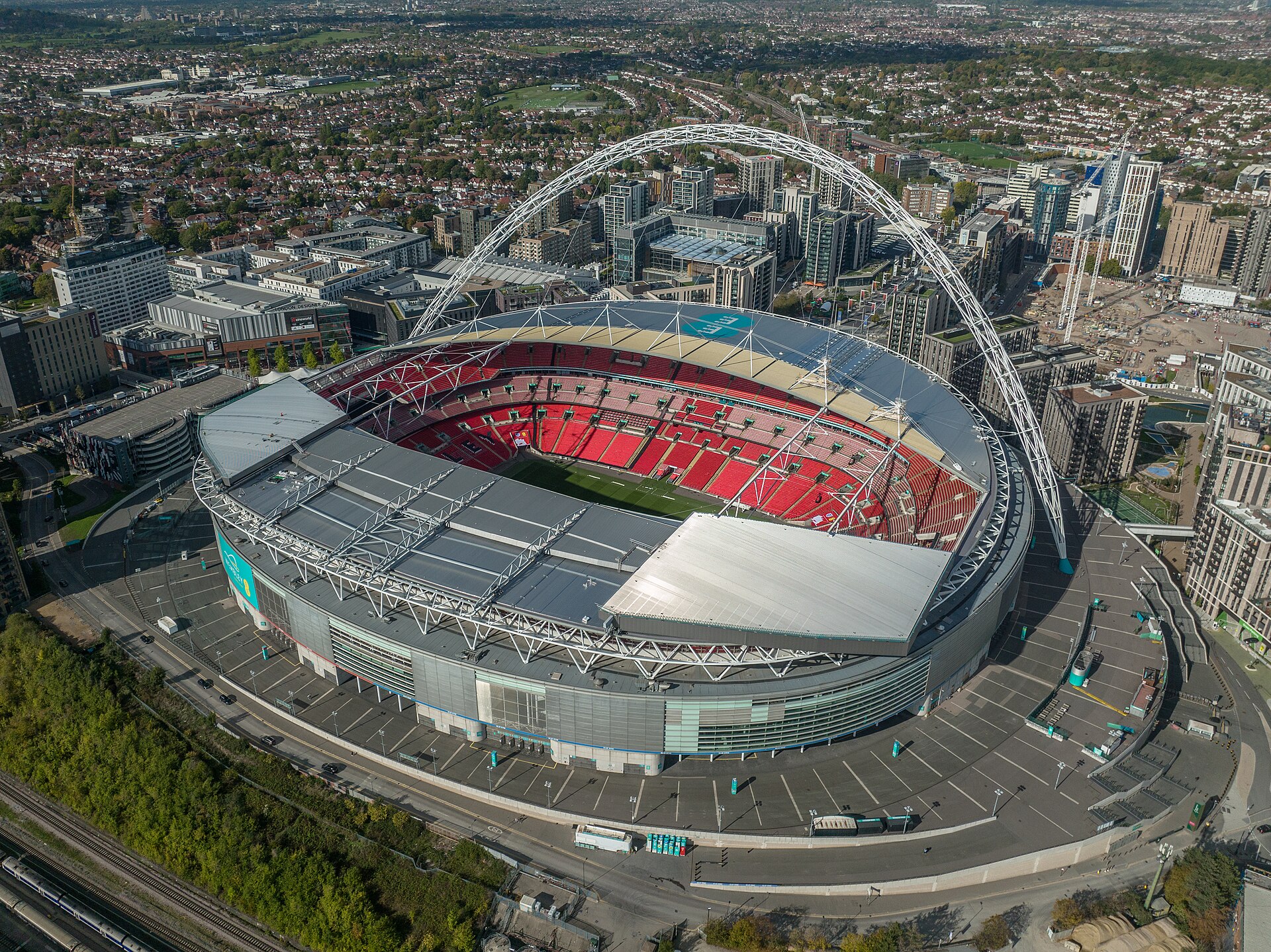
England’s national stadium represents Britannia, the Roman province established in southern Britain after the invasion of AD 43. Wembley hosts major international football matches and finals, making it one of the most prominent sporting venues in the former Roman world.
Gallia Lugdunensis — Stade de France, Saint-Denis, France (81,338 seats)
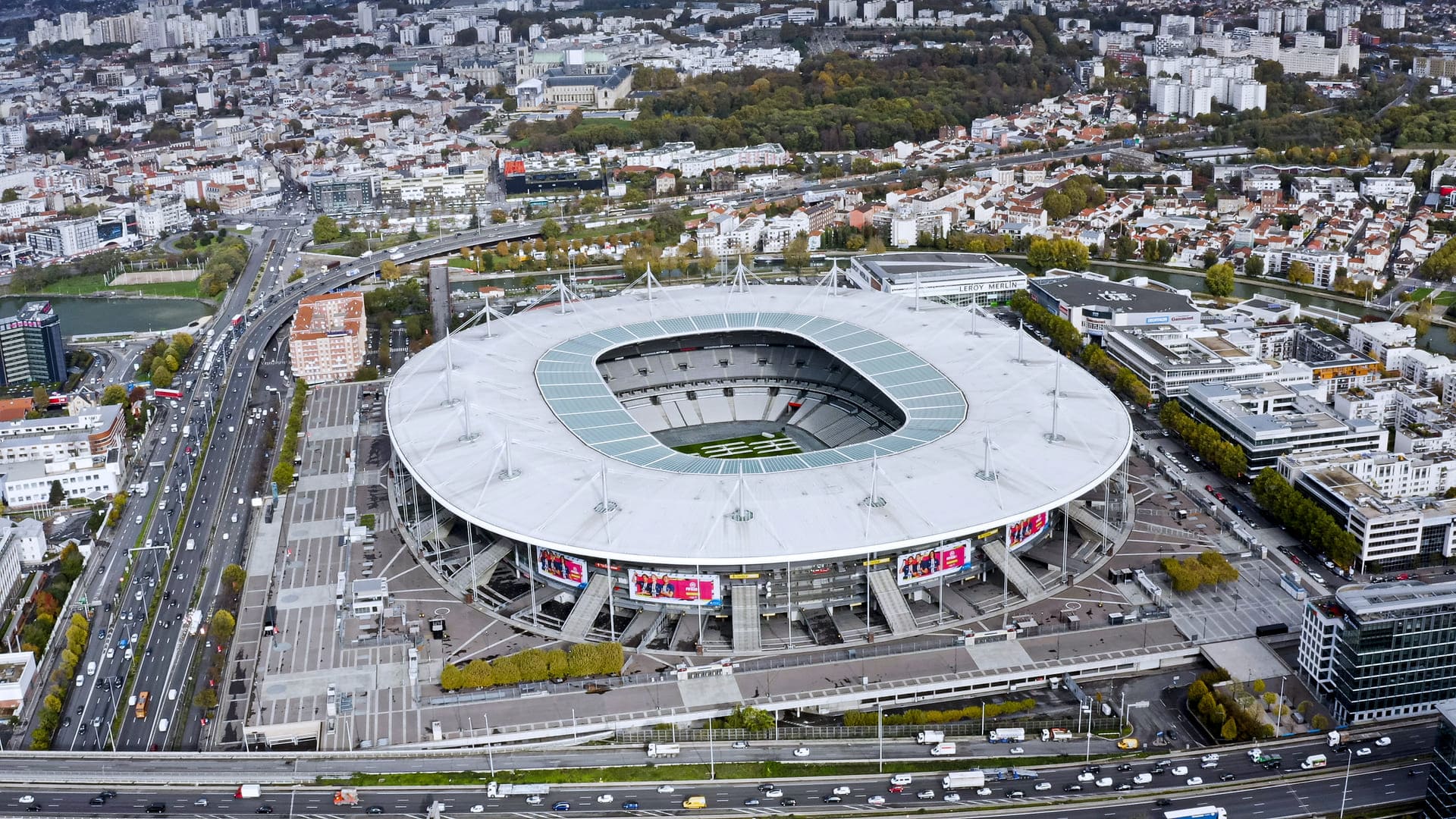
The Stade de France serves as a major venue for French football and rugby. Its selection highlights the sporting importance of the region corresponding broadly to Roman Gaul, although the ancient province of Gallia Lugdunensis was centered on Lugdunum, modern Lyon, rather than Paris.
Raetia — Allianz Arena, Munich, Germany (75,024 seats)
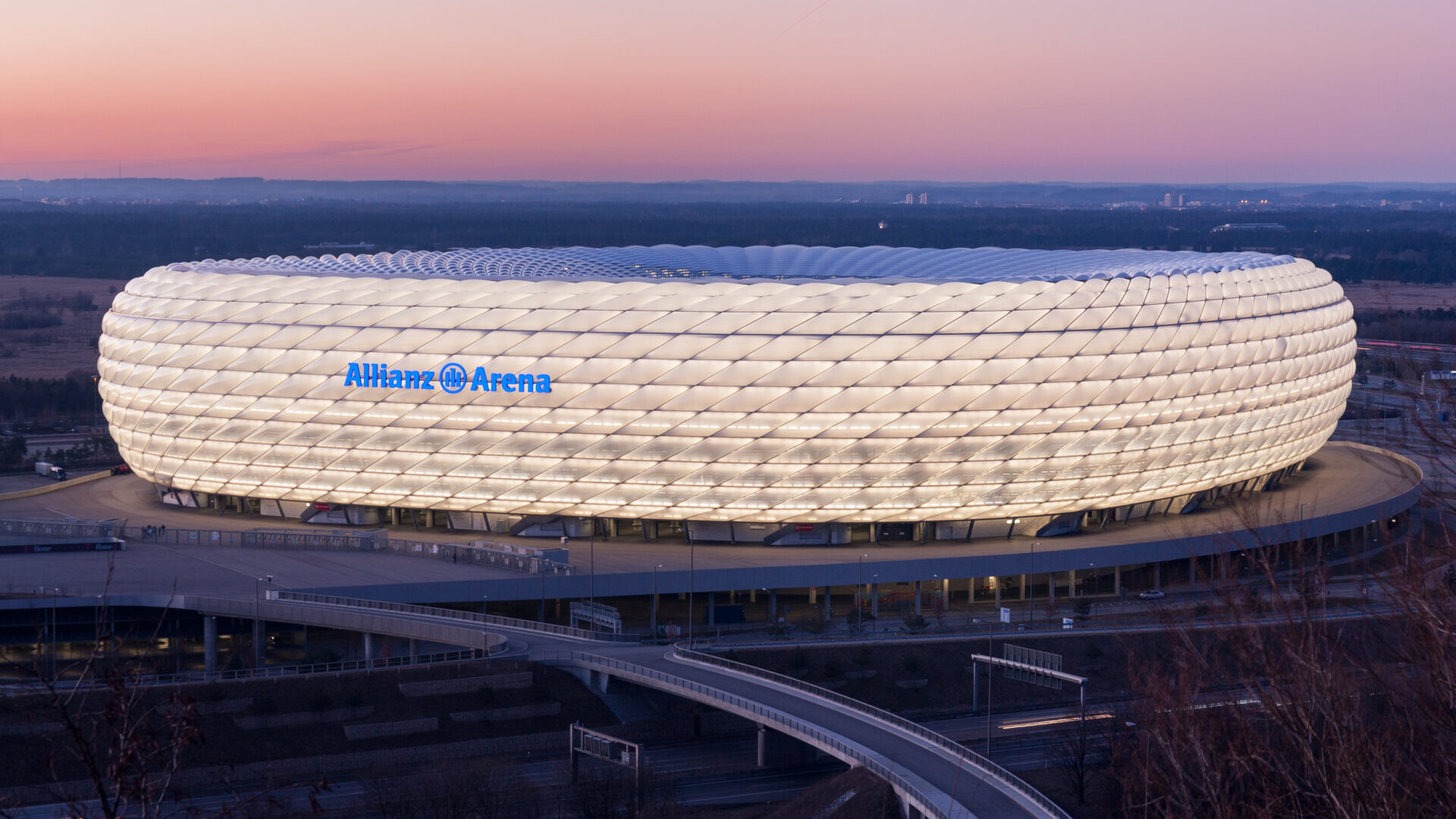
Home to Bayern Munich, the Allianz Arena represents a region that once marked part of Rome’s northern Alpine frontier. Raetia connected Alpine routes and settlements with the Danube frontier, serving an important strategic role in the empire’s continental defenses.
Italia — San Siro, Milan, Italy (75,817 seats)
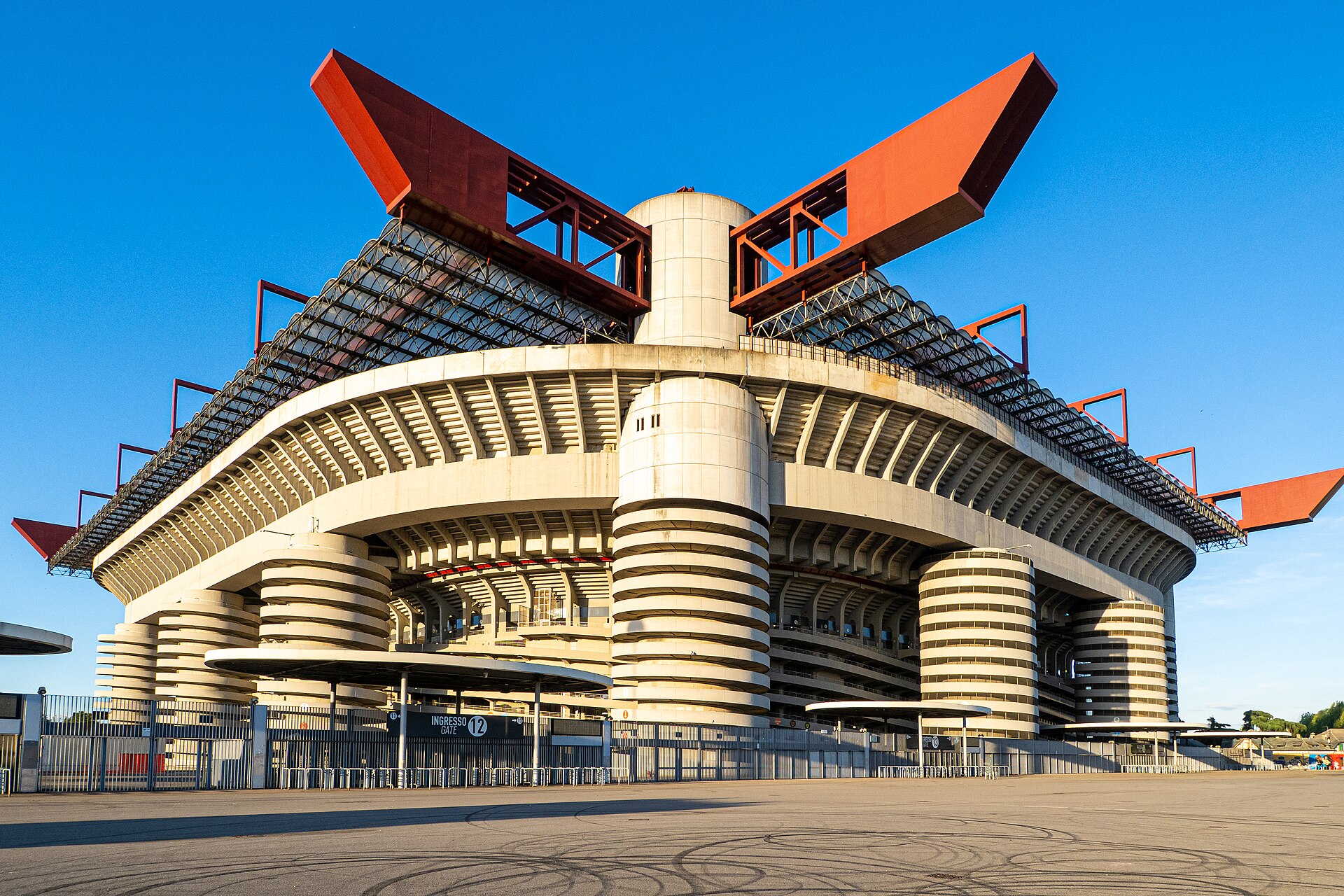
San Siro is associated with AC Milan and Inter Milan and has hosted major domestic and international football events. Its inclusion reflects the enduring prominence of northern Italy, although the historical designation Italia encompassed a much larger territory than the modern city of Milan.
Other western European selections include the Stade Vélodrome in Marseille for Gallia Narbonensis, the Stade Pierre-Mauroy in Lille for Gallia Belgica, the Matmut Atlantique in Bordeaux for Gallia Aquitania, the Merkur Spiel-Arena in Düsseldorf for Germania Inferior, and the MHP Arena in Stuttgart for Germania Superior.
In the Iberian Peninsula, the list features Camp Nou in Barcelona for Hispania Tarraconensis, Estadio La Cartuja in Seville for Hispania Baetica, and Estádio da Luz in Lisbon for Lusitania. The selection also includes the Allianz Riviera in Nice for Alpes Maritimae and the Stade de Tourbillon in Sion for the Alpine region associated with Alpes Poeninae.
Central Europe and the Danube Provinces
Pannonia Inferior — Puskás Aréna, Budapest, Hungary (67,215 seats)
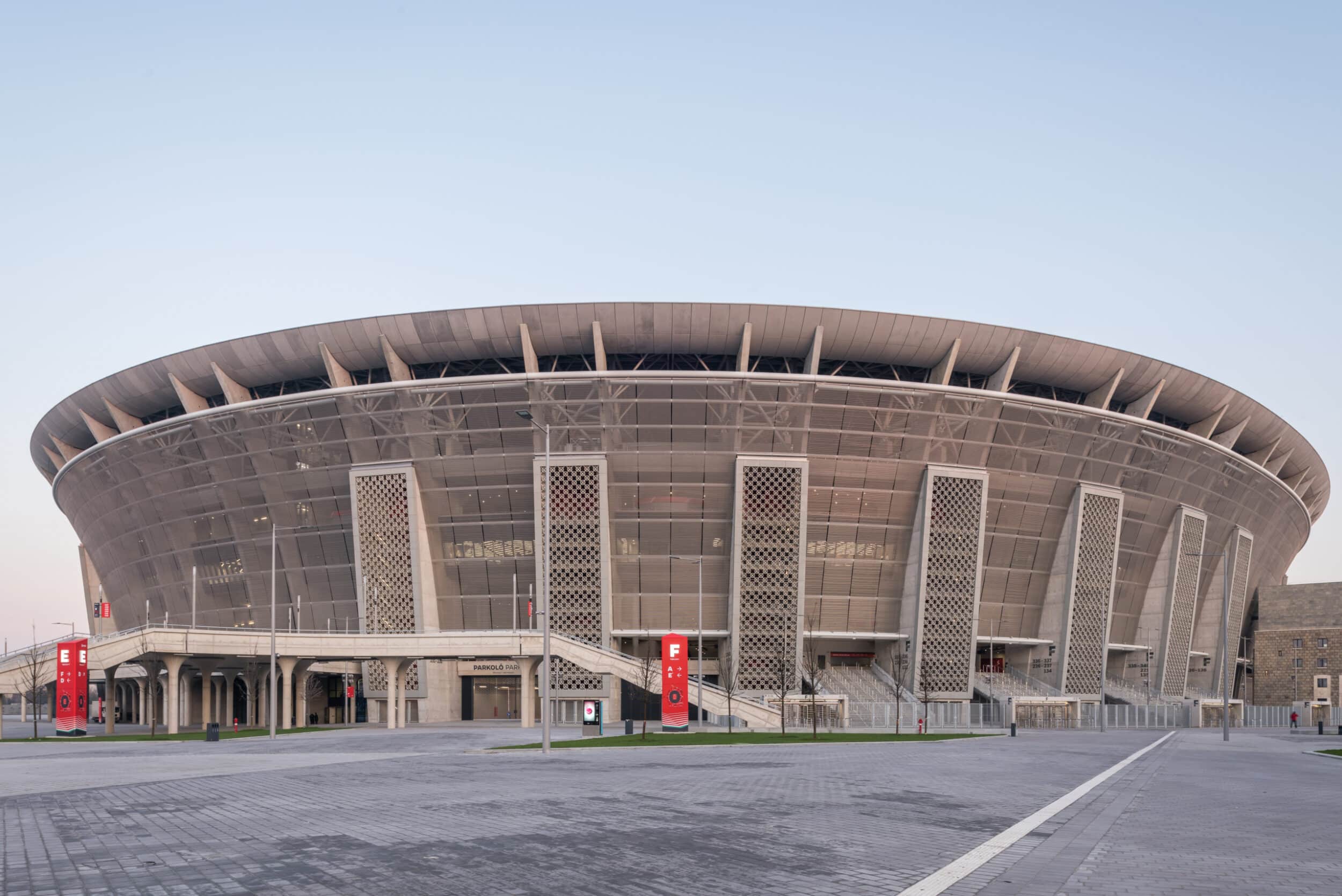
Hungary’s national stadium is one of the largest venues in Central Europe. Ancient Pannonia occupied territory around the middle Danube, where Roman settlements, military camps, and frontier roads helped maintain imperial control.
Moesia Inferior — Arena Națională, Bucharest, Romania (55,634 seats)
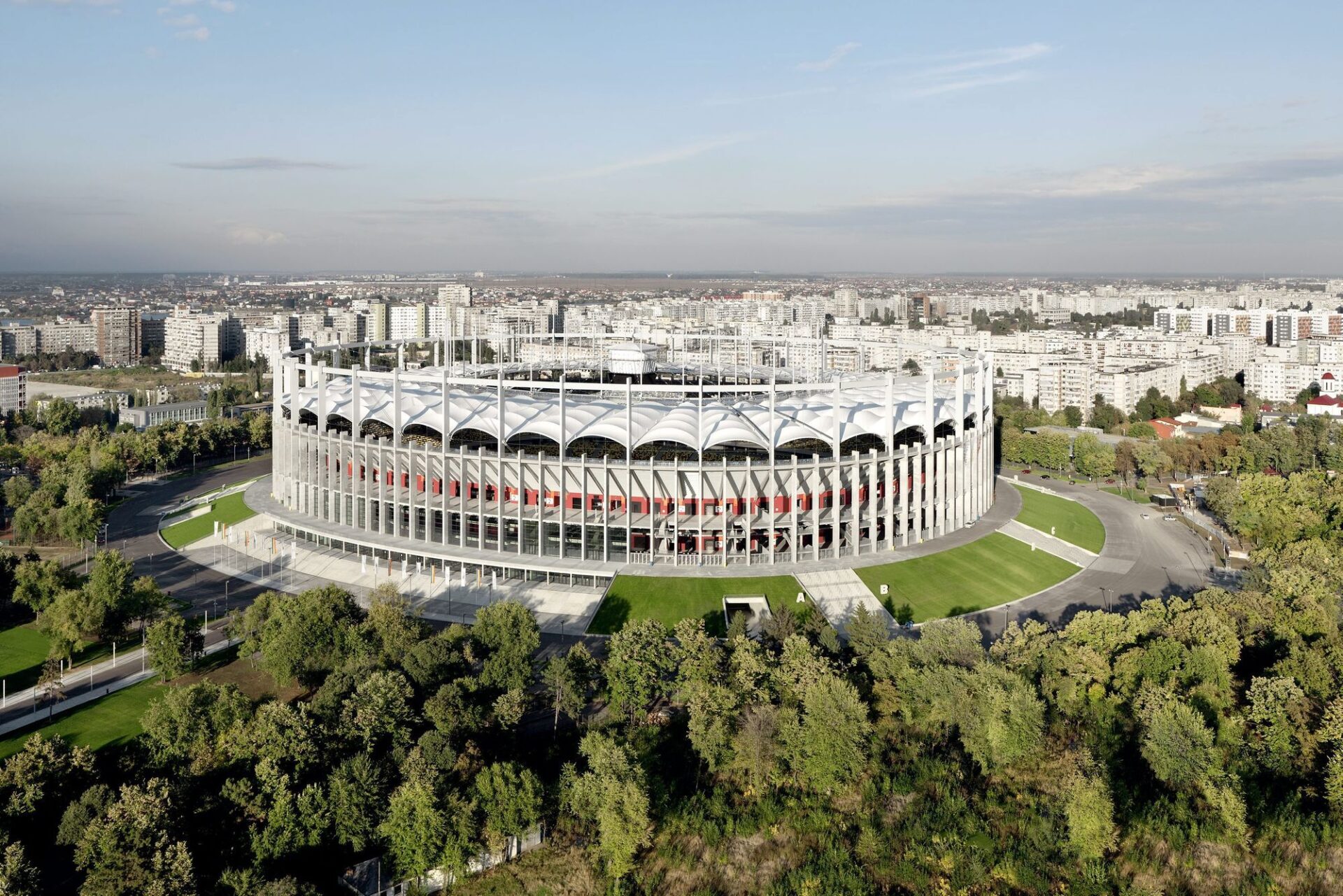
The Romanian national stadium represents the wider Lower Danube region, where Roman armies confronted and negotiated with populations beyond the imperial frontier. Its modern role in international football contrasts with the ancient area’s strategic military significance.
Other Central and southeastern European venues include the Ernst-Happel-Stadion in Vienna for Pannonia Superior, the Wörthersee Stadion in Klagenfurt for Noricum, the Stadion Rajko Mitić in Belgrade for Moesia Superior, the Stadion Poljud in Split for Dalmatia, and the Ion Oblemenco Stadium in Craiova for Dacia.
The Hungarian, Romanian, Serbian, Croatian, Austrian, and Swiss venues collectively illustrate the geographical breadth of Rome’s continental frontier. Dacia is particularly notable because Emperor Trajan conquered it in the early second century, bringing much of present-day Romania under Roman administration before the province was eventually abandoned in the third century.
Greece, the Balkans, and the Aegean
Achaea — Athens Olympic Stadium, Athens, Greece (69,618 seats)
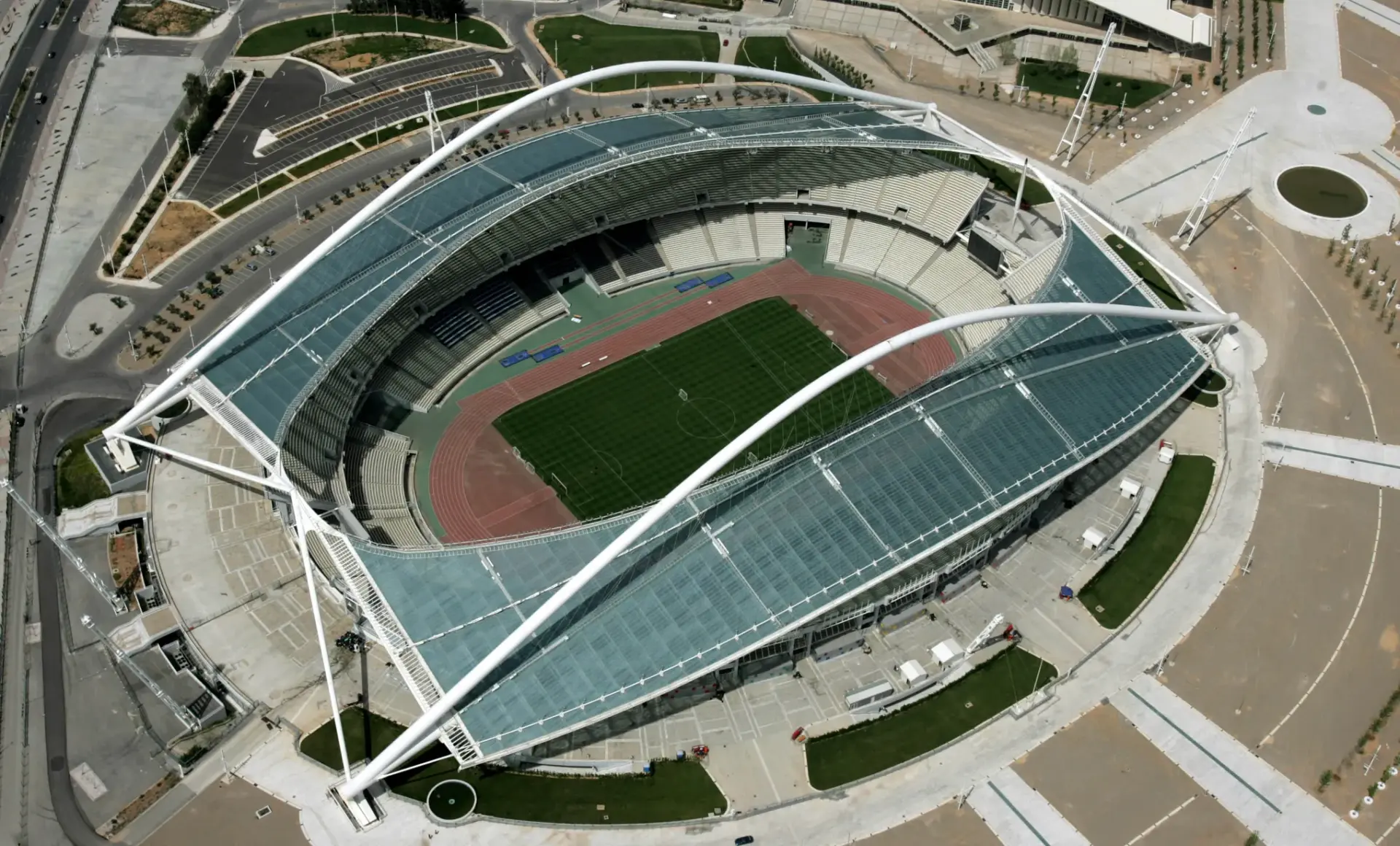
The Athens Olympic Stadium, part of the Olympic Athletic Center of Athens, represents the Greek heartland. Ancient Achaea was a Roman province in the northern Peloponnese, while Athens belonged to a different historical region. The stadium is therefore best understood as a modern Greek sporting landmark rather than a precise geographical match.
Thracia — Atatürk Olympic Stadium, Istanbul, Türkiye (77,563 seats)
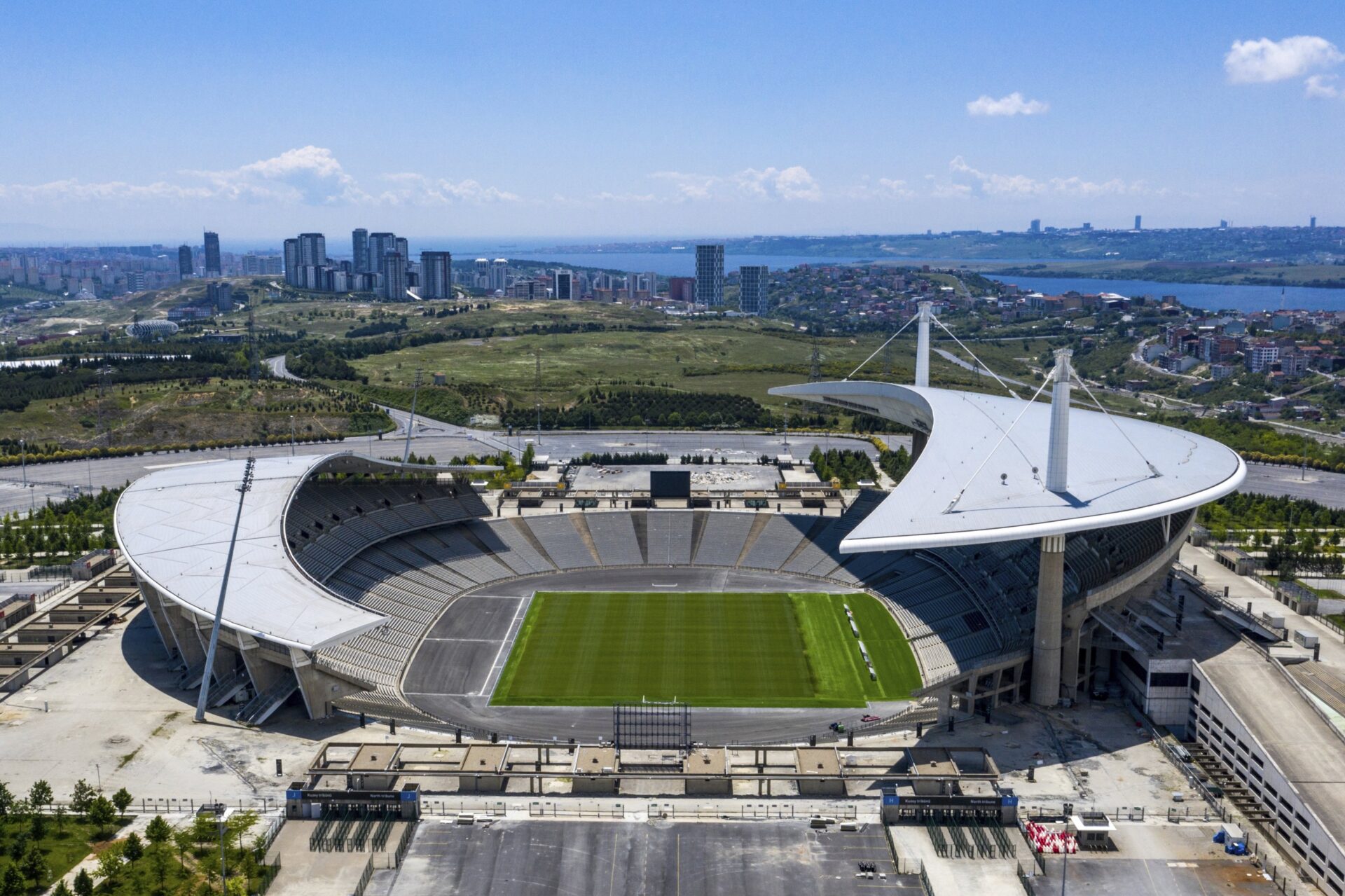
Located in Istanbul, the stadium represents the European and adjacent territories associated with ancient Thrace. The region occupied a strategically important position between the Balkans and the Bosporus, a corridor connecting Europe and Asia.
The remaining Greek and Balkan selections include the Pancretan Stadium in Heraklion for Creta et Cyrenaica, Toumba Stadium in Thessaloniki for Macedonia, and the Tomori Stadium in Berat for Epirus. The GSP Stadium in Nicosia represents Cyprus, while Unipol Domus in Cagliari represents Corsica and Sardinia.
These regions occupied an important place in Roman maritime networks. Greece and the Aegean provided access to the eastern Mediterranean, while the Balkan provinces supported the movement of troops and goods along the empire’s land frontiers.
Anatolia and the Eastern Mediterranean
Modern Türkiye accounts for numerous entries because much of Anatolia formed a core part of the Roman Empire’s eastern territories.
The presentation identifies İzmir Atatürk Stadium for Asia, Kâzım Karabekir Stadium in Erzurum for Armenia, Şenol Güneş Sports Complex in Trabzon for Cappadocia, the New Adana Stadium for Cilicia, and Şükrü Saracoğlu Stadium in Istanbul for Bithynia et Pontus.
Antalya Stadium represents Lycia et Pamphylia, while a planned stadium in Ankara is assigned to Galatia. These associations are broad geographical approximations: several of the modern cities lie outside the boundaries of the ancient provinces to which they are assigned.
Judaea — Teddy Stadium, Jerusalem (31,733 seats)
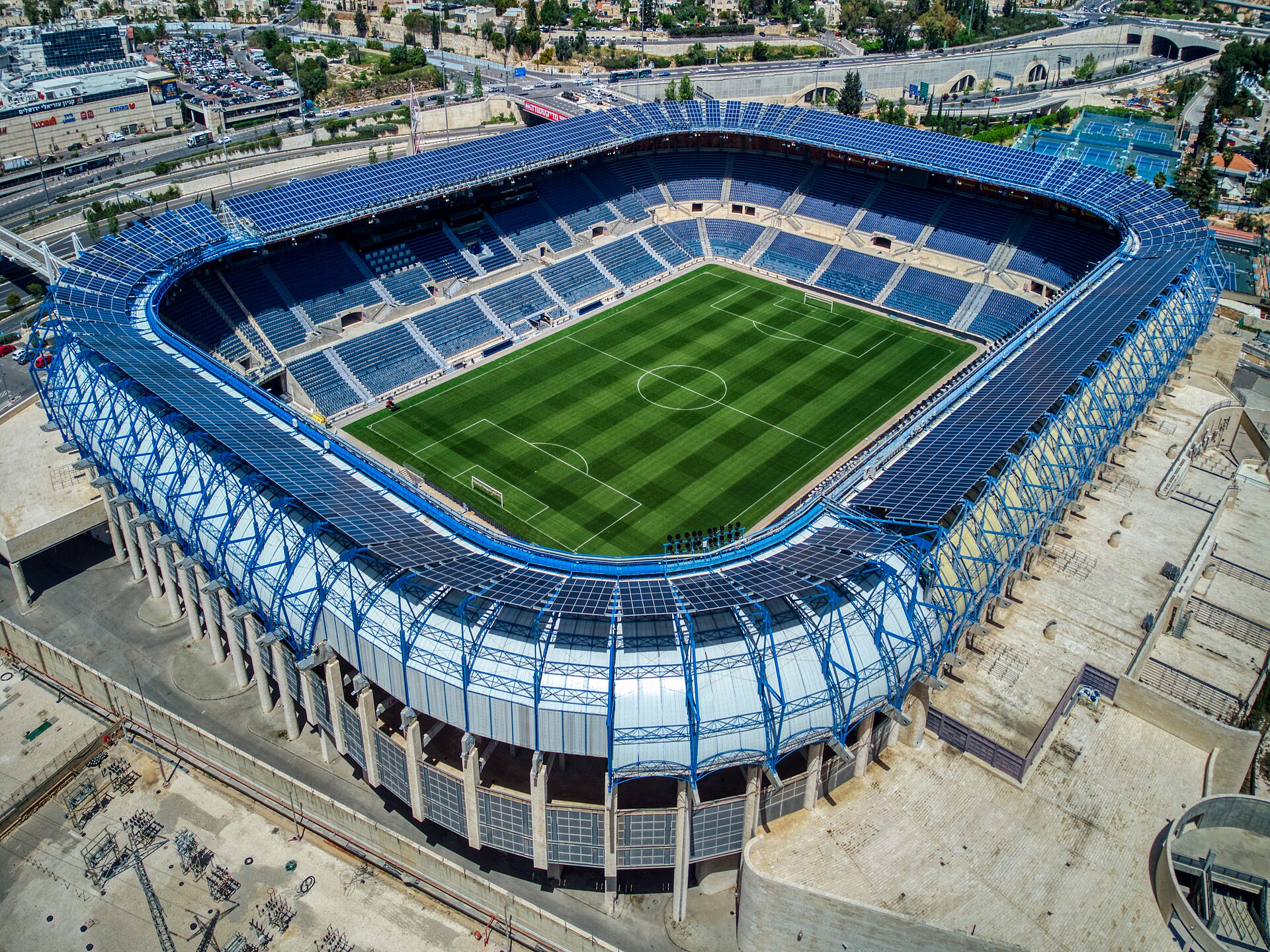
Teddy Stadium is a major Israeli football venue. The historical region of Judaea underwent substantial administrative changes during Roman rule, particularly following the Jewish revolts and the establishment of the province of Syria Palaestina in the second century AD.
Syria — Aleppo International Stadium, Syria (53,200 seats)
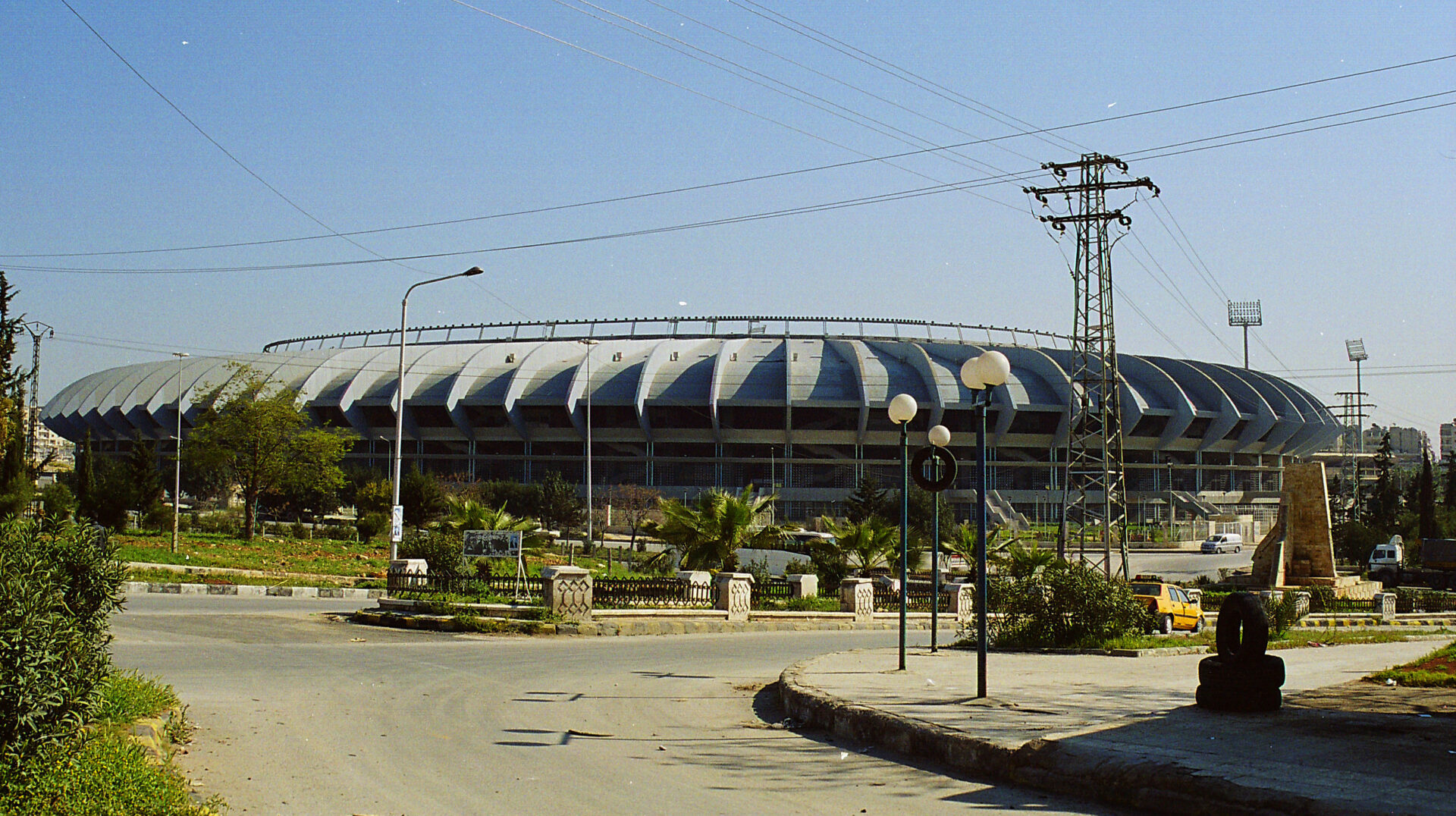
Aleppo International Stadium represents the Syrian interior, a region that became an important center of Roman urban life and commerce. Syria’s position near the empire’s eastern frontier made it significant for trade, administration, and military operations.
The list also includes the planned Mosul International Stadium in Assyria, the Al-Shaab Stadium in Baghdad for Mesopotamia, and Amman International Stadium for Arabia Petraea. These locations emphasize the eastern reach of Roman power under Trajan, whose campaigns briefly extended imperial control into Armenia, Assyria, and Mesopotamia. Those eastern conquests were short-lived, however, and were largely relinquished under his successor, Hadrian.
North Africa: From Egypt to Mauretania
Aegyptus — Misr Stadium, Egypt (93,940 seats)
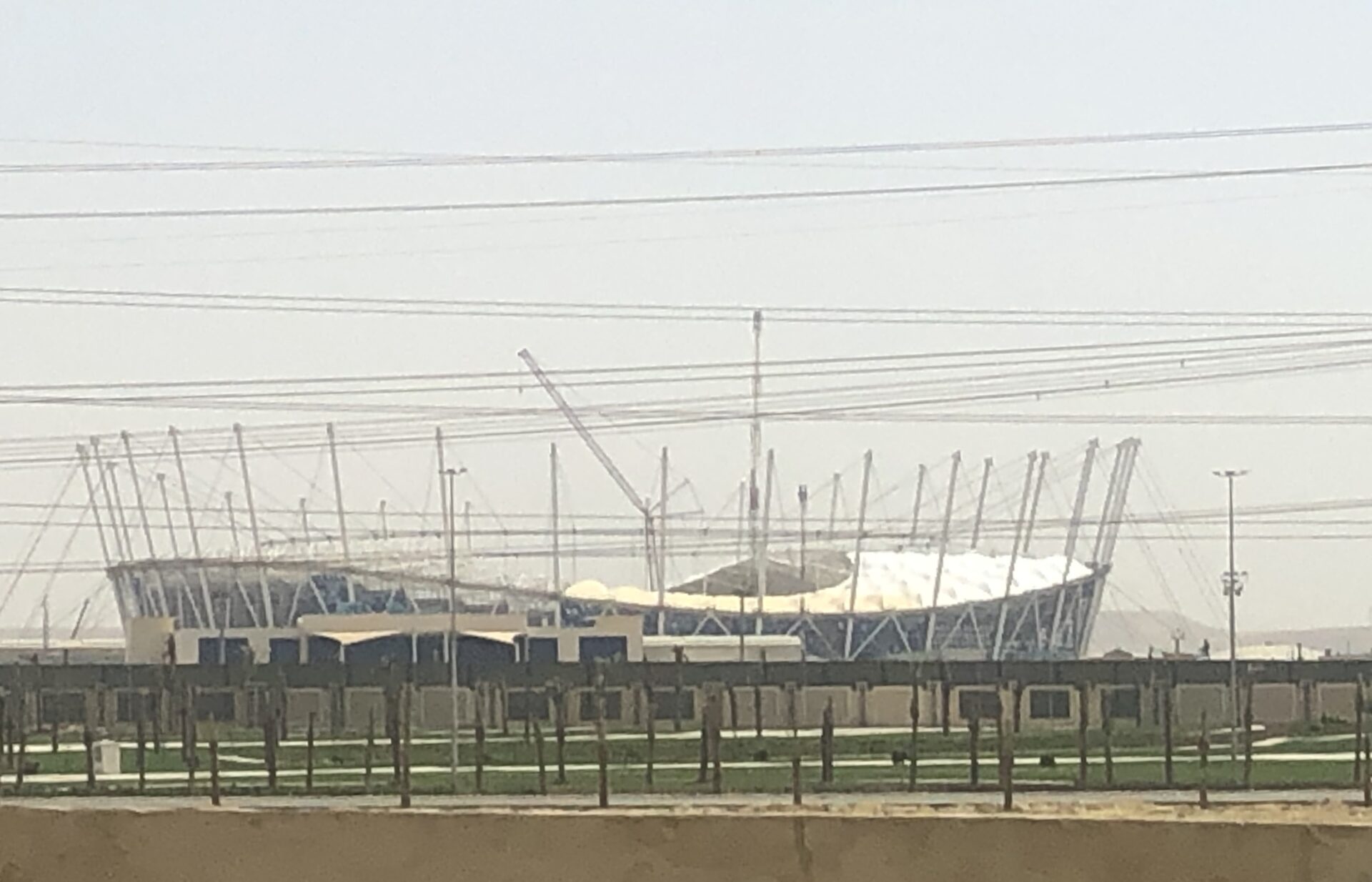
The stadium in Egypt’s New Administrative Capital is one of the largest venues in the presentation. Ancient Egypt was a major source of agricultural wealth and tax revenue for Rome, with Alexandria serving as a crucial Mediterranean port. The modern stadium reflects Egypt’s contemporary investment in large-scale sports infrastructure.
Africa Proconsularis — Stade Olympique de Radès, Tunisia (65,000 seats)
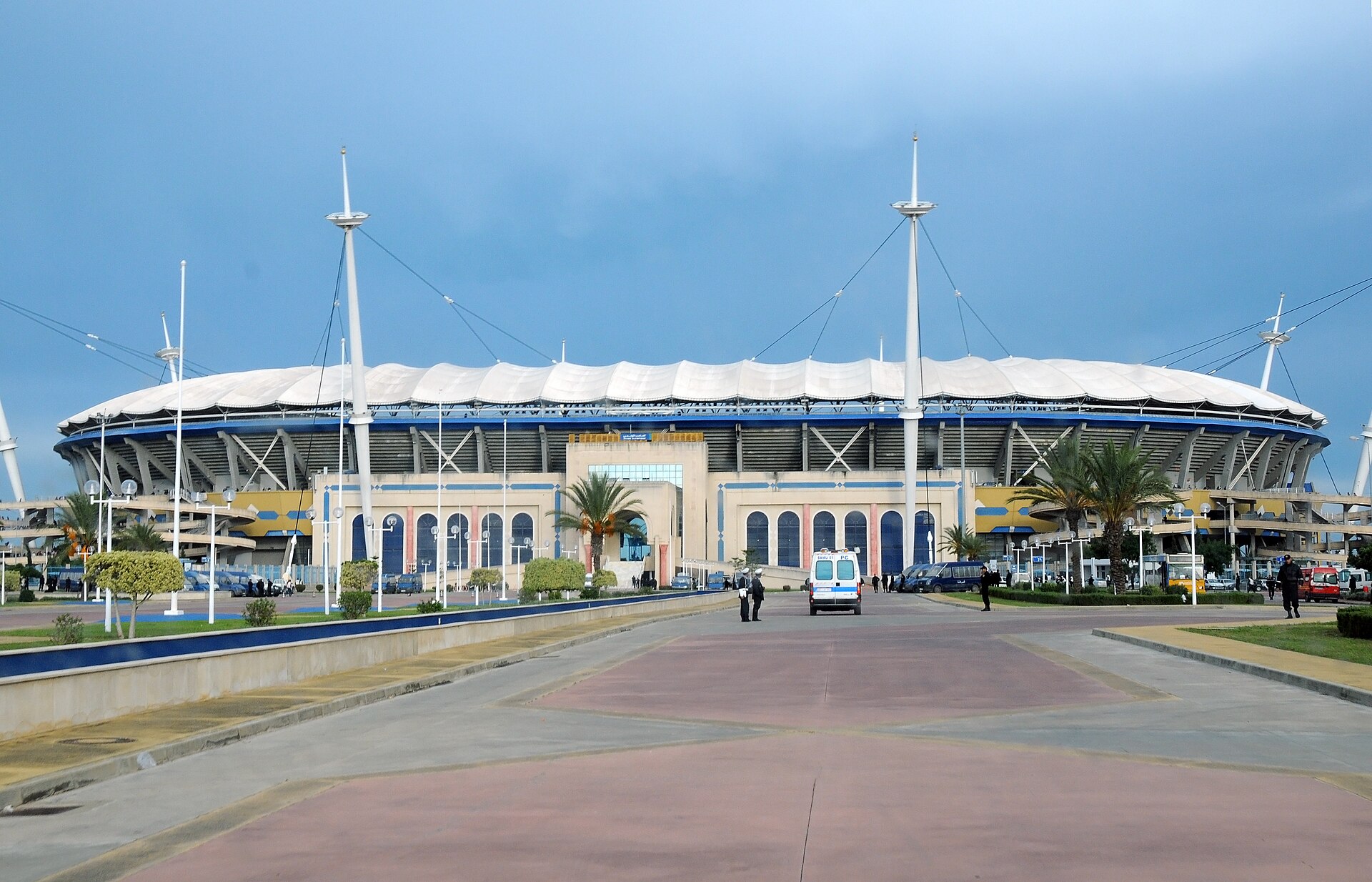
The stadium associated with Tunisian football represents the wider region around ancient Carthage, one of Rome’s most important North African territories. The area supplied agricultural produce and became a major center of urban development under Roman administration.
Mauretania Caesariensis — Stade du 5 Juillet 1962, Algiers, Algeria (64,200 seats)
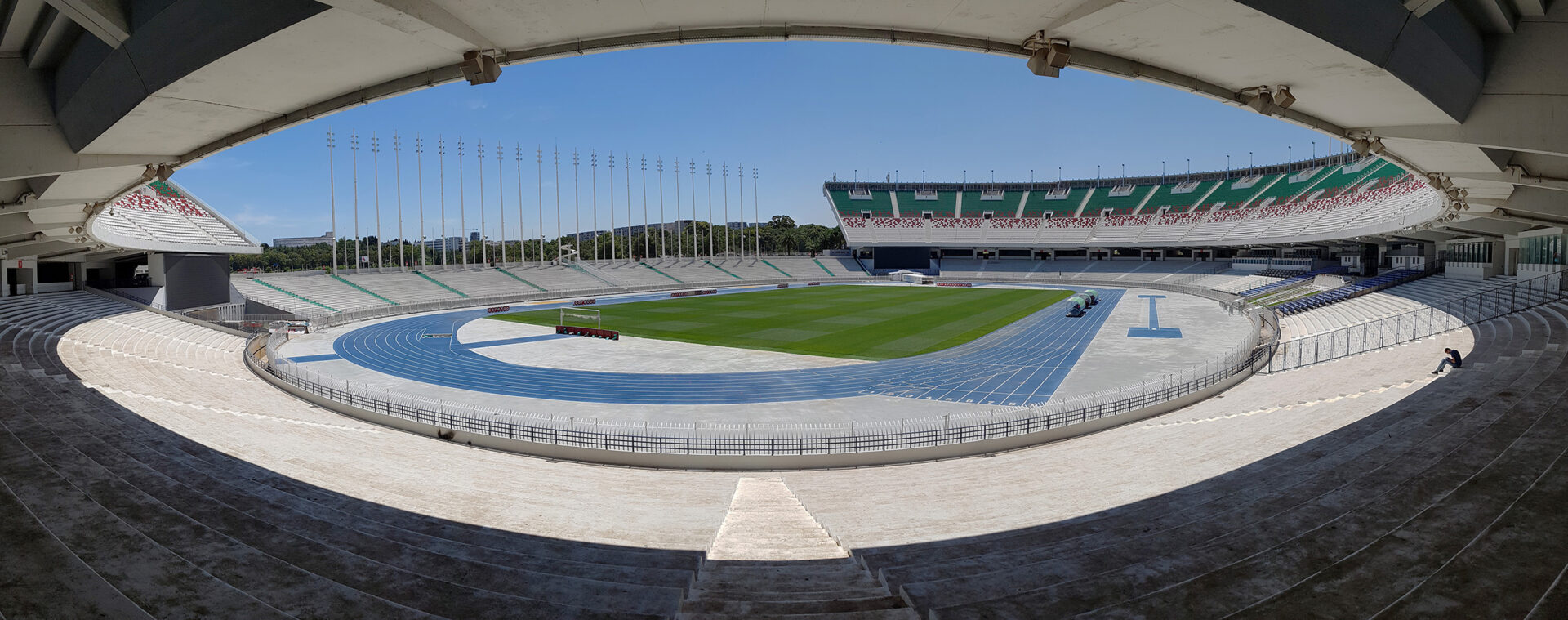
This major Algerian venue represents part of the North African territories incorporated into the Roman provincial system. Mauretania Caesariensis covered areas of present-day northern Algeria, although its boundaries differed from those of modern Algeria.
The remaining African selections include the Benghazi International Stadium in Libya for Cyrenaica and the Ibn Batouta Stadium in Tangier for Mauretania Tingitana. Together, these venues demonstrate the scale of modern football infrastructure across territories that once formed the southern and western edges of the Roman Mediterranean.
What the Stadium Comparison Reveals
The presentation’s largest venues demonstrate how modern national identity and international sport have replaced the political framework of Roman provincial government. Where Roman authorities relied on roads, ports, garrisons, and administrative centers to connect their territories, contemporary societies use stadiums as gathering places for national teams, professional clubs, and major sporting events.
Yet the comparison has important limitations. Stadium capacities are not always directly comparable because published figures may refer to permanent seating, temporary event configurations, or projected capacities following redevelopment. Camp Nou, for example, is undergoing a major renovation intended to increase its eventual capacity to approximately 105,000, but that is not its current operating capacity.
There is also a historical distinction between the empire’s territorial extent and its provincial organization. The year AD 117 is conventionally associated with Rome’s greatest territorial reach, but the eastern conquests of Trajan were temporary, and the number and boundaries of provinces changed over time. A list of 47 modern stadium locations should not therefore be taken as an exact inventory of the empire’s provinces at that date.
Ultimately, the project is most valuable as a geographical thought experiment. It places modern sporting landmarks within the broad footprint of Roman power and invites viewers to consider the extraordinary range of societies that once belonged to a single imperial system. The stadiums are modern creations, but their locations reveal the enduring importance of the Mediterranean and its surrounding regions as centers of population, commerce, political power, and cultural exchange.
