
Rome conquered much of the Mediterranean world, but it never permanently conquered Persia. For more than six centuries, the Roman and Iranian empires competed for control and influence across Mesopotamia, Armenia, Syria, and the Caucasus. The Parthian Empire and its Sasanian successor were not fragmented tribal societies that Rome could gradually absorb. They were organized imperial powers with their own political institutions, economies, military traditions, and concepts of legitimate rule.
Rome’s failure was the result of several interconnected factors: geography, logistics, Persian military tactics, Roman political instability, and the resilience of Persian political and cultural institutions.
Geography and Strategic Depth
The geography east of Rome’s frontier created major difficulties for Roman armies. Forces advancing from Anatolia toward Persia had to cross the Taurus Mountains, Armenian Highlands, and Mesopotamian river systems. These regions complicated movement, communications, and supply.
Mesopotamia presented another challenge. Its open plains favored Persian cavalry, while the Tigris and Euphrates required substantial military resources to control. Persian forces could bypass Roman positions, attack communications, and force Roman armies to operate under difficult climatic conditions.
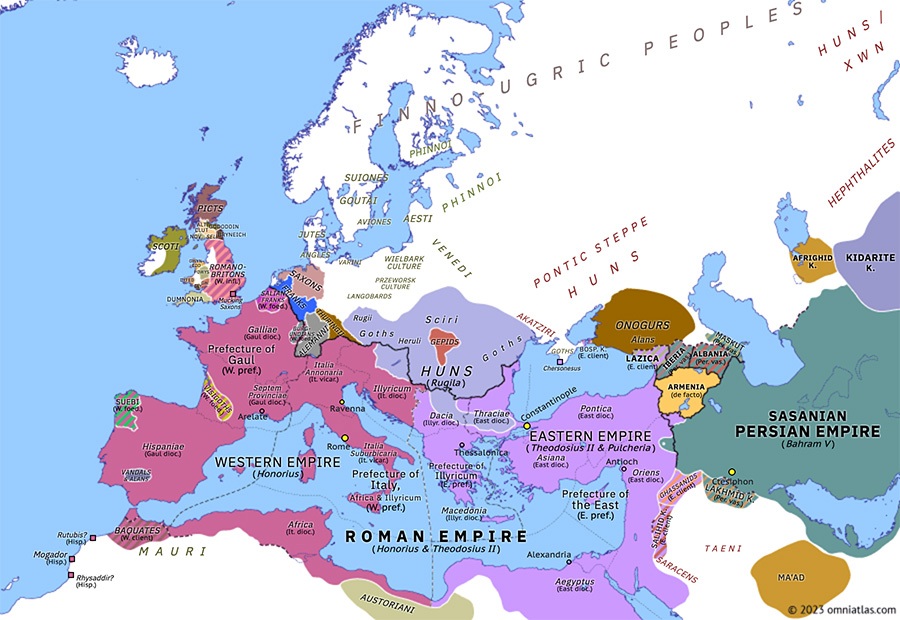
Persia also possessed strategic depth. Roman armies could capture cities without destroying the Persian state. When Trajan captured Ctesiphon and advanced into Parthian territory in AD 116, Rome achieved a major military success, but it could not convert that victory into permanent control.
Logistics
Roman expansion depended on an extensive logistical system of roads, forts, depots, grain supplies, and secure communications. Deep operations in Mesopotamia placed enormous demands on that system.
Food and fodder had to be transported over long distances from Roman-controlled territories. Persian defenders could destroy crops, evacuate settlements, and deny Roman armies local supplies. This forced Roman forces to carry larger supply trains, slowing their movement and exposing them to cavalry attacks.
Every successful advance created additional obligations. Captured cities required garrisons, while roads and supply routes required protection. The farther Rome advanced, the more troops were tied down maintaining its gains.
This created a fundamental strategic problem: conquering territory was easier than sustaining it.
Persian Military Advantages
The Parthians and later Sasanians possessed military systems that exploited weaknesses in traditional Roman warfare.
Parthian horse archers could attack from a distance while avoiding close combat. Cataphracts provided heavily armored shock cavalry capable of striking Roman formations. These tactics were particularly effective on the open terrain of Mesopotamia.
The defeat of Crassus at Carrhae in 53 BC demonstrated the danger. Roman infantry superiority was difficult to exploit when Persian cavalry could control the distance and avoid a decisive engagement.
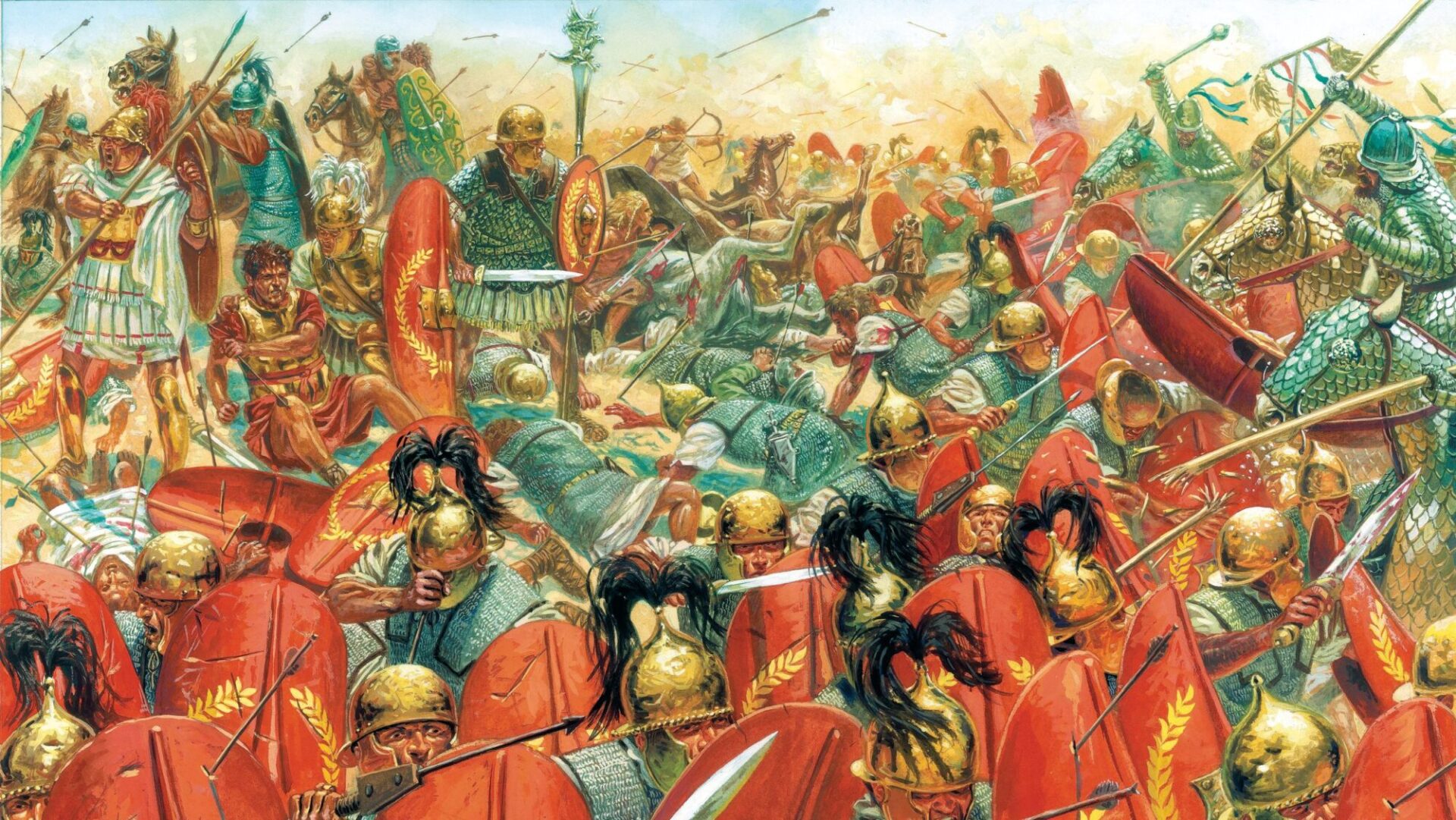
Persian armies therefore did not always need to defeat Roman legions in direct combat. Attacking supply lines, disrupting communications, and forcing exhausting marches could gradually undermine a Roman campaign.
Roman Political Instability
Roman emperors also faced a problem that Persian rulers could exploit: the empire had multiple vulnerable frontiers and recurring internal conflicts.
An emperor concentrating forces against Persia risked weakening the Rhine, Danube, Britain, North Africa, or other regions. Civil wars, rebellions, mutinies, and usurpations could force armies to withdraw from eastern campaigns.
The Crisis of the Third Century made this problem particularly severe. Political fragmentation and competing claims to the imperial throne reduced Rome’s ability to sustain long-term strategic plans.
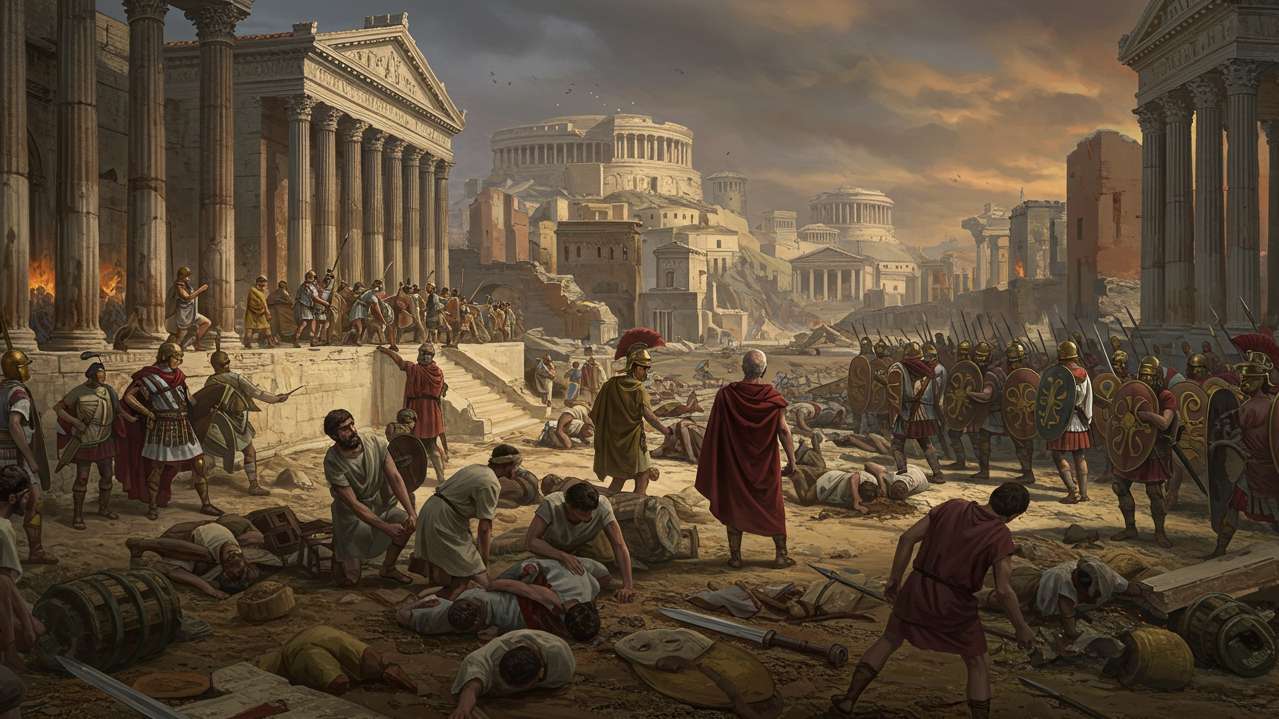
Persian rulers could often wait for Roman attention to shift elsewhere.
The result was a recurring pattern: Rome achieved major victories, but political developments prevented those victories from becoming permanent conquests.
Valerian’s Capture
The capture of Emperor Valerian by the Sasanian king Shapur I after the Battle of Edessa in AD 260 was one of Rome’s greatest eastern humiliations.
Valerian was taken alive and remained in Persian captivity. The event damaged Roman prestige and demonstrated the ability of the Sasanian Empire to defeat a Roman imperial army at the highest level.
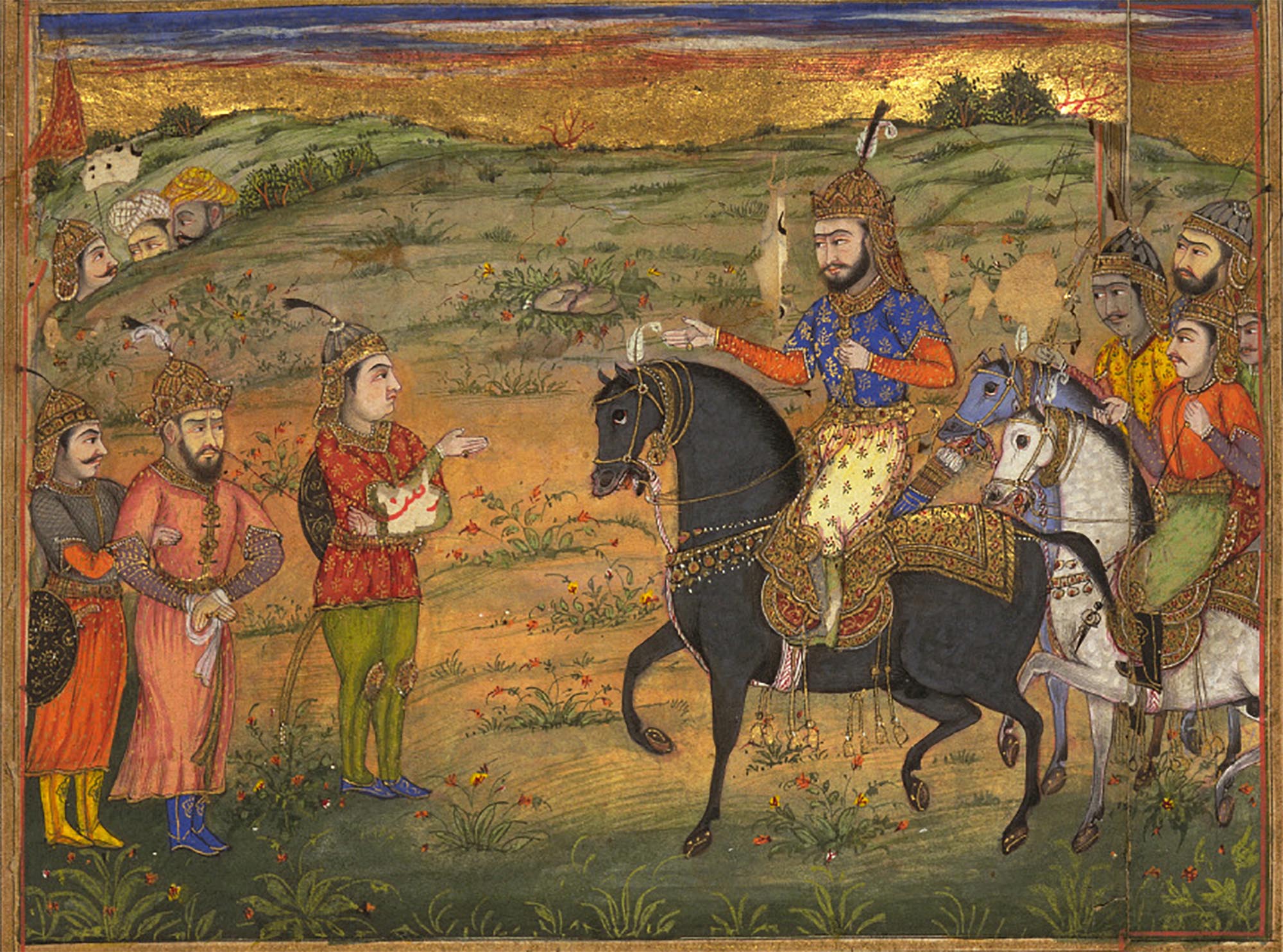
It also illustrated the danger of sustained Roman commitment in the East. Rome was increasingly forced to divide its resources between external enemies and internal political threats.
Persian Political and Cultural Resilience
Rome often expanded by incorporating local elites into its administrative and social system. Conquered populations could eventually become Roman citizens, while local elites could gain wealth and influence by cooperating with Roman authorities.
Persia presented a different political environment. Both the Parthian and Sasanian states possessed established imperial traditions and powerful elite structures. Roman conquest therefore meant replacing an existing imperial system rather than simply imposing authority over fragmented societies.
Under the Sasanians, Zoroastrianism was closely connected with royal authority and the ideology of kingship. This reinforced the legitimacy of the Sasanian state and contributed to resistance against foreign domination.
This did not mean that the Persian world was religiously uniform. The Sasanian Empire contained multiple religious communities. The important point was that Rome could not easily replace the existing political and cultural structures with a Roman provincial system.
A Balance Rome Could Not Break
Rome repeatedly demonstrated that it could defeat Persian armies and occupy Persian territory. Persia repeatedly demonstrated that those victories did not guarantee permanent control.
The central problem was sustainability.
Geography increased the cost of every advance. Logistics became more difficult with distance. Persian cavalry could exploit Roman supply lines. Strategic depth allowed Persia to recover from territorial losses. Roman emperors faced competing frontiers and recurring political crises. Persian political and cultural institutions provided a durable alternative to Roman rule.
Rome therefore faced a strategic choice: concentrate enormous forces in the East and risk instability elsewhere, or maintain a balance with Persia. Over time, the second option became more practical.
The Roman-Persian struggle was not a simple story of Roman defeat. Both sides won major campaigns and suffered serious reverses. The defining feature was that neither empire could permanently eliminate the other.
Rome could capture Ctesiphon, but holding Mesopotamia was another matter. Persia could invade Roman territory, but destroying the Roman Empire was equally beyond its reach.
The eastern frontier therefore became a long-term balance of power rather than another stage of Roman expansion.
Rome failed to conquer Persia because the conditions that had enabled its western expansion did not exist there. Persia had the terrain, military capabilities, strategic depth, political institutions, and resources to survive repeated Roman offensives.
The Romans were not defeated by one army or one battle. They encountered an opponent that could absorb losses, recover from defeats, exploit Roman logistical weaknesses, and wait for Roman political problems to intervene.
Persia exposed the limits of Roman imperial expansion.
