
You watch Rome shift from relief to regret as one ruler dies and another takes power. You see how hope rises fast when a new emperor steps forward with charm, money, and public praise. I show you how quickly that promise begins to crack.
You follow the sharp turn after illness, fear, and unchecked power reshape the man at the center of the empire. You witness growing violence, secret plots, and a brutal end that shocks the city. You also see how chaos clears the path for an unlikely successor to step out from the shadows.
Key Takeaways
- A feared ruler’s death opens the door for a popular new emperor.
- Illness and power fuel harsh rule, fear, and deadly plots.
- Assassination brings chaos and lifts an unexpected man to power.
The Downfall of Tiberius
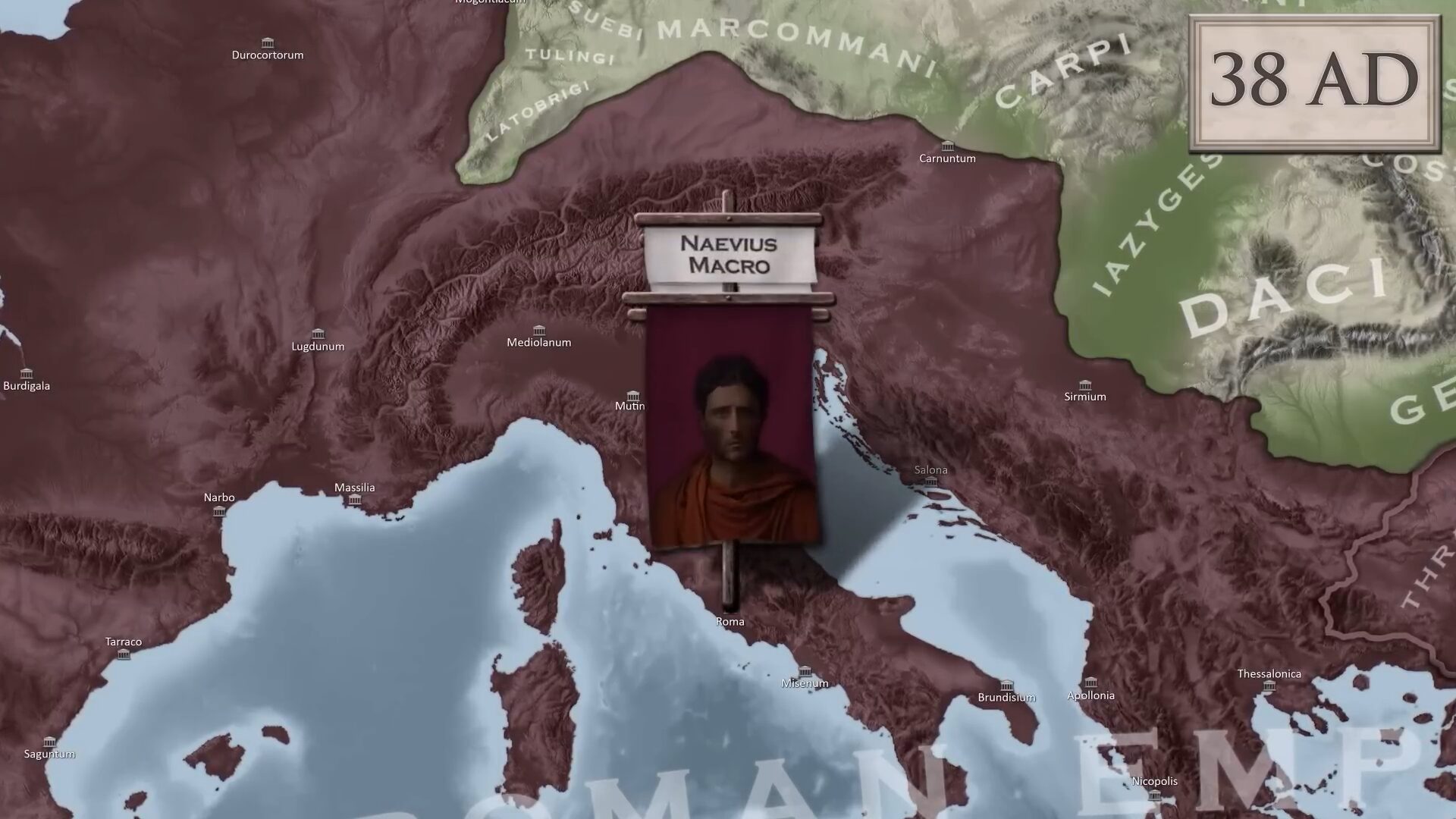
How the People Viewed Tiberius
You remember how much Rome feared and disliked Tiberius. Many people felt relief when he died.
His greatest failure came after his death. He did not stop Caligula from taking power, and that choice shaped everything that followed.
When Caligula first ruled, people praised him across the empire. After years under a dark and distant ruler, you can see why they welcomed someone who seemed open and kind.
Caligula honored his family, gave money to both poor citizens and nobles, and held large public games. He acted generous and cheerful.
The contrast with Tiberius made him even more popular.
How Tiberius Failed to Block Caligula
You can trace the disaster back to one fact: Tiberius allowed Caligula to stand next in line.
At first, this did not look like a mistake. Caligula appeared mild and friendly in his early months as emperor.
Seven months into his rule, severe illness struck him. People feared he would die. Some senators even prayed to take his place in death.
He survived, but you can see a clear change after that moment.
He began killing over small offenses. He forced Macro and Gemellus, Tiberius’s chosen co-heir, to take their own lives. He seized property, added taxes, and tried to fix a financial crisis caused by his own spending.
You also see strange and cruel acts:
- He claimed divine status for himself.
- He built statues and temples in his own honor.
- He mocked and humiliated senators.
- He ordered pointless military displays, including collecting seashells as “spoils.”
Support faded. A failed plot led by Marcus Aemilius Lepidus showed that anger was growing.
Tiberius had left Rome with a ruler who became unstable, violent, and feared. That failure defined his legacy.
The Shift After Caligula’s Death
On January 24, 41 AD, Cassius Chaerea and other guards attacked Caligula during public games. They stabbed him more than 30 times.
The city fell into chaos. Some hoped to restore power to the Senate.
The Praetorian Guard chose a different path. They searched the palace and found Claudius hiding behind a curtain.
Without delay, they declared him emperor.
At the same time, Caligula’s wife Caesonia and their young daughter were killed.
You watch the empire move forward not through careful planning, but through violence and fear. Tiberius’s line ended in blood, and power shifted by the sword.
Caligula’s Promising Beginnings
Widespread Support and a Favorable Image
You see a sharp shift when Caligula takes power. Rome had feared and disliked Tiberius, so people welcomed a new ruler with open relief.
Many Romans praised Caligula at the start of his rule. They spoke of him as loved across the empire, from east to west.
He appeared cheerful, approachable, and kind. Compared to the dark mood of Tiberius, you notice a lighter public presence that people found refreshing.
The Strength of His Father’s Legacy
You cannot ignore the impact of his father, Germanicus. Romans had admired Germanicus deeply, and that respect carried over to his son.
Caligula benefited from that family bond. His connection to a popular military hero gave him instant goodwill with both common people and elites.
This link helped shape his early image as a worthy successor.
Public Spending, Honors, and Policy Changes
In his first months, you see him act with energy and generosity. He hosted large gladiator games that drew crowds and excitement.
He handed out money to both ordinary citizens and members of the upper class without clear conditions. This spending made him look openhanded and eager to please.
He also honored his family. He granted new titles and privileges to relatives who were still alive. He placed deceased family members in the Mausoleum of Augustus, showing respect for his lineage.
Caligula reversed some of Tiberius’s harsh practices. He ended certain unfair political trials and executions that had created fear before.
He even made public the records of state finances, something Tiberius had refused to do. This move gave people more insight into how money flowed through the empire.
During this early period, you see a ruler who seems playful, giving, and attentive to public opinion.
The Decline of Caligula’s Leadership
Severe Sickness and Sudden Personality Shift
Seven months into your rule, you fall gravely ill. People fear you will die.
Some believe you suffer an epileptic fit. Others suspect poison or a mental break. The illness grows so serious that citizens mourn you while you still live. Even senators pray for your recovery and offer their own lives in exchange.
You survive.
But you do not return as the same man.
After you recover, your behavior changes. The warmth and playfulness fade. Many believe your judgment weakens, and your actions grow harsher.
Elevating Your Sister to Divine Status
The year after your illness, you break long‑standing Roman custom.
You declare your dead sister, Drusilla, a goddess. Rumors already surround your close bond with her. Now you demand public worship in her name.
You do not stop there.
You also begin to treat yourself as divine. You order:
- Statues built in your image
- Temples raised in your honor
- Public recognition of your godlike status
You no longer act as a prince among citizens. You act as a god above them.
Rising Executions and Open Brutality
You once rejected unfair trials. Now you approve deaths for minor mistakes.
Even powerful men fall. Macro, the Praetorian commander and once your ally, loses your trust. You force him to take his own life. Gemellus, Tiberius’s chosen heir, meets the same fate.
Some believe you increase executions to seize property and refill the treasury. When a man dies, you claim his estate.
Fear spreads through Rome.
You humiliate senators. You mock them. You joke that your horse could serve as consul. You force some to run beside your chariot for miles.
During a sacrifice, you strike a priest’s assistant instead of the animal. You remind people, even your wife, that you can order their deaths at any moment.
Plots begin to form against you. One conspiracy, led by Marcus Aemilius Lepidus, fails. You execute him. Resentment continues to grow.
Money Problems and Harsh Solutions
Your early spending drains the treasury.
By 39 AD, Rome faces a financial crisis. You respond with strict measures:
| Action | Purpose |
|---|---|
| Seizing estates | Gain wealth from executions |
| Creating new taxes | Increase state income |
| Finding new revenue sources | Cover heavy expenses |
You also gather merchant ships to build a bridge across the Bay of Baiae. Grain supplies suffer. Shortages follow.
You build the bridge to defy a prophecy that claims you could no more rule than ride a chariot across the bay. You cross it again and again to prove your point.
You launch campaigns into Gaul and Germany. They achieve little. At one shore, you order soldiers to collect seashells as trophies.
While you publish public financial records and attempt some reforms, many people focus on your violence, spending, and need for control.
Support weakens among both nobles and common citizens.
Caligula’s Descent into Cruel Rule
Open Contempt for Rome’s Lawmakers
You watch Caligula turn the Senate into a target of mockery. He jokes that his horse could serve as consul just as well as any senator.
He forces some senators to run beside his chariot for long distances. He enjoys reminding powerful men that their rank offers no safety.
His actions strip the Senate of dignity and replace respect with fear.
Brutal Stories and Deadly Orders
After a severe illness early in his rule, you see a sharp change in him. He begins to order deaths for minor mistakes.
He pushes Macro, once a trusted ally and Praetorian commander, to suicide. He does the same to Gemellus, who once stood as a possible heir.
During a sacrifice, reports claim he strikes a priest’s assistant instead of the animal. He often tells others, even his wife, that he could have them killed at any moment.
Executions also allow him to seize property. When a financial crisis hits after heavy spending, he adds taxes and takes estates from the condemned.
Strange Shows of Authority
You see him build a floating bridge across the Bay of Baiae using merchant ships. This act disrupts grain supply and causes food shortages.
He orders the bridge after hearing a prophecy that he would never rule or cross the bay by chariot. He rides across it for hours to prove the prediction wrong.
On campaign in Gaul and Germany, he gains no real victories. At one point, he tells soldiers to collect seashells and display them as spoils.
Claiming Divine Status
You watch him declare his sister Drusilla a goddess after her death. Rumors spread about the closeness of their bond.
He does not stop there. He orders temples and statues in his own honor and treats himself as a living god.
His need for worship grows stronger as his rule continues.
Rising Anger and Resistance
You see support fade among both common people and nobles. A plot led by Marcus Aemilius Lepidus fails, but anger remains.
On January 24, 41 AD, during the Palatine Games, Cassius Chaerea and other Praetorian Guards strike. Senators who suffered under Caligula support the attack.
They stab him more than 30 times. His wife Caesonia and their young daughter also die soon after.
In the chaos, the Praetorian Guard finds Claudius hiding in the palace. They choose him as the next emperor, and Caligula’s violent rule ends.
Conspiracy and Assassination
The Scheme to Remove Caligula
You watch Caligula rise from a popular young ruler to a feared leader after a serious illness changes his behavior. He begins ordering deaths, seizing property, and humiliating powerful men. Fear spreads through Rome.
One earlier effort to remove him comes from his own brother-in-law, Marcus Aemilius Lepidus. Lepidus organizes a plot against the emperor. Authorities uncover the plan, and they put Lepidus to death. His execution fails to calm the anger building across the city.
Resentment grows among senators and members of the Praetorian Guard. Many feel insulted, threatened, or pushed aside.
The Death of Marcus Aemilius Lepidus
Lepidus leads the first known attempt to overthrow Caligula. He acts as opposition forms within the imperial circle.
The conspiracy collapses. Officials execute Lepidus for his role in the plot. His death sends a clear warning, but it does not stop others from planning.
The Assault During the Palatine Festival
On January 24, 41 AD, you find Caligula attending games held on the Palatine. While he moves through a covered walkway, Praetorian officer Cassius Chaerea steps forward.
Chaerea, backed by other guards and hostile senators, strikes first with a sharpened blade. Others rush in and stab the emperor many times. The attack leaves him with more than thirty wounds.
The killing mirrors the earlier murder of Julius Caesar. Once again, a man named Cassius helps bring down a Caesar in a coordinated stabbing.
Chaos and Bloodshed After the Killing
Confusion erupts at once. Some conspirators hope the army will restore power to the Senate.
The Praetorian Guard hesitates. Their position depends on having an emperor.
As factions move through the city, violence spreads to Caligula’s family. His wife, Caesonia, dies. Their young daughter, Julia Drusilla, is also killed.
Meanwhile, members of the Guard search the palace for a successor. A soldier named Gratus discovers Claudius hiding behind a curtain. The Guard quickly proclaims him emperor, securing their future under new rule.
The Rise of Claudius
Claudius’s Early Years and Health Challenges
You see Claudius born on August 1, 10 BC, into a powerful Roman family. He was the grandson of Mark Antony and Octavia, and the younger brother of Germanicus.
From a young age, you notice his physical struggles. He had tremors, a stammer, and a limp. Many now believe he had cerebral palsy.
These conditions made daily life hard. They also shaped how others treated him.
Pushed Aside at Home, Welcomed by the Public
You watch his own family mock and ignore him because of his disabilities. They rarely gave him a role in public life.
Even when he studied under respected teachers and improved his speaking skills, his family still doubted him. When he began writing a bold account of Rome’s civil wars, Augustus found it too critical. His mother stopped the work before he could finish it.
Yet outside the palace, you find a different response. Many senators and citizens respected him. While the imperial family kept him at a distance, parts of Rome accepted him.
His Connection with Caligula
You see an unexpected shift under Caligula. Despite his cruel behavior toward many, Caligula brought Claudius into politics.
In 37 AD, Caligula made him co-consul. This gave Claudius his first real public office.
Caligula still mocked and humiliated him. Even so, you recognize that this appointment gave Claudius the chance he had long wanted.
Some historians suggest Claudius knew about the plot forming against Caligula.
Chaos After Caligula’s Murder
On January 24, 41 AD, assassins attacked Caligula during the Palatine Games. Cassius Chaerea and others stabbed him repeatedly.
After his death, confusion spread through Rome. Some conspirators hoped to restore power to the Senate.
At the same time, Caligula’s wife and young daughter were killed. Violence and fear filled the palace.
How the Praetorian Guard Chose You
While others argued about Rome’s future, the Praetorian Guard searched for a new ruler. Their power depended on having an emperor.
A guardsman named Gratus found Claudius hiding behind a curtain in the palace. He was frightened and unprepared.
Instead of turning him over, the Guard declared him emperor. In that moment, you see how a man once pushed aside by his family rose to rule Rome because the army chose him.
