
The reign of Elagabalus (218–222 CE) remains one of the most controversial episodes in Roman imperial history. Ancient writers described a young emperor who challenged religious traditions, elevated personal favorites, and blurred the boundaries of conventional Roman masculinity. Among the most remarkable figures in these accounts was Hierocles, a formerly enslaved charioteer whose relationship with the emperor allegedly gave him extraordinary influence at the imperial court.
Their story survives primarily through hostile ancient narratives, especially the Roman History of Cassius Dio, a Roman senator who lived during the period. Although these accounts contain valuable historical information, they also reflect the political rivalries and moral judgments that shaped Roman historiography. Separating the evidence from the sensationalism is essential to understanding what may have happened.
A Young Emperor from Syria
Elagabalus was born around 203 CE in Emesa, a city in the Roman province of Syria. His birth name was Varius Avitus Bassianus, and he belonged to the Severan imperial family through his maternal relatives. Before becoming emperor, he served as a hereditary priest of the local Syrian deity Elagabal, a god associated with a sacred black stone.
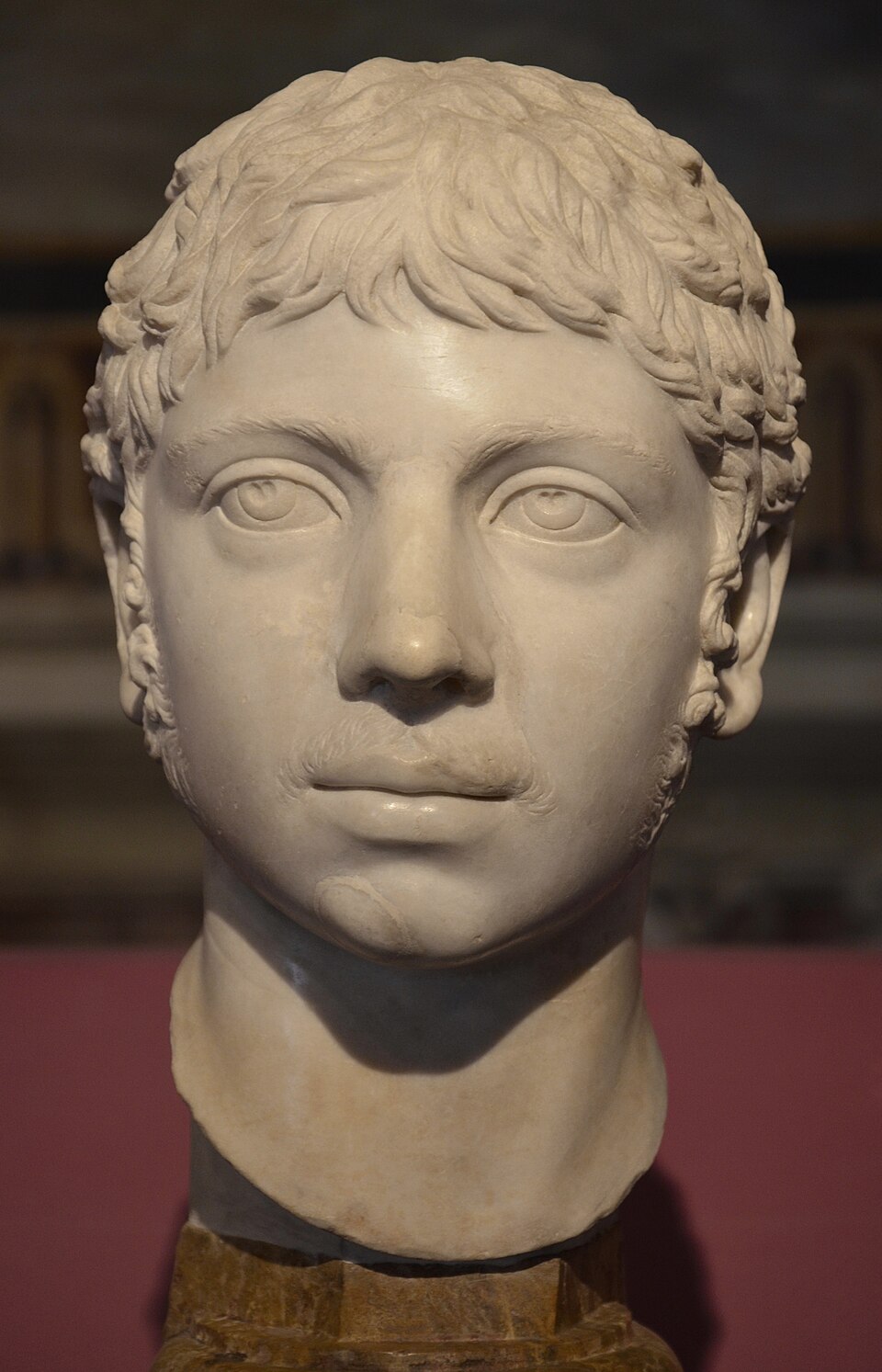
In 218 CE, following the overthrow of Emperor Macrinus, the teenage Elagabalus became ruler of the Roman Empire. He was approximately 14 or 15 years old, depending on the precise chronology used.
His accession owed much to his grandmother, Julia Maesa, who helped organize the political and military support that brought him to power. His mother, Julia Soaemias, also occupied a prominent position within his court.
Elagabalus subsequently brought the cult of his Syrian deity to Rome and established the god in a prominent religious position. Roman authorities had long incorporated foreign deities into their religious system, so the introduction of a Syrian god was not inherently unprecedented. The controversy arose partly from the emperor’s treatment of the deity and its relationship to Jupiter, the traditional chief god of the Roman state.
Hierocles: A Charioteer Who Became the Emperor’s Favorite
Cassius Dio‘s account of Hierocles appears in Book 80 of his Roman History. Dio describes Hierocles as a Carian, meaning that he came from Caria, a region in southwestern Asia Minor, in what is now western Türkiye. He had been enslaved and worked as a charioteer before becoming involved with Elagabalus.
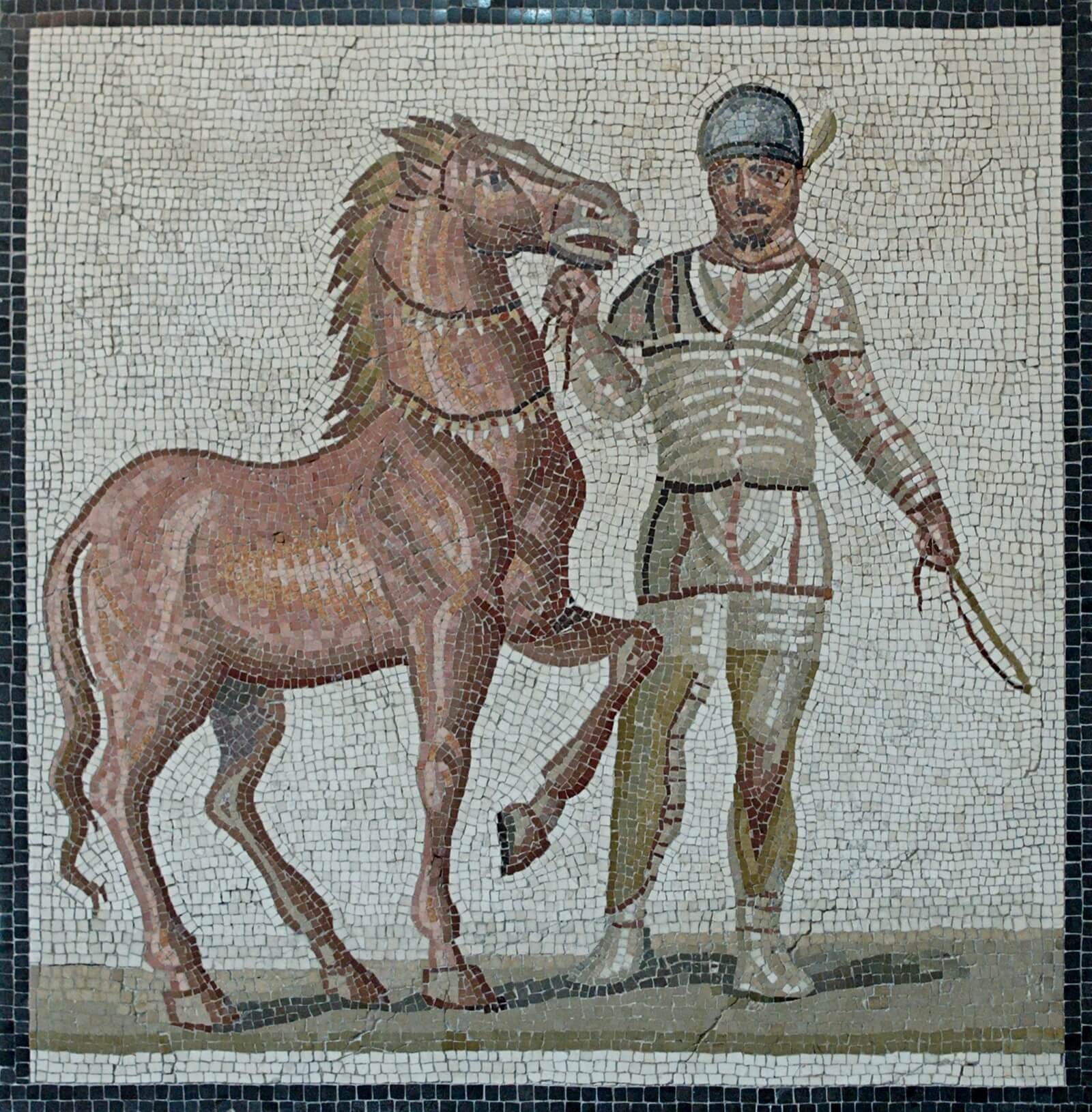
According to Dio, the emperor became captivated by Hierocles after seeing him in the arena. The historian emphasizes the charioteer’s blond hair and his subsequent rise from enslavement to a position of extraordinary personal influence.
Dio also claims that Elagabalus referred to Hierocles as his husband and presented himself as the charioteer’s wife. The relationship was particularly scandalous in the eyes of Roman elites because it reversed conventional expectations of masculinity, status, and sexual behavior. In Roman elite culture, a free adult man was expected to maintain a dominant social and sexual position. An emperor who publicly adopted the opposite role offered his political opponents material for ridicule and condemnation.
Hierocles’ reported influence extended beyond the private sphere. Dio states that his mother, who had also been enslaved, received honors that placed her on a social footing comparable to women from the senatorial elite. This episode illustrates how proximity to the emperor could overturn established social hierarchies, at least within the court.
However, there is an important distinction between holding formal political office and enjoying personal influence. The surviving evidence does not establish that Hierocles became a senior military commander or held the extensive administrative powers attributed to imperial favorites in some later accounts. His importance rests primarily on his reported relationship with Elagabalus and the access to imperial power that came with it.
A Marriage to a Vestal Virgin and Religious Controversy
Hierocles was not the only relationship that ancient writers used to illustrate Elagabalus’ disregard for Roman conventions. Dio also describes the emperor’s marriage to a Vestal Virgin, a priestess sworn to preserve her chastity while serving Vesta, the goddess of the hearth.
The marriage was especially controversial because the Vestal Virgins occupied a privileged and sacred position in Roman public religion. Violating their vows was considered a serious religious offense. Dio presents the union as evidence of Elagabalus’ contempt for traditional Roman customs.
Nevertheless, these episodes must be understood within their historical context. Roman emperors could use religious innovation to reinforce their authority, and foreign cults were not inherently unacceptable. The controversy surrounding Elagabalus arose from a combination of religious policy, perceived violations of established ritual, political tensions, and hostile representations of his private life.
The Fall of Elagabalus in 222 CE
Elagabalus’ position ultimately depended on the loyalty of the army and the support of influential members of his family. His grandmother, Julia Maesa, had helped secure his accession, but she later supported the advancement of his cousin, Severus Alexander, as an alternative successor.
As tensions increased, Elagabalus attempted to preserve his position while Alexander gained support among the Praetorian Guard, the military force responsible for protecting the emperor in Rome.
In March 222 CE, the Praetorian Guard turned against Elagabalus. The emperor was killed alongside his mother, Julia Soaemias, and his body was dragged through Rome before being thrown into the Tiber, according to Cassius Dio. He was approximately 18 years old.
Dio also states that Hierocles died in the same political upheaval. The surviving account does not provide a detailed reconstruction of Hierocles’ final moments, so claims about precisely where he was found or how he was executed go beyond the evidence.
The Legacy of an Imperial Scandal
Hierocles is remembered not for military victories, legislation, or public achievements, but for his reported relationship with one of Rome’s most controversial emperors. His rise illustrates the extraordinary opportunities that could emerge from imperial favor, even for people who began life in slavery. It also reveals the precarious nature of that power: access to the emperor could elevate a person rapidly, but it offered little protection when the political establishment and the army turned against the ruler.
The larger historical lesson concerns the relationship between power and reputation. Elagabalus’ reign demonstrates how personal conduct, religious policy, and political opposition could become intertwined in ancient accounts of imperial legitimacy. Hierocles’ story survives because a hostile contemporary historian considered it revealing of the emperor’s character.
What remains uncertain is how much of the narrative reflects private events accurately and how much was shaped by the conventions of Roman political invective. The evidence supports the existence of a prominent relationship between Elagabalus and Hierocles, but it does not allow historians to reconstruct every intimate detail or private emotion described in modern dramatizations.
