
The Roman army did not become one of the most formidable military institutions of the ancient world through weapons and battlefield courage alone. Its strength rested on a disciplined organizational structure that connected inexperienced recruits, veteran infantrymen, specialist craftsmen, experienced centurions, and aristocratic commanders within a single military system.
At its core, the legion was an institution designed to make thousands of men function as a coordinated force. Training established common standards, military discipline enforced obedience, specialized personnel maintained equipment and supplies, and a carefully differentiated command hierarchy translated strategic decisions into battlefield action. The system was neither perfectly efficient nor uniformly fair, but it gave Rome an enduring advantage in organizing, supplying, and replacing its fighting forces.
Understanding this hierarchy requires distinguishing between the Roman Republic and the Empire. The army changed substantially over centuries, and its ranks, recruitment practices, service conditions, and command arrangements were never entirely uniform. The following account concentrates on the late Republic and early Imperial period, when the cohort-based legion and its familiar chain of command became established.
The career of Marcus Cassius Scaeva, a centurion who distinguished himself during Julius Caesar’s civil war, illustrates both the demands placed on professional soldiers and the opportunities available to men who demonstrated exceptional ability.
1. The Tiro: The Making of a Roman Soldier

A Roman soldier’s career began with recruitment, selection, and military training. A new recruit was known as a tiro, the Latin term for a beginner or novice. He had to adapt to an institution in which individual preference increasingly gave way to collective discipline, established routines, and the authority of superior officers.
Recruitment requirements varied with the period. During the Republic, military service was closely connected to civic status and property qualifications, although these rules changed in practice during prolonged wars. In the late second century BC, Gaius Marius became associated with the recruitment of poorer citizens into the legions. His measures helped accelerate an existing transformation toward a more professional army, but the popular claim that he single-handedly invented the professional Roman legion oversimplifies a gradual process.
Under the Empire, legionary service generally became a long-term military career. Recruits needed to meet physical and legal requirements, and their training prepared them for the practical demands of campaigning rather than merely teaching them how to use a sword.
The surviving account of Roman military training by Vegetius, a writer of the late fourth or early fifth century AD, emphasizes marching, running, jumping, swimming, weapons practice, and formation drill. Although Vegetius drew on earlier traditions, his description cannot automatically be treated as a precise training manual for Caesar’s army in the first century BC.
His recommendations nevertheless reveal the principles that Roman military culture valued. Recruits were expected to maintain formation, endure physical exertion, handle weapons confidently, and move efficiently as members of a larger unit. Vegetius describes a standard march of 20 Roman miles in five hours under the appropriate conditions, equivalent to approximately 29.6 kilometers. This was a demanding training benchmark, not proof that every recruit routinely completed such a march every day.
Weapons practice could involve wooden equipment heavier than its battlefield equivalent, while repeated drills helped soldiers develop strength and consistency. Camp construction was another essential skill. A marching army needed defensible temporary positions, and soldiers were expected to contribute labor to the construction of ditches, ramparts, and palisades.
The objective was practical: a soldier who could march, dig, maintain equipment, and follow orders remained useful even when battle was not imminent.
Discipline also played a central role. The military oath, known as the sacramentum, formalized a recruit’s obligations. Its precise wording and significance changed over time, particularly as the army’s relationship with emperors developed. Military loyalty was reinforced by law, religion, social pressure, and the consequences of disobedience.
Roman discipline could be severe. Ancient sources describe corporal punishment, execution for serious offenses, and the fustuarium, a punishment in which fellow soldiers beat a condemned man to death. Such penalties should not be mistaken for routine punishment for every lapse, but they demonstrate the potential consequences of violating military obligations.
Training did not eliminate fear. It sought to make soldiers capable of acting despite it.
2. The Legionary: The Foundation of the Army

Once accepted into the legion, the soldier became part of the ordinary fighting force. The Latin term miles referred to a soldier, while legionarius specifically identified a legionary. The term munifex, used in some descriptions of military personnel, is associated with the performance of routine duties, but it was not the standard formal rank for an ordinary infantryman.
The legionary’s life combined combat training with an extensive workload. Soldiers marched long distances, maintained their weapons and armor, constructed camps, guarded installations, repaired roads, and supported the supply system that kept armies operating far from Rome.
Under Augustus and his successors, legionary service generally lasted around 25 years, although arrangements varied by period. The 20-year active-service term sometimes associated with Augustus is an oversimplification: the length of formal service, reserve obligations, and additional duties changed over time. Discharge could bring a substantial financial reward, and veterans could sometimes receive land or other benefits, but retirement was not guaranteed to every soldier who enlisted.
The contubernium: Eight men sharing a military life
The smallest familiar grouping in the Imperial legion was the contubernium, a group of approximately eight soldiers who shared a tent on campaign or living quarters in a permanent fortress.
These men depended on one another for daily survival. They shared practical responsibilities, prepared food, maintained equipment, and marched together. Their close working relationships could create powerful bonds, although the experience of individual soldiers varied according to assignments, personalities, and conditions.
Above the level of the contubernium stood the century, commanded by a centurion. Despite the name’s historical association with a hundred men, an Imperial legionary century generally contained around 80 soldiers.
Six centuries ordinarily formed a cohort of approximately 480 legionaries. The first cohort was larger, typically organized into five double-strength centuries totaling about 800 men. A legion therefore commonly had 59 centuries and approximately 5,000 legionaries, although actual strength fluctuated.
This structure provided an important organizational advantage. Commanders did not have to issue every order to thousands of men individually. Orders passed through progressively smaller units, allowing officers and experienced soldiers to coordinate movements, maintain formation, and respond to changing battlefield conditions.
Weapons and battlefield discipline
The legionary’s equipment reflected Rome’s emphasis on practical infantry combat. Depending on the period, his principal weapons included the gladius, a short sword, and the pilum, a heavy throwing spear. He also carried a large shield, the scutum, and wore protective equipment appropriate to his unit and circumstances.
The pilum was particularly useful before close combat. Its iron shank and point were designed to penetrate or interfere with enemy shields and equipment. Some examples could bend on impact, potentially making a shield difficult to use, but the idea that every pilum invariably bent and forced its target to discard his shield is too absolute. Nor can the weapon’s development be attributed solely to Marius.
The legionary’s effectiveness depended on more than equipment. Formation, timing, unit cohesion, and the ability to follow orders under pressure were critical. Roman infantry could maneuver, throw missiles, advance, withdraw, and regroup according to circumstances. Actual battlefield tactics varied, and there is no sound basis for claiming that exhausted front-line soldiers routinely rotated every 15 minutes according to a universal rule.
The familiar image of a legion as an immovable wall of shields captures only part of Roman military practice. Roman commanders adapted formations to terrain, enemy capabilities, and operational objectives.
3. The Immunis: Specialists Behind the Fighting Line

Some soldiers with particular qualifications or assigned responsibilities held the status of immunis, meaning they were exempt from certain ordinary duties. The precise privileges depended on their position and circumstances. Immunity did not mean complete exemption from military service, combat, or danger.
A skilled craftsman might spend more time repairing equipment than drilling with the main body of infantry. An engineer could help build bridges, fortifications, roads, and siege works. Administrative personnel kept records and managed supplies, while medical staff treated sick and wounded soldiers.
Such specialists were indispensable because a Roman army was a mobile logistical organization as well as a fighting force. A broken bridge could delay an advance; inadequate provisions could undermine an entire campaign; damaged equipment could reduce a unit’s effectiveness before it ever encountered the enemy.
The construction of Trajan’s bridge across the Danube, completed during the early second century AD, demonstrates the scale of Roman engineering ambition. Apollodorus of Damascus is associated with the project, although its execution depended on a wider workforce and extensive technical resources. The achievement illustrates the importance of engineering and organized labor rather than proving that a small group of specialists could construct any major bridge within a few days.
Medical care also formed part of the military system. Roman forces employed physicians and established facilities for treating sick and wounded personnel. Military hospitals, commonly described as valetudinaria, are particularly well documented in the archaeological remains of permanent forts. Their organization and availability varied, and ancient medicine had obvious limitations. Nevertheless, the provision of treatment reflected an understanding that preserving experienced soldiers could benefit the army as a whole.
Specialization offered a different kind of advancement from command. An immunis might gain privileges and recognition through technical expertise without becoming a centurion. The legion needed both experienced fighters and men capable of keeping the army supplied, repaired, and operational.
4. The Principales: The Legion’s Experienced Noncommissioned Personnel
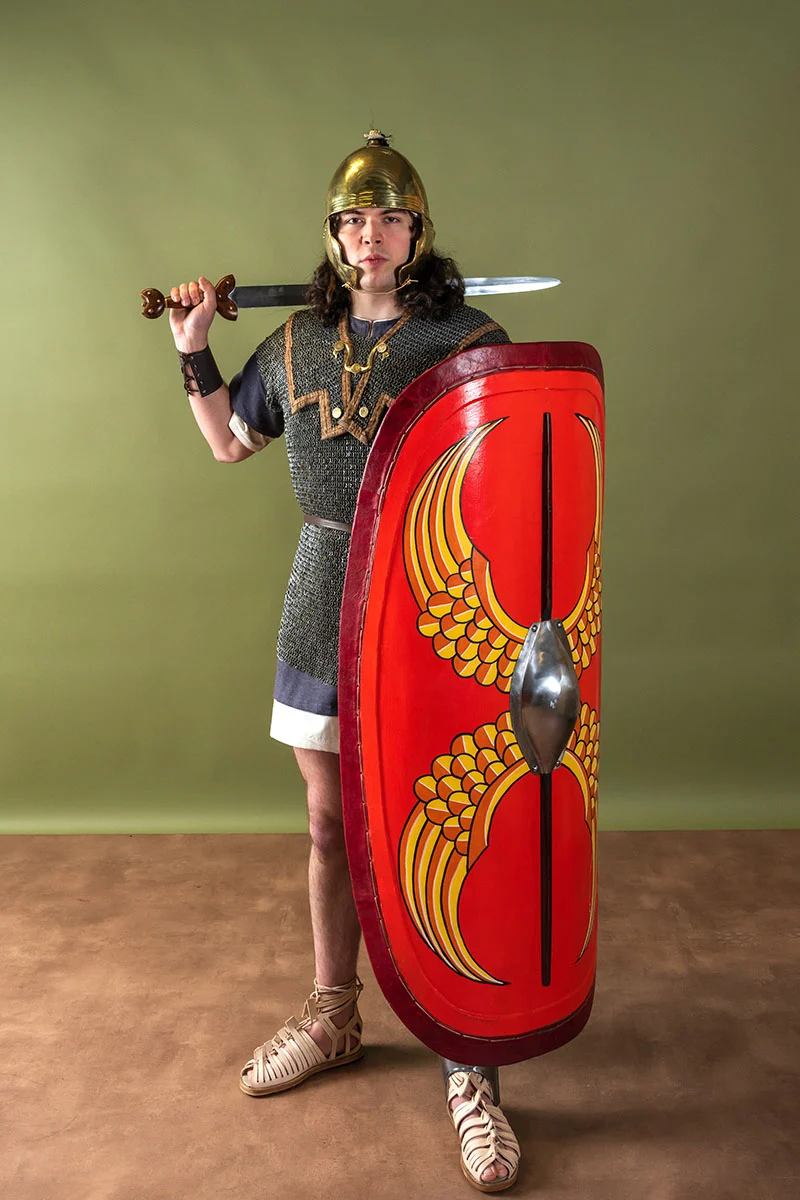
Between the ordinary legionary and the senior command structure stood the principales, a broad category of personnel entrusted with important administrative, disciplinary, and operational responsibilities.
These were not simply modern sergeants under another name. Roman military offices developed within their own institutional and social framework, and individual duties changed over time. Nevertheless, principales occupied an important middle ground between ordinary soldiers and higher command.
Many received additional pay, often at rates above those of ordinary legionaries. Their experience and specialized responsibilities made them important to the functioning of a century and its supporting organization.
The optio
The optio served as an important deputy to the centurion. He helped maintain order within the century and could take command when the centurion was absent. In many circumstances, the optio was a plausible candidate for promotion into the centurionate.
The position required practical authority. An optio needed to understand orders, supervise soldiers, and help ensure that a century maintained its assigned position and duties.
The tesserarius
The tesserarius was associated with watch arrangements and the distribution of the military password. The term derives from tessera, a token or tablet associated with the password system.
Passwords helped guards and sentries distinguish authorized personnel from potential intruders, especially during darkness or periods of heightened security. Mishandling such information could have serious consequences, although claims that every password error automatically resulted in execution are unsupported.
The signifer and other standard-bearers
The signifer carried the standard, or signum, associated with a century or other unit. Standards were important markers of military identity, and they could help soldiers maintain orientation amid the confusion of battle.
Standard-bearing was an honor as well as a responsibility. The loss of a standard could damage morale and carry serious symbolic consequences. However, it is misleading to suggest that every raised standard invariably meant an attack or that lowering one universally ordered a retreat. Commanders used a range of signals and methods to communicate instructions.
Other standard-bearing positions included the aquilifer, who carried the legion’s eagle, and the imaginifer, associated with the image of the emperor in the Imperial period. These offices should not be conflated: the eagle was a distinctive legionary emblem, while other standards represented different units or aspects of military identity.
Some standard-bearers also had financial responsibilities. The signifer could oversee soldiers’ savings and related accounts, making the position important beyond its ceremonial and tactical functions. The exact arrangements differed across units and periods, but the combination of trust, accounting, and symbolic responsibility shows how much the army depended on experienced personnel outside the ordinary command chain.
Principales helped convert the general orders of senior officers into everyday military practice. Their authority was narrower than that of a centurion, but their work was essential to maintaining the legion’s internal order.
5. The Centurion: The Backbone of the Roman Legion

The centurion was among the most important figures in the Roman military system. He commanded a century, supervised training and discipline, and led soldiers in the field. His effectiveness could determine whether a unit maintained its formation under pressure or collapsed when confronted by a sudden threat.
Centurions occupied a position between ordinary soldiers and the legion’s senior officers. Some advanced through years of military service, while others entered the centurionate through different routes, including appointments influenced by social standing or previous military experience. Promotion was not governed by one universal career ladder.
The centurion’s authority extended well beyond combat. He supervised daily duties, maintained standards, communicated orders, and helped ensure that soldiers remained prepared for operations. He was also responsible for translating broad instructions into actions that individual legionaries could understand and execute.
The vitis and the enforcement of discipline
One of the centurion’s most recognizable attributes was the vitis, a staff made from grapevine wood. Ancient sources associate it with the corporal punishment of soldiers.
The historian Tacitus recounts the story of Lucilius, a centurion nicknamed Cedo Alteram—usually translated as “Bring another one.” According to Tacitus, Lucilius repeatedly broke his staff while beating soldiers and demanded a replacement. The anecdote illustrates the reputation for severity that some centurions acquired, although it should not be treated as proof that every centurion behaved in the same manner.
Discipline was an institutional requirement, but excessive cruelty could also create resentment and instability. The army’s relationship with its commanders depended on a combination of authority, competence, fairness, and the threat of punishment.
Centurions and the hierarchy of command
A centurion’s standing depended partly on seniority and the position of his century within the legion. In the established Imperial organization, centurions of the first cohort occupied particularly prestigious positions.
The centurion of the first century of the first cohort held the title primus pilus, or “first spear.” He was the senior centurion of the legion and represented the highest regular stage of advancement within the centurionate.
The familiar Imperial legion contained 59 centuries, not exactly 60. This arrangement consisted of six centuries in each of the nine ordinary cohorts and five larger centuries in the first cohort. Each century had its own centurion.
Centurions could earn substantially more than ordinary legionaries, but there was no single salary multiplier that applied universally across every century of Roman military history. Pay depended on period, rank, and other circumstances.
Their position also involved considerable danger. Centurions had to exercise authority close to the men they commanded, and their presence could become especially important when a formation came under pressure. They were not necessarily required to stand in the same position in every battle, but their responsibilities often brought them close to the fighting.
The Roman military system depended heavily on these experienced leaders. A general might determine an army’s objectives, but centurions helped determine whether its soldiers could carry out those objectives in practice.
6. The Primus Pilus: The Pinnacle of the Centurionate
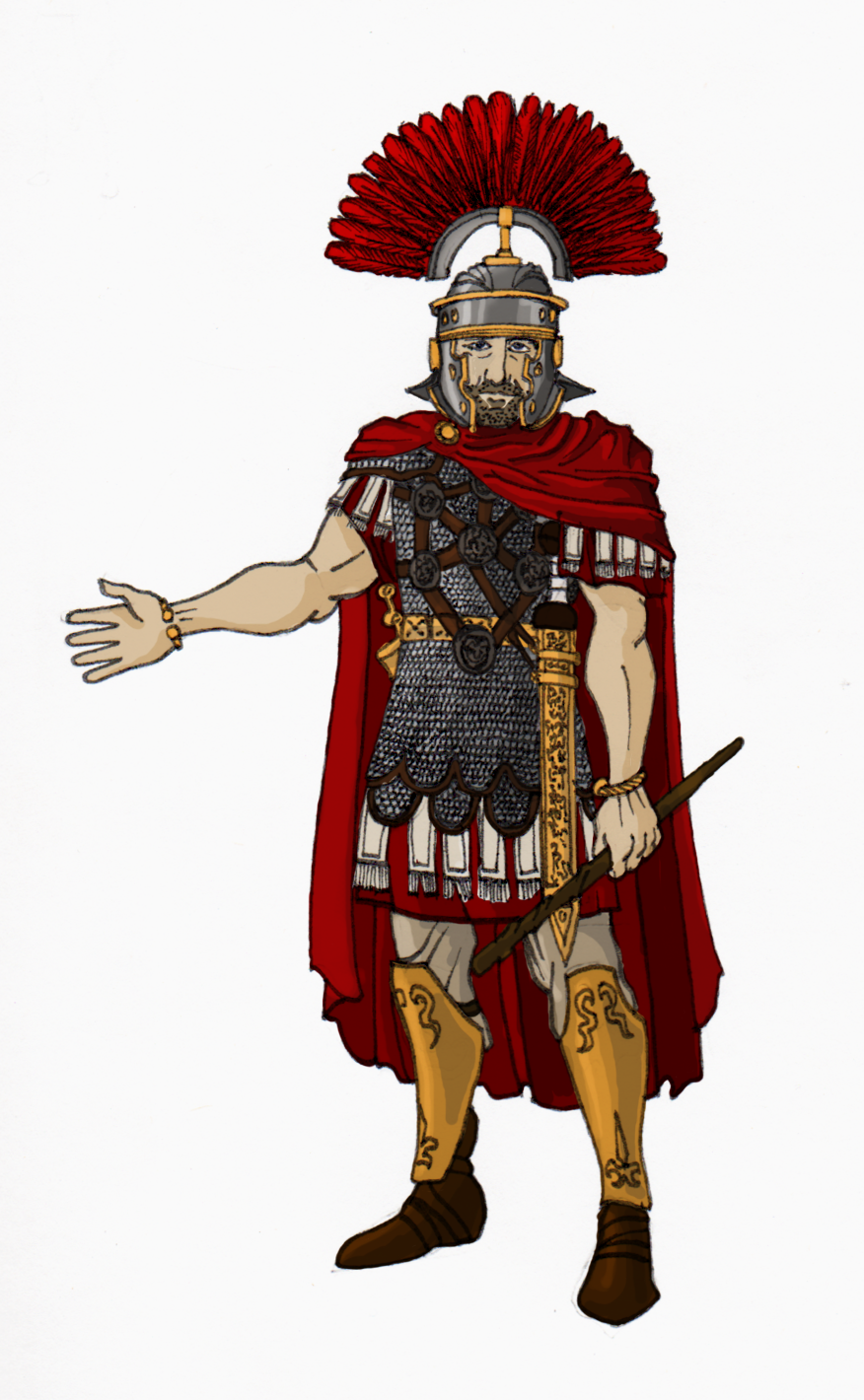
The primus pilus occupied a distinctive position within the legion. As the senior centurion, he possessed extensive military experience and enjoyed considerable prestige among professional soldiers.
The title did not make him commander-in-chief of the legion. That responsibility belonged to the legion’s appointed commander. Nevertheless, the primus pilus could provide valuable advice on tactical and operational questions because his career had given him direct knowledge of the army’s capabilities, limitations, and internal organization.
The first cohort held an exceptional position in the legion’s structure. In the Imperial period, it comprised five double-strength centuries and approximately 800 legionaries. Its centurions ranked above those of the ordinary cohorts, and its senior centurion was the primus pilus.
Promotion to this position could open doors beyond the immediate military hierarchy. Some primipilares subsequently became camp prefects, while others obtained positions that brought them closer to Rome’s administrative and social elite. Advancement was not automatic, however, and the opportunities available to an individual depended on circumstances, patronage, and the period in which he served.
The relationship between military achievement and social advancement is particularly revealing. Roman society remained highly stratified, and most senior political offices were inaccessible to ordinary soldiers. Yet a successful military career could bring wealth, prestige, and opportunities unavailable to men of similar origins who remained in civilian life.
It was a genuine route to advancement, but not a reliable promise that any recruit could rise from poverty to aristocratic status. The primus pilus represented an exceptional outcome, not the normal career of a legionary.
7. The Praefectus Castrorum: The Officer Who Kept the Legion Running
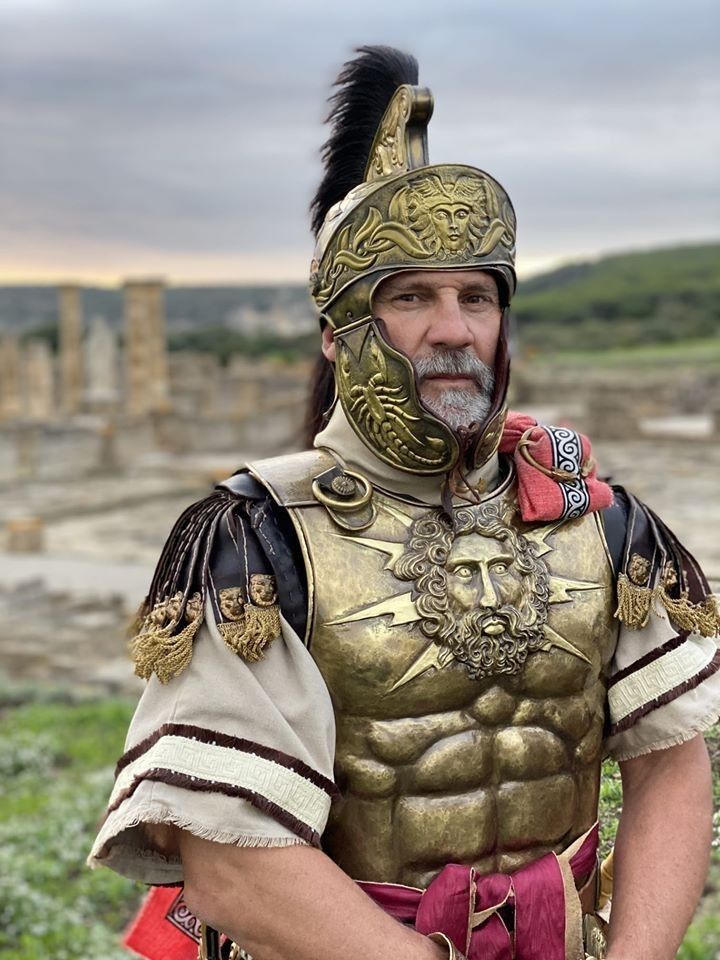
The praefectus castrorum, or camp prefect, was one of the legion’s senior officers. The position was particularly important in the Imperial army because it placed an experienced military professional in charge of essential organizational and logistical functions.
The camp prefect’s responsibilities could include the construction and maintenance of fortifications, the upkeep of equipment, the management of supplies, and the organization of the legion’s permanent base. He needed to understand how the army functioned as a practical institution, from maintaining its infrastructure to ensuring that soldiers had the equipment and provisions required for service.
The office was often held by a former primus pilus, making it a potential continuation of a long military career. This did not mean every camp prefect had served precisely 40 years, nor that every holder had followed an identical route to promotion.
The prefect was not simply a quartermaster. His responsibilities required knowledge of military administration and the practical demands of operations. When the legion’s commander was absent, the camp prefect could assume important command responsibilities.
This role illustrates a central feature of Roman military organization: the army required professional experience at the senior level as well as political leadership. A commander might establish a strategic objective, but an army could not achieve it without functioning supply arrangements, serviceable equipment, secure camps, and personnel capable of coordinating these requirements.
The camp prefect occupied a critical point where operational experience and administration met.
8. The Military Tribune: A Bridge Between the Aristocracy and the Legion
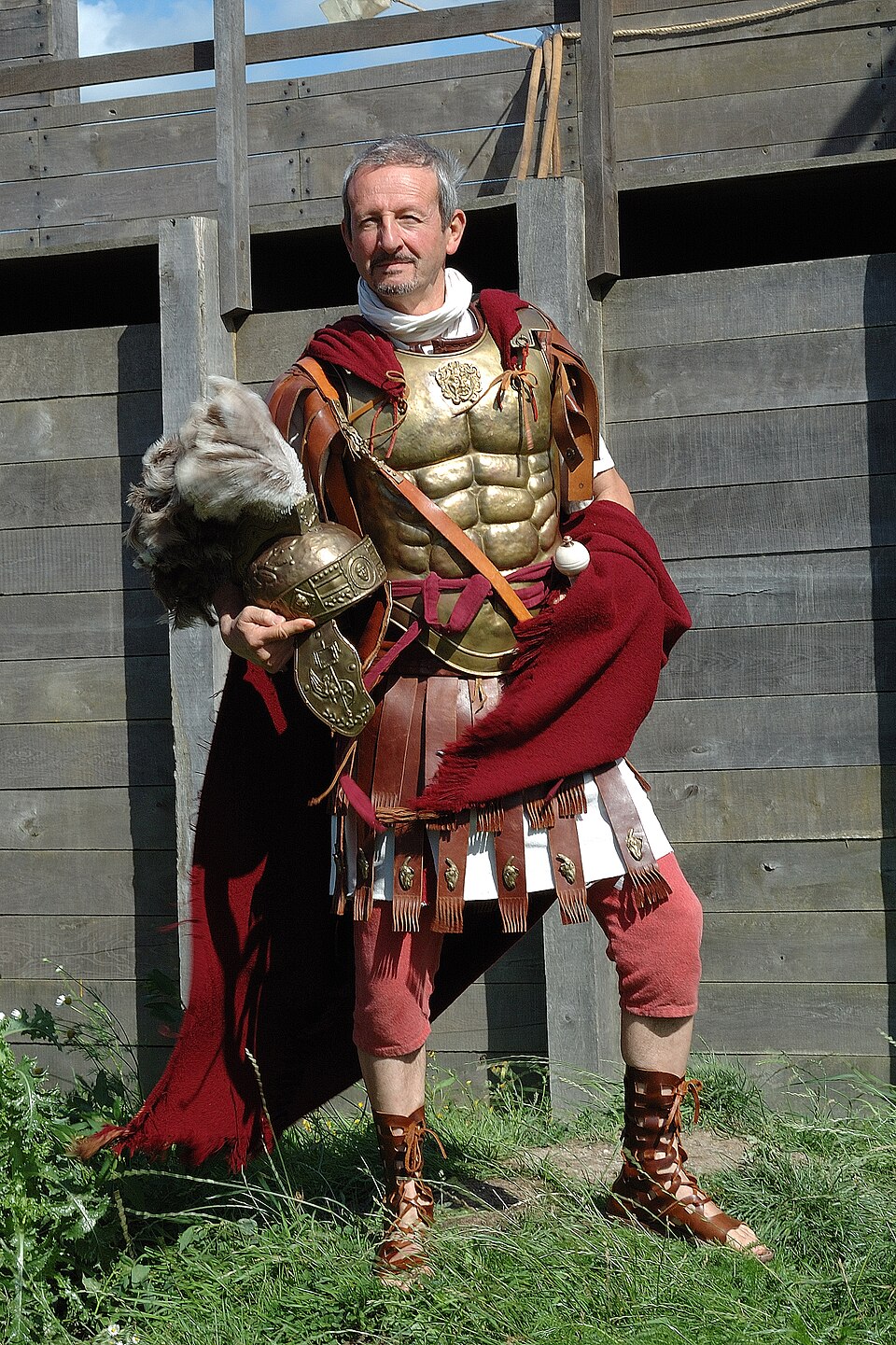
The tribunus militum, or military tribune, was a senior officer whose responsibilities varied with the period and the specific appointment.
During the Republic, military tribunes served in different command and administrative capacities. In the early Empire, a legion normally had six military tribunes, including one senior tribune of senatorial standing and five generally associated with the equestrian order.
For members of Rome’s political elite, military service could form part of a broader career. A young aristocrat might gain administrative experience and military exposure before pursuing higher public office.
This created a potential tension between social status and professional experience. A tribune could possess the advantages of education, connections, and political influence without having accumulated the decades of practical knowledge held by a veteran centurion.
Nevertheless, it would be inaccurate to dismiss tribunes as universally inexperienced or incompetent. Some developed considerable military ability, and their responsibilities depended on their individual experience and assignments.
Effective command required cooperation between officers with different strengths. Senior officers needed to understand the broader objectives of a campaign, while experienced centurions understood the capabilities of their men and the practical difficulties of implementing orders.
A successful military organization needed both.
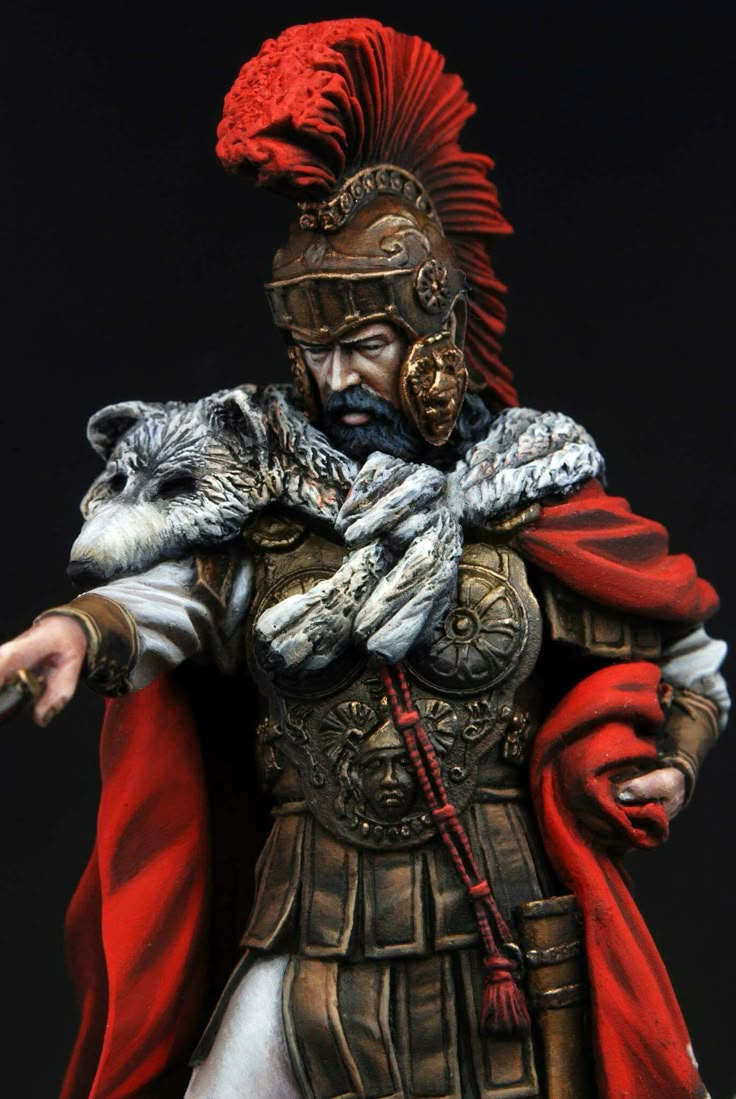
9. The Legatus Legionis: Command at the Top of the Legion
Why the Roman Military Hierarchy Worked
The Roman legion’s success rested on a combination of organization, professional experience, discipline, engineering, logistics, and leadership. Its hierarchy linked ordinary soldiers to increasingly specialized and authoritative positions, allowing a large force to operate without requiring senior commanders to supervise every task directly.
The tiro learned the foundations of military life. The legionary performed the demanding work of campaigning and combat. The immunis brought technical expertise to the army’s essential functions, while the principales helped maintain order and communication. Centurions provided experienced leadership at the unit level, the primus pilus represented the pinnacle of the centurionate, and the camp prefect ensured that the legion’s practical infrastructure remained functional. Military tribunes and the legate connected this professional organization to the Roman system of command.
This arrangement was not perfectly meritocratic. Social class and political influence shaped access to senior positions, while harsh discipline, dangerous campaigns, and unequal rewards imposed substantial costs on ordinary soldiers. Military advancement could transform a man’s prospects, but it remained uncertain and often dangerous.
Nor was the Roman army invincible. It suffered catastrophic defeats, experienced mutinies, and depended on the judgment of commanders whose decisions could be flawed. Its enduring achievement was not an absence of weakness but an ability to organize people, equipment, expertise, and authority on a scale that many opponents struggled to match.
The story of the Roman legion is therefore more than a catalogue of ranks. It is a study of how a complex military institution converted individual effort into collective power—and how that power depended on the soldiers, specialists, and commanders who sustained it.
