
Interest in Ancient Rome remains strong, as shown by recurring Google Trends spikes around the Roman Empire and high visitor numbers at the British Museum, including Roman-themed exhibitions. So, if you search for books about the Roman Empire, you quickly notice how huge the category is, and how difficult it can feel to choose a starting point that actually matches your reading habits and attention span.
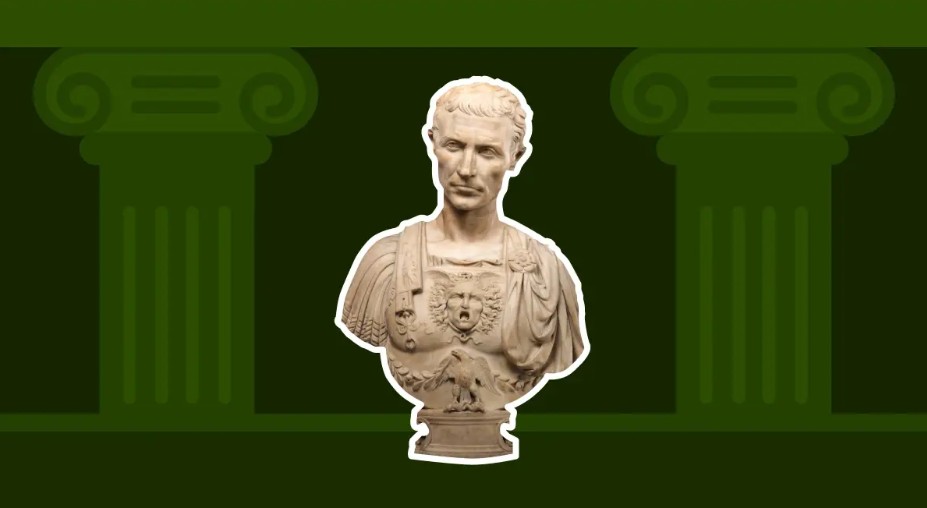
You can find book topics related to Stoicism or titles covering Roman emperors, military expansion, or the empire’s collapse. Many readers seek insights into daily Roman life, Seneca quotes, and facts about Julius Caesar. The list of top books below comes from research into university reading lists and history forums. We looked through communities, publisher recommendations, and historian interviews to find accessible titles. You can also use a history app to help track the timelines or explore historical summaries when you have a busy schedule!
1. ‘Meditations’ by Marcus Aurelius: Read Stoic Notes During Short Breaks
Marcus Aurelius ruled Rome from 161 to 180 CE and wrote his private reflections during military campaigns. This is one of the best books on Stoicism because it shows how he applied philosophy while facing leadership and wartime pressures.
A few pages or a short summary about Marcus Aurelius already gives enough context to follow his reflections written during military campaigns and periods of political tension across the Roman Empire:
- Historical context notes explain Roman political references
- Stoic ideas appear through everyday decisions and leadership pressure
- Modern editions use clearer vocabulary and smoother sentence structure
Use Short Stoicism Summaries to Understand Marcus Aurelius More Easily
Readers who search for Roman philosophy often find useful microlearning applications that use bite-sized learning formats for complex ideas. For example, from the Deepstash review, we learned that you can complete one history block in under 5 minutes. You can start mixing long-form reading with shorter learning formats that work for complex topics, especially when attention spans and reading time feel limited after work.
You can move between long-form reading and smaller learning sessions without losing context. That approach works well because many ideas revolve around routine, self-control, public criticism, and decision-making under stress.
2. ‘SPQR’ by Mary Beard: Follow Rome Through Daily Life
Mary Beard, a Professor of Classics at Cambridge University, wrote ‘SPQR’ to cover the Roman Republic and the early Empire through a wider social lens. The book spends time with senators and emperors, while also staying focused on ordinary Romans, public life, citizenship, debt, speeches, housing, and daily routines across the empire.
Readers who enjoy accessible long-form history writing often also move toward the ‘SPQR’ audio nonfiction. The audio version keeps historical storytelling tied to real political and social events. That shift helps ‘SPQR’ feel more grounded, since Roman history often devolves into endless military campaigns after a few chapters.
You can also read short-form chapters that work well for quick reading blocks. Here are a few details that make the book easier to follow over time:
- Chapters that move in chronological order
- Read about Roman citizens who appear alongside emperors
- Check footnotes explain Latin references clearly
- Maps help track expansion routes
3. ‘Rubicon’ by Tom Holland: Track the Fall of the Roman Republic
Tom Holland describes the collapse of the Roman Republic and the rise of Julius Caesar. The text provides specific facts about Julius Caesar’s military tactics and political gambles. It clarifies the Senate conflicts and civil wars that ended the Republic.
You can follow major political events chapter by chapter. The narrative pacing helps you remember the chronology of the Roman alliances and the influence Caesar gained:
- Timeline-driven chapters
- Focus on political decisions
- Senate dynamics explained clearly
- Battle context stays concise
4. ‘The Storm Before the Storm’ by Mike Duncan: Understand Rome Before Caesar
Mike Duncan, creator of the History of Rome podcast, covers the social unrest and reforms that preceded Julius Caesar’s rise to power. Many readers jump directly into the Empire and miss the decades that slowly weakened the Republic, though Duncan spends time explaining how land disputes, political violence, military loyalty, and reform failures pushed Rome toward collapse.
The chronology remains consistent throughout the book, helping readers follow the growing tension between political families and Roman institutions without constantly having to refer back to earlier chapters. Duncan also explains major Roman systems early, so later conflicts feel easier to understand, especially once military campaigns and alliances begin overlapping across different regions.
5. ‘Letters from a Stoic’ by Seneca: ‘ Read Roman Philosophy in Small Sections
Seneca was a tutor and advisor to Emperor Nero. His letters discuss power, grief, and routine. You can find many Seneca quotes today that originated from these personal correspondences and read about:
- Roman political references that appear often
- Notes that explain historical names
One detail that makes the collection especially interesting is that Seneca lived close to the center of Roman political power while writing about emotional restraint and self-control. Seneca eventually fell out of favor with Nero and was ordered to take his own life in 65 CE after accusations connected to a political conspiracy.
That historical context changes the reading experience quite a bit because many reflections on fear, anger, reputation, and mortality were written by someone living under constant political danger inside the Roman court.
6. ‘Dynasty’ by Tom Holland: Follow the First Roman Emperors
This book covers the era from Augustus through Nero. It focuses on imperial succession and how the first family of Rome kept power. Early emperors often blur together in general history books, but Holland treats each reign as a distinct story.
Character continuity also helps readers remember how the relationships among Augustus, Tiberius, Caligula, Claudius, and Nero shaped later crises within the Empire. Holland keeps political transitions chronological, explains Roman family dynamics in straightforward language, and includes maps and references that help track military campaigns and territorial expansion.
One detail readers often find surprising is how unstable imperial succession remained even after Augustus established centralized rule. Several emperors in the Julio-Claudian dynasty were adopted heirs rather than direct biological successors, and political survival inside the imperial family depended heavily on marriage alliances, military loyalty, and public image management.
Start With Short Roman History Summaries Before Moving Into Full-Length Books
Various books about the Roman Empire work for different reading habits, attention spans, and schedules. Some readers want a full chronological understanding of the Republic and the rise of the Empire. Others spend more time with Stoic philosophy, political conflict, or biographies of emperors like Marcus Aurelius and Julius Caesar.
The reading experience also changes depending on how much uninterrupted time you actually have during the week. Long history books can feel difficult after work or during busy periods, especially when chapters are dense, and timelines move quickly. Shorter reading formats, summaries, audiobooks, and smaller reading sessions can help you stay connected with history topics without losing momentum after a few chapters.
You can begin with one Roman period, one emperor, or one philosophical idea that already interests you. The broader timeline usually starts making more sense once the major events and historical figures begin connecting naturally from one book to the next!
