
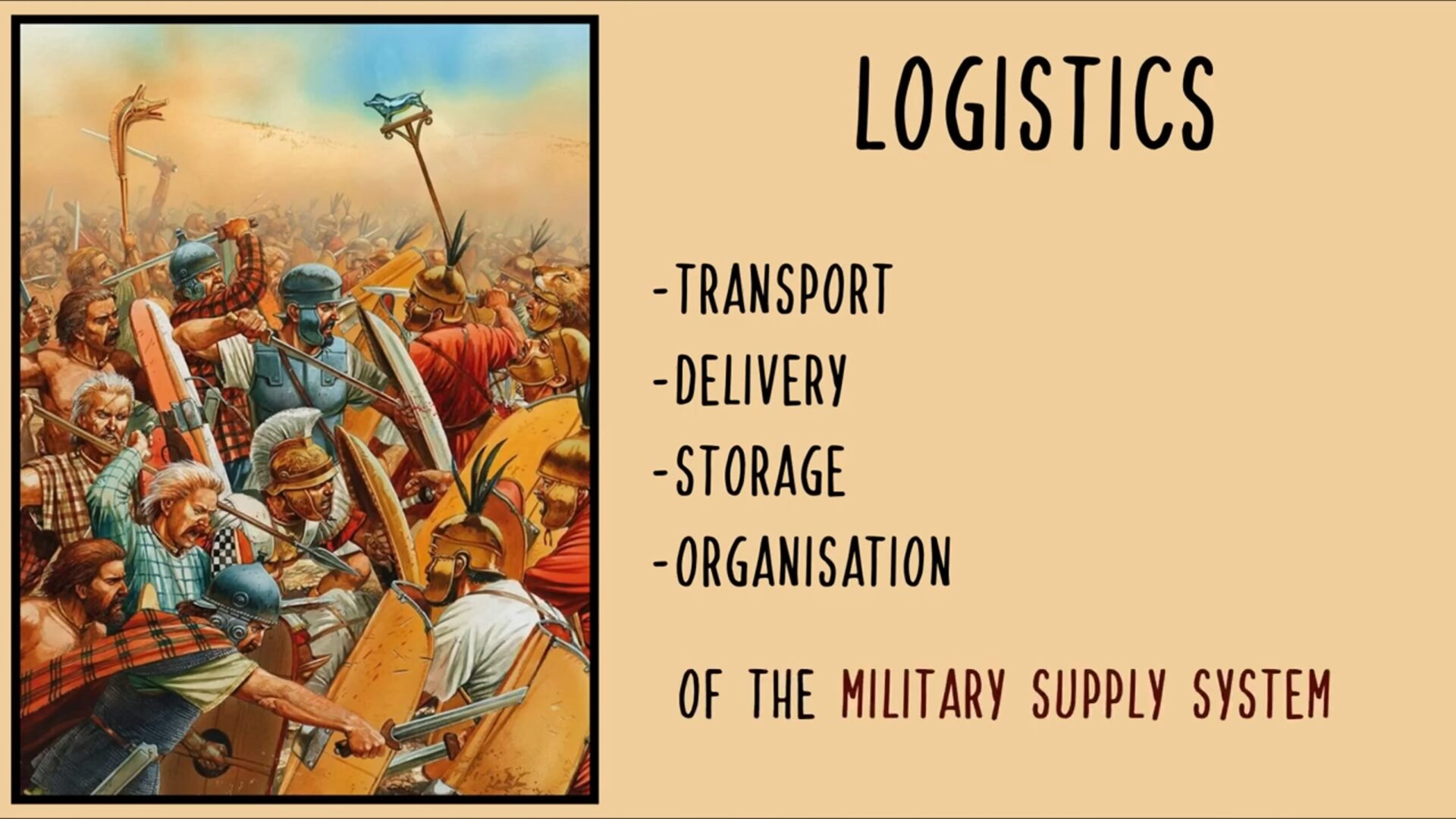
Roman military success relied on more than strategy and discipline. It rested on logistics—a complex system of planning, supply, and coordination that kept entire armies moving across vast distances. Every campaign began with careful calculation. Leaders in Rome assessed available resources, issued orders to provinces, and ensured each region contributed equally to the empire’s military efforts. From storing grain to building ships, every detail was managed to prevent shortages and delays.
Each legion traveled with thousands of soldiers, animals, and workers, consuming massive quantities of food and materials. To sustain them, the Romans built dependable transport routes, organized storage centers, and maintained a steady flow of communication between commanders and suppliers. Their ability to move, feed, and equip armies over long campaigns became one of the greatest strengths of the empire.
Key Takeaways
- Careful planning and supply management supported every Roman campaign.
- Efficient transport and communication kept armies mobile and well-provisioned.
- Strong coordination between provinces maintained steady military operations.
Strategic Importance of Military Logistics
Core Methods of Roman Warfare
Roman military success relied on careful planning and supply management before any campaign began. The Senate or Emperor ordered preparations months in advance, calculating the food, tools, and materials each legion would need. A force of four legions—about 20,000 soldiers, with the same number of auxiliaries and twice as many camp followers—could number close to 80,000 people in motion.
Officials distributed supply demands across provinces according to their resources and tax income. For example:
| Province | Key Contribution | Purpose |
|---|---|---|
| Hispania, Sicily, Sardinia | Woolen clothing | Warmth and protection |
| Anatolia | Grain | Main food source |
| Coastal regions | Wine, vinegar, salt | Preservation and sanitation |
Failure to meet supply quotas invited strict penalties, while loyal provinces gained political favor. Private merchants and contractors also played an active role, taking state contracts to deliver goods or manage transport. These arrangements often spread the burden and strengthened Rome’s alliances.
Role of Supply in Military Success
Logistics determined whether an army could move, fight, or even survive. A stable supply of wheat, wine, and salt formed the daily diet of every Roman soldier. Each legion also required large amounts of animal fodder, tools, and artillery materials. To safeguard these resources, Rome stored provisions in secure cities rather than open countryside. This kept food safe from raids and ensured cities could withstand sieges.
The Romans developed fast transport routes by land and sea to maintain the flow of supplies. Ships carried heavy cargo across the Mediterranean, while the Roman road network sped the movement of carts and troops. Communication lines through the Cursus Publicus allowed orders, reports, and supply requests to travel quickly between field armies and central command.
This system turned logistics into a strategic weapon. Well-fed and well-organized armies reached the battlefield sooner, maintained longer campaigns, and could weaken enemies by cutting off their provisions. Logistics was not only support—it was a tool of strategy that often decided victory before a battle even began.
Centralized Planning and Resource Allocation
Authority of the Senate and Emperor
Military campaigns began only after the Senate or the Emperor decided that war was necessary. Both examined available manpower, finances, and supplies before giving formal approval. Once agreed, official orders reached the provinces and allies to start collecting resources months in advance.
| Decision Stage | Responsible Body | Focus Area |
|---|---|---|
| Initial Proposal | Senate or Emperor | Assess motives and resources |
| Approval | Emperor’s Office | Issue formal campaign directive |
| Implementation | Provincial Governors | Organize local collection of goods |
Calculating Campaign Requirements
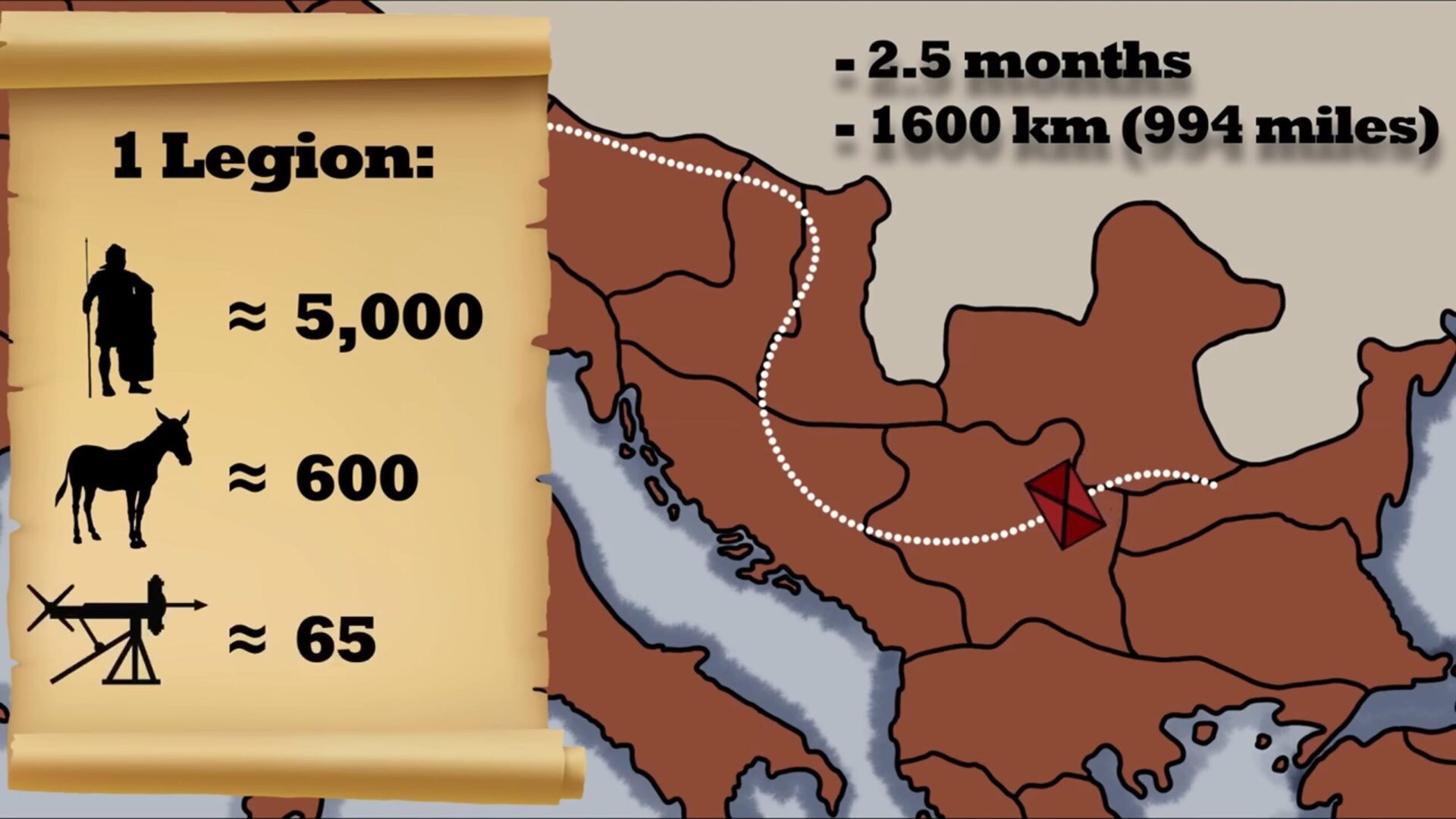
Planners estimated food, horses, tools, and transportation for each campaign with precision. For example, an army of four legions—about 20,000 soldiers plus auxiliaries and followers—needed over 10,000 animals and hundreds of artillery pieces. Officials used detailed lists to calculate daily needs:
- Grain and Bread – about two-thirds of a soldier’s diet
- Wine and Vinegar – essential for hydration and sanitation
- Salt – preserved rations and maintained health
- Animal Fodder – provided in hard, dry, and pasture forms
Even small errors in estimation risked supply delays and weakened morale.
Provincial Orders and Distribution of Supplies
After planning, the Senate released mandatory orders dividing supply duties among provinces. Each province contributed based on population, tax income, and natural output. For instance, Sicily and Sardinia provided woolen clothing, while Anatolia supplied grain.
If a region lacked resources, it had to buy or trade for them. The state also contracted private suppliers and merchants who transported items across the empire by land or sea:
| Transport Method | Average Capacity | Speed | Main Use |
|---|---|---|---|
| Ship | 150 tons | 2–5 knots | Grain, heavy goods |
| Wagon | Limited by terrain | Slower | Weapons, tools |
Supplies were stored in fortified cities to protect them from raids. Roads and river routes allowed armies to move and resupply efficiently. The Cursus Publicus, Rome’s courier network, kept direct communication between the army, provincial officials, and the capital, ensuring smooth coordination throughout the campaign.
Essential Provisions and Supply Quantities
Primary Food and Beverage Needs
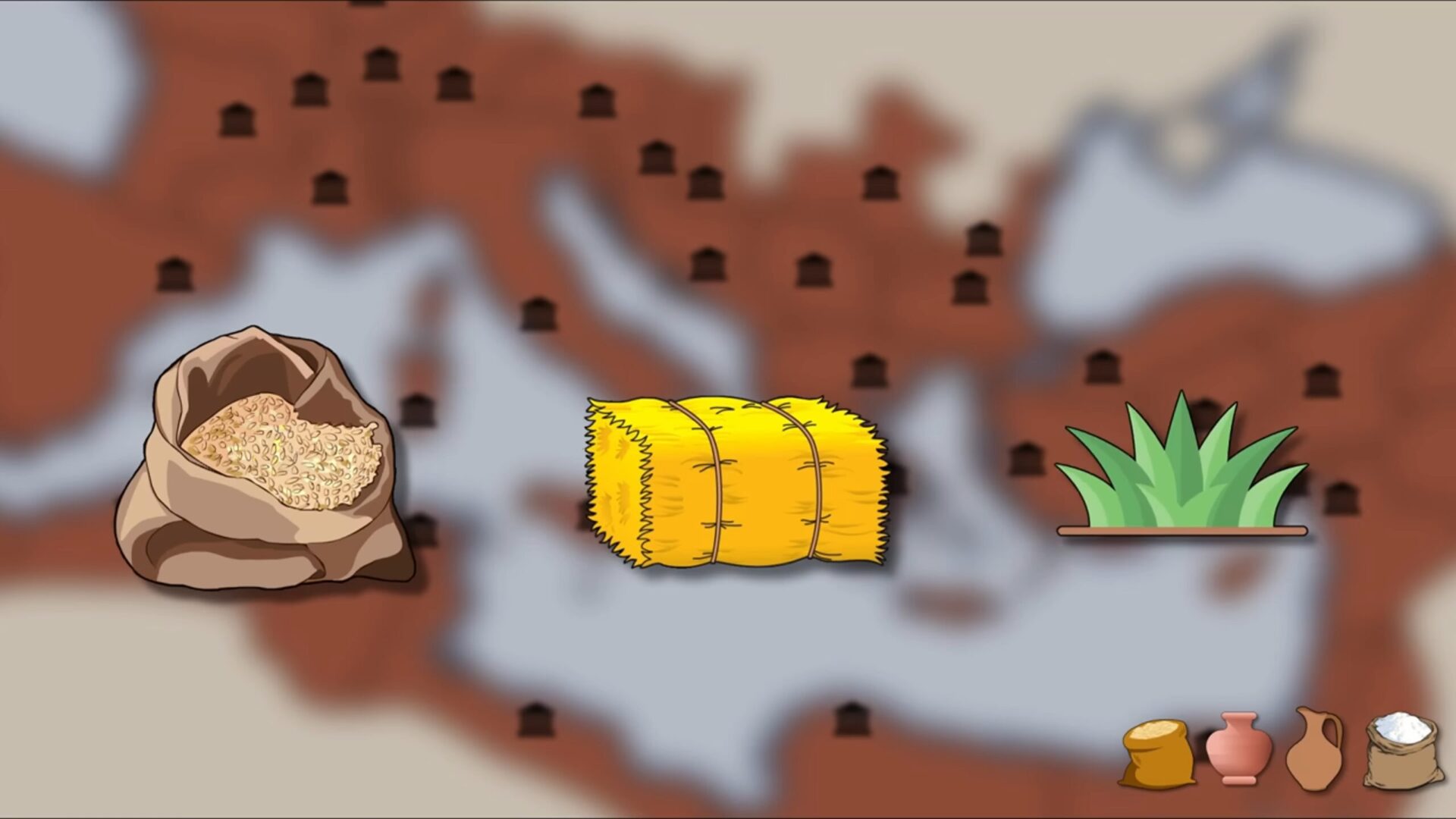
Roman armies required large stocks of essential goods to sustain long campaigns. Wheat formed the main part of a soldier’s diet, providing most of the daily energy needed for marching and combat. Each soldier consumed about 3,000 calories per day, with roughly two-thirds coming from bread made of wheat.
Other core provisions included:
| Item | Purpose | Notes |
|---|---|---|
| Wine | Hydration and water purification | Often diluted with water or seawater |
| Vinegar | Preserving and flavoring food | Also helped disinfect water |
| Salt | Food preservation | Prevented spoilage during long marches |
Soldiers often bought extra items like fruits, cheese, and meat from camp followers or local traders to vary their diet.
Feed and Animal Care
The army depended on large numbers of draft animals to carry supplies, artillery, and tools. Each legion used about 600 animals, mostly mules or horses. For a force of four legions, this reached around 10,000 animals.
Their feed came in three main forms:
- Hard fodder – barley or oats
- Dry fodder – hay or straw
- Pasture – grass and local crops
While pasture was often found along the route, hard and dry fodder had to be collected ahead of time to maintain the animals’ strength.
Supply Needs by Force Scale
A campaign involving four legions and supporting units could total nearly 80,000 people, including 20,000 legionaries, the same number of auxiliaries, and twice as many non-combatants.
The Senate or Emperor ordered provinces and allies to provide resources based on their production capacity and tax income. For example:
- Hispania, Sicily, Sardinia – woolen clothing and textiles
- Anatolia – surplus grain exports
Ships and roads enabled steady delivery of provisions. A single Mediterranean cargo ship, carrying around 150 tons, could supply one legion with grain for several weeks. Provinces stored supplies in fortified cities for security and easier distribution once the army arrived.
Provincial and Allied Contributions
Evaluating Local Capacities
Before any campaign began, Roman leaders examined what each province could provide. They considered population size, tax income, and natural output to judge how much each could contribute. Provinces rich in grain, like Anatolia, were ordered to harvest large amounts, while Hispania, Sicily, and Sardinia provided woven clothing for soldiers.
A typical four-legion force needed vast amounts of food, animals, and transport, heavily straining local resources. To balance the load, the Senate divided supply duties among several provinces. This coordination allowed the army to move quickly without exhausting one region’s capacity.
| Resource | Common Source | Use |
|---|---|---|
| Wheat | Anatolia | Bread, main food source |
| Wine | Mediterranean provinces | Disinfecting water, daily ration |
| Salt & Vinegar | Various provinces | Food preservation |
| Wool & Cloth | Hispania, Sicily, Sardinia | Uniforms for troops |
Rivalry and Incentives Between Allies
The supply process encouraged cooperation and rivalry among Rome’s partners. Provinces and allied kingdoms often sought to earn favor by delivering their quotas early or sending extra goods. Such enthusiasm led to competition, especially among powerful allies like Carthage and Numidia, which vied to impress Rome with their support.
Provinces that met demands on time might receive political rewards or reduced taxes, while others earned prestige within the empire. This system tied loyalty to practical outcomes and reduced the need for coercion.
Examples of incentives:
- Trade privileges for compliant provinces
- Favorable rulings in disputes
- Opportunities for local elites to gain influence
Oversight and Consequences
Strict oversight ensured that all orders were followed. Provincial administrators were required to store goods safely within city walls. This not only simplified distribution to passing armies but also protected stockpiles from enemy raids.
If any province failed to comply, appointed officers enforced orders—sometimes by force. When production shortfalls occurred, provinces had to buy or trade for missing items to meet quotas. Independent merchants and contractors often stepped in, supplying equipment and transport for profit.
Failure to deliver resources risked delays in the campaign, which carried harsh administrative or financial penalties. Such consistent discipline kept the Roman supply chain reliable, even across great distances.
Storage and Safeguarding of Provisions
Centralized Supply Deposits
Roman authorities stored collected provisions inside fortified cities across each province. This allowed provincial officials to present the supplies to traveling legions in an organized manner. It also ensured that large stockpiles of grain, vinegar, wine, salt, and fodder remained secure and easy to distribute.
Main benefits of urban storage:
| Purpose | Effect |
|---|---|
| Simplified distribution | Supplies reached armies more efficiently |
| Central management | Provincial administrators could track inventory |
| Reduced waste | Spoilage and theft were minimized within city walls |
Defense from Hostile Raids
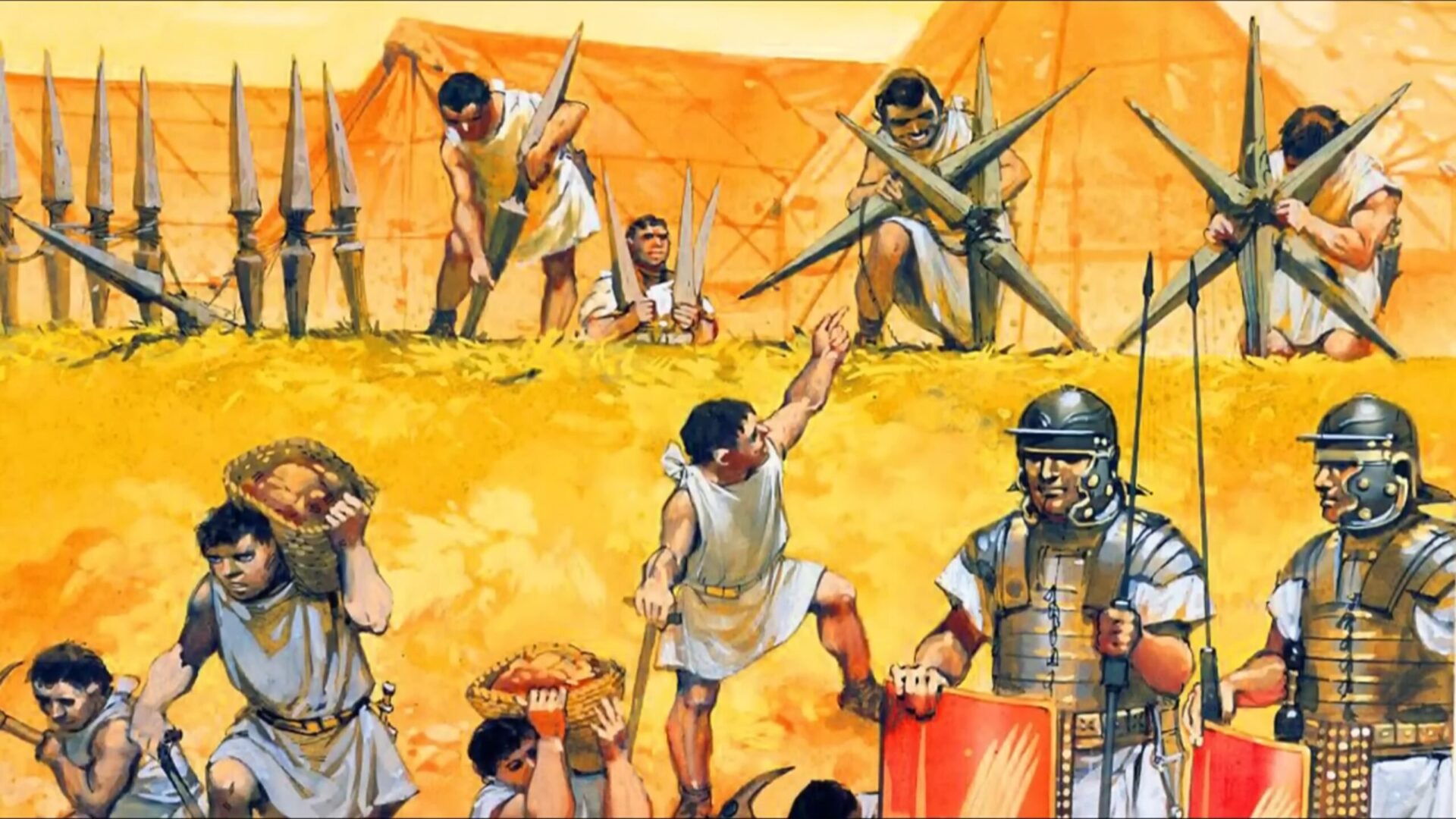
By removing provisions from farms and placing them behind city defenses, Rome denied attackers easy access to food and livestock. When enemy forces raided border regions, they often found little to seize or destroy. This weakened their efforts and protected the local population from heavier losses.
Protective measures included:
- Moving cattle and stores to urban depots
- Guarding supply warehouses with city garrisons
- Coordinating withdrawal of goods before enemy advances
Stockpiling for Sieges
If enemy forces besieged a major Roman center, the stored provisions allowed defenders to hold out for extended periods. Well-supplied garrisons could survive until reinforcements arrived. Supplies such as grain, salt, and preserved foods were chosen for their long shelf life and ease of storage.
During prolonged threats, city officials monitored rations and maintained order among civilians and troops. This planning made it difficult for opposing armies to win through starvation alone.
Transportation Networks and Methods
Sea Transport and Supply Routes
Roman commanders often relied on ships to move large amounts of goods across the Mediterranean. A single cargo vessel could carry about 150 tons of material, enough to sustain a legion for several weeks. Ships traveled at 2–5 knots, depending on the wind.
To manage this flow, the state often contracted private shipowners to deliver food, tools, and equipment to military outposts. Typical rewards included payments or tax reductions. Roman officials kept detailed lists of available ships, their condition, and their repair needs. Because of seasonal winds, sea transport worked best during warm months, and armies frequently moved near rivers and coasts to keep supply routes open.
| Transport Type | Capacity | Speed | Notes |
|---|---|---|---|
| Merchant Ship | 150 tons | 2–5 knots | Seasonal use, cost-effective |
| River Barge | Moderate | 1–3 knots | Used to supply inland armies |
| Coastal Vessel | Smaller | Variable | Supported short-range supplies |
Overland Movement and Road Systems
When sea travel was not an option, Roman armies used land networks to move resources. The Roman road system allowed wagons and carts to transport supplies more quickly and reduced delays caused by poor terrain. Without these engineered roads, heavy movement of goods would have turned routes into deep ruts and mud paths.
Benefits of Roman Roads
- Faster movement of food, weapons, and tools
- Better communication between provinces and armies
- Greater control over trade and taxation routes
The Cursus Publicus, a state-run courier service, kept messages flowing between the military and the government. Relay stations provided fresh animals and equipment at set intervals, ensuring orders and supply requests moved without interruption.
Private Suppliers and Maritime Contractors
Independent contractors played a large part in Roman logistics. They supplied clothing, transport, and equipment for money and prestige. Some provinces entered open competition to meet supply demands first, seeing it as a chance to gain favor with Roman leadership.
Provincial officials often stored supplies in city warehouses for safety and easier distribution. This protected materials from raids and provided secure stock for armies on the march. Contractors and merchants worked closely with local administrators to keep timely deliveries, since any delay could result in severe penalties.
By sharing responsibility with local powers and private suppliers, Rome built a flexible logistics system that kept its armies mobile and fed across vast distances.
Communication Systems and Coordination
State Postal Routes and Messenger Services
The Roman Empire relied on an organized system known as the Cursus Publicus to move information and orders across long distances. This state-run postal and transport network used relay stations where couriers exchanged tired horses for fresh ones, allowing messages to travel quickly without delay.
These relay points were placed at regular intervals, often stocked with horses, carts, and supplies for official use. Only authorized messengers, government officials, or military couriers could use this service, and misuse of it carried penalties.
| Key Feature | Function |
|---|---|
| Relay Stations | Provided fresh mounts and equipment |
| Official Couriers | Carried military and imperial orders |
| Restricted Access | Limited to state or military use |
| Reliable Speed | Maintained steady information flow |
This carefully maintained network created a dependable line of communication between central authorities and distant provinces, allowing information about campaigns and supplies to circulate efficiently.
Military and Civil Exchange of Dispatches
The Roman command structure depended on frequent written correspondence between military leaders in the field and civilian officials managing logistics. Governors, administrators, and contractors exchanged letters, reports, and requisition lists that detailed troop movements, supply needs, and campaign updates.
Officials coordinated grain collections, transport arrangements, and wage payments through this exchange. Civil authorities took responsibility for securing the materials and moving them toward the armies by land or water routes.
Messages from generals reached the Senate or Emperor through designated officers, and responses returned through the same channels. This continuous two-way communication ensured that armies received supplies on time and that provincial leaders remained accountable for their roles in supporting campaigns.
Army Mobility and Resource Management
Need for Ongoing Movement
Roman armies rarely stayed still. Constant movement reduced the chance of shortages, helped avoid local famines, and prevented enemies from cutting supply routes. Moving also allowed commanders to choose ground that offered better access to food, water, and shelter.
Key logistical reasons for continuous movement included:
- Maintaining supply flow through changing locations.
- Reducing strain on any single province’s resources.
- Preserving discipline and readiness among troops.
Each march relied on clear communication between army leaders and civilian suppliers. Orders, carried through the Cursus Publicus postal system, kept routes coordinated and ensured stores reached the front without delay.
Gathering Timber and Water
Every army required large amounts of wood and water each day. Wood served as fuel for cooking, heating, and building temporary forts or bridges. Water supported soldiers, draft animals, and sanitation needs in camp.
| Resource | Primary Use | Daily Challenge |
|---|---|---|
| Wood | Cooking, building, heating | Quick depletion near camps |
| Water | Drinking, cleaning, animals | Transport and contamination |
To keep supplies steady, legions often sent small teams ahead to locate forests, rivers, and wells. Soldiers collected clean water in barrels, while local allies or camp followers traded goods to fill shortages.
Effects on Nearby Lands
An army of tens of thousands consumed vast quantities of grain, animal fodder, and firewood. Crossing even one province could empty storehouses and fields. Local environments often saw cleared forests, trampled crops, and depleted grazing land.
Provinces under Roman control managed this impact through planned storage and shared procurement, spreading the load across regions. Urban centers kept protected stockpiles behind walls, limiting waste and securing supplies from raids. These practices allowed Roman logistics to function efficiently without completely exhausting local resources.
Securing and Defending Supply Lines
Forts and Protective Outposts
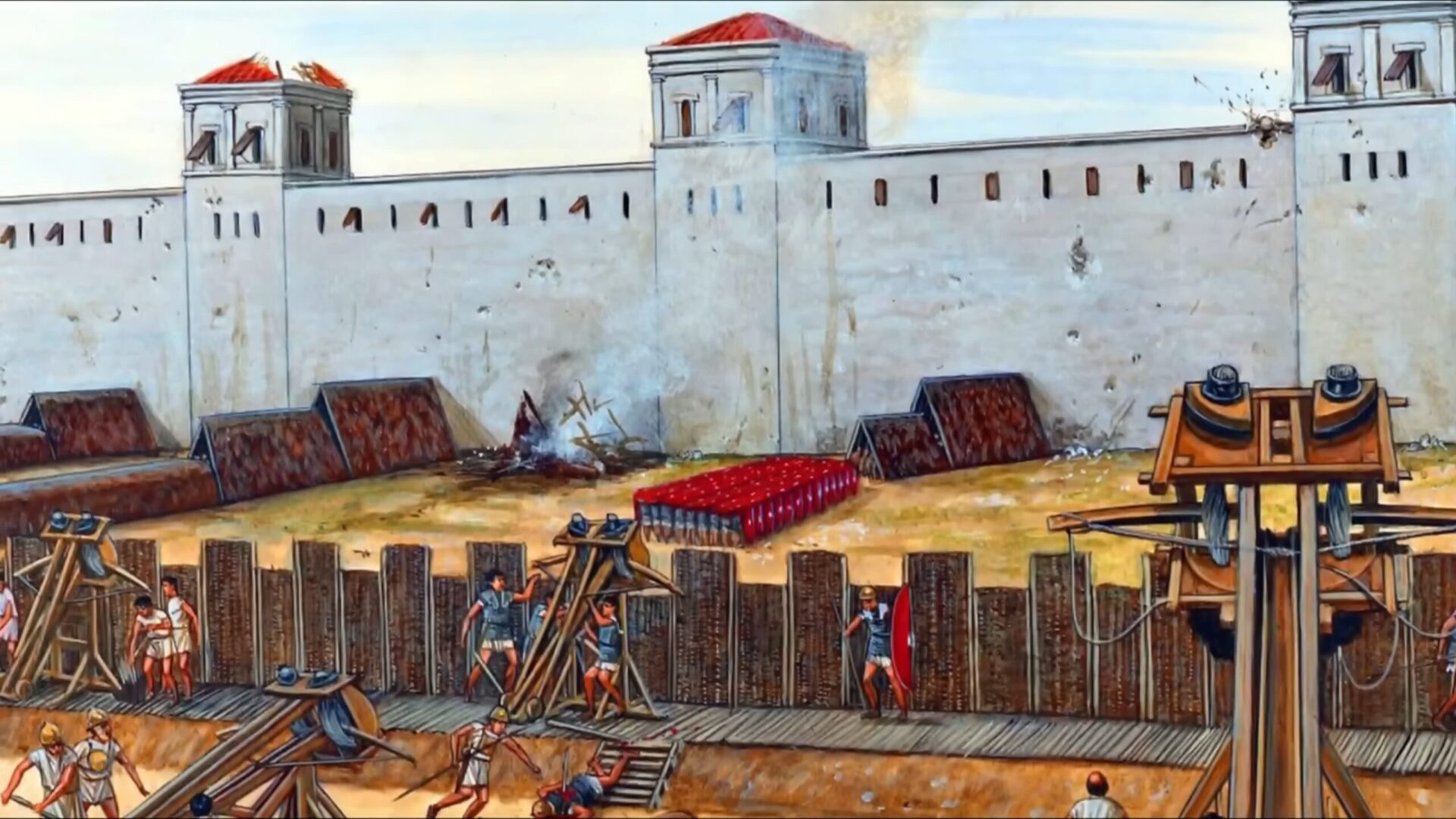
Romans built fortified camps and permanent garrisons along major routes to guard the movement of goods and forces. These posts acted as watchpoints to detect raids early and protect stored provisions. Supplies were often kept inside city walls or strongholds, ensuring safety during enemy attacks or sieges.
| Purpose | Location | Benefit |
|---|---|---|
| Guard grain and equipment | Border towns and key roads | Prevent theft or loss |
| Signal nearby legions | High ground or crossroads | Enable fast military response |
| Deter enemy raids | River crossings or ports | Maintain steady flow of provisions |
Duties of Older or Weaker Soldiers
Roman commanders assigned less fit or older soldiers to manage supply stations and transport operations. This allowed the strongest units to stay on the front line. Tasks often included:
- Guarding depots and storehouses
- Overseeing shipments from ports and provinces
- Recording and distributing rations to active legions
This approach balanced the workload and kept every soldier useful, even if not all could fight in direct combat.
Avoiding Rebellion Through Work Distribution
By rotating duties among ranks, commanders reduced boredom and dissatisfaction. Assigning soldiers to logistics roles, such as inventory checks or road maintenance, gave them visible purpose and prevented restlessness within camps.
To further discourage disobedience, officers tied rewards and recognition to efficiency and honesty in supply management. Soldiers who handled provisions well often earned bonuses or promotions, keeping morale steady and loyalty firm.
Self-Sufficiency and Internal Organization
Gathering and Using Local Resources
Roman legions often lived off the land while advancing through foreign territories. They gathered food, fodder, and other materials along their route to reduce dependence on long supply lines. Local sources provided grain, wine, vinegar, and salt, which formed the core of the soldiers’ diet.
| Essential Goods | Main Purpose | Typical Source |
|---|---|---|
| Wheat | Bread and rations | Provinces like Anatolia |
| Wine | Disinfectant and drink | Local vineyards |
| Vinegar | Food preservation | Stored supplies |
| Salt | Food storage and seasoning | Coastal regions |
Provinces also contributed resources based on their natural production. For example, Sicily and Sardinia made wool clothing, while Anatolia supplied large amounts of grain.
Defined Tasks Within the Legion
Each legion maintained strict internal structure to keep operations steady. Soldiers had assigned responsibilities such as building, foraging, and maintaining camp defenses. Officers supervised these actions to ensure that both men and animals received enough provisions during long marches.
- Legionaries handled manual work, including fort construction.
- Auxiliaries and non-combatants supported transport and repairs.
- Commanders checked inventories and reported shortages to higher officials.
This division of labor kept the army functional even far from its home bases.
Care and Management of Tools and Provisions
The legions treated equipment maintenance as part of daily discipline. Weapons, armor, and transport gear required regular inspection and repair. Supply wagons carried spare tools, fabrics, and rope to replace worn items.
The army also monitored its storage closely. Supplies collected from provinces were kept in secured city depots to prevent enemy raids. Shipments followed both land and river routes, often planned alongside the vast Roman road system. These measures ensured steady movement of essential goods and reduced risk during extended campaigns.
Food Distribution and Hierarchy
Supplies by Status and Discipline
Food portions in the Roman army depended on rank and conduct. Officers received larger and higher-quality rations compared to regular soldiers because their duties demanded greater stamina and authority. Legionaries often shared basic rations such as wheat, salt, and vinegar, which were provided in strict amounts.
Punishment for poor behavior could result in reduced portions. Soldiers who disobeyed orders or showed negligence risked receiving less grain or wine. This method kept discipline firm and reminded everyone that order within the ranks maintained the strength of the whole army.
| Rank/Status | Type of Food | Portion Level | Notes |
|---|---|---|---|
| Officer | Wheat, wine, preserved meat | High | Supervised rations and soldiers |
| Legionary | Wheat, vinegar, salt | Standard | Formed the main workforce |
| Punished soldier | Basic grain only | Reduced | Loss of privileges served as correction |
Maintaining Balance During Scarcity
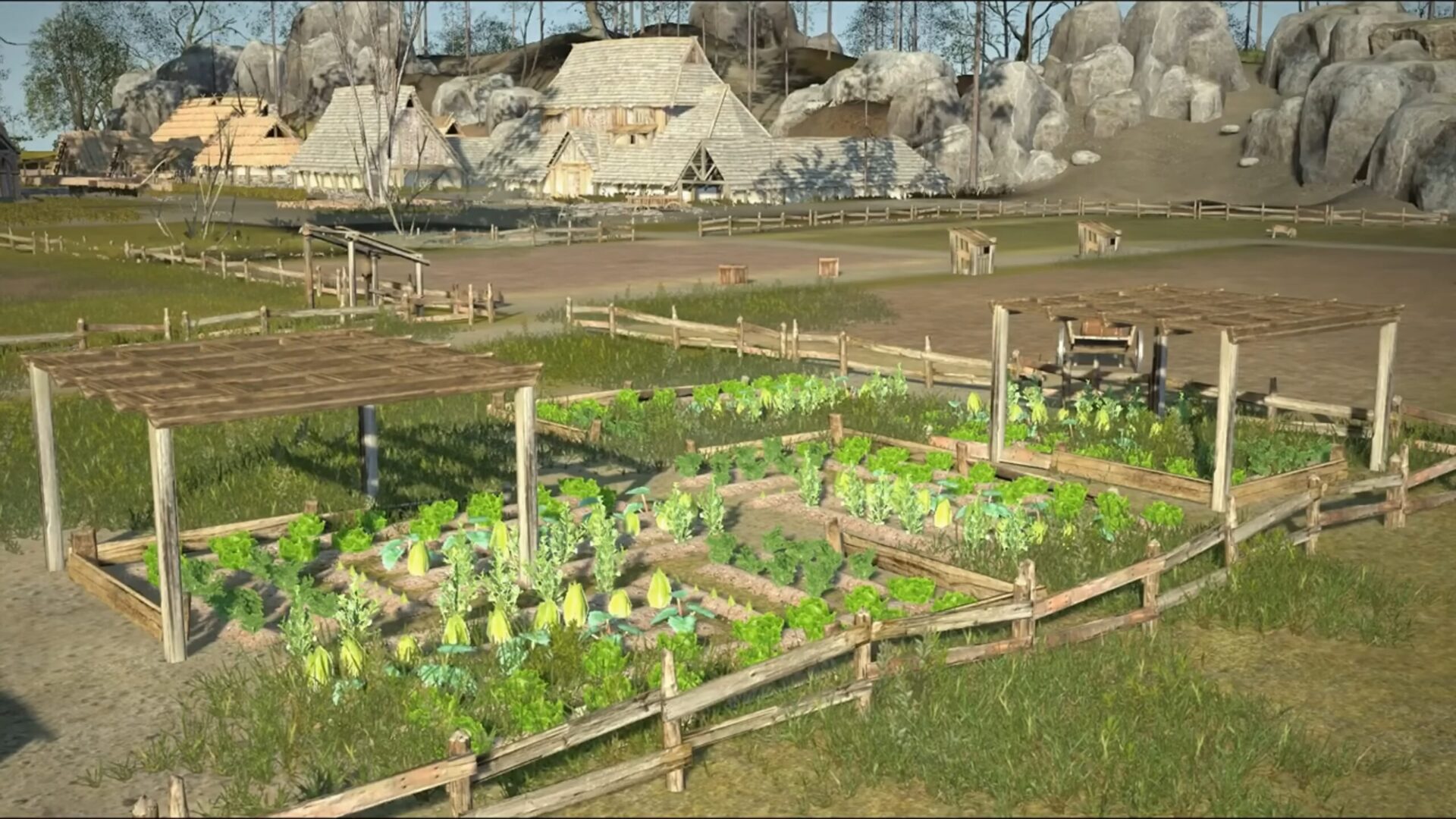
During shortages, commanders took measures to keep food allocation fair and to prevent unrest. Supplies were stored in secure depots managed by designated officials. They recorded quantities and ensured equal distribution by calculating portions per person or unit.
The army relied on transparency and strict records so that no group could claim special treatment. When reserves ran low, the system prioritized the most essential workers and animals first, ensuring mobility and readiness were not compromised.
Common steps included:
- Tracking stockpiles through written inventories
- Rotating supplies to prevent waste
- Issuing smaller shared portions during crises
- Using clear rules for who received food first
Through this structure, fairness remained a practical tool for both survival and discipline.
Conclusion
Roman military success relied on planning, coordination, and control of resources. Every campaign began with exact calculations of what the legions would need and where they would get it. Supplies came from multiple provinces and allies, each chosen for what they produced best.
Key supply categories:
| Type | Examples | Purpose |
|---|---|---|
| Food | Wheat, salt, vinegar, wine | Sustained soldiers and preserved rations |
| Fodder | Barley, hay, pasture grass | Fed horses and transport animals |
| Equipment | Weapons, clothing, artillery | Maintained readiness and defense |
Ships and roads formed a connected network that moved goods quickly across land and water. Each route and depot supported the next, keeping the army moving at pace. The Cursus Publicus, Rome’s courier system, ensured that information and supplies reached their destinations without delay.
By combining state organization, private contractors, and local allies, the Romans created a self-sustaining supply system. Their logistics ensured that armies stayed ready, cities stayed protected, and campaigns continued without interruption.
